
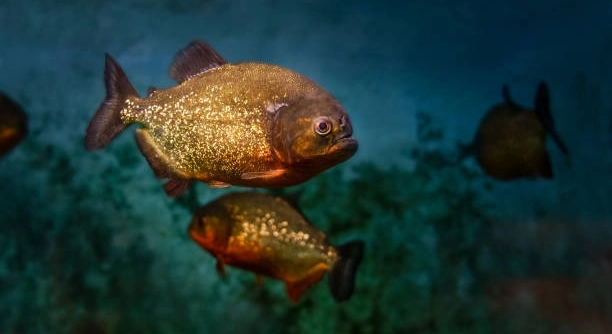
Water changes are a common part of aquarium care. Many fishkeepers try to keep their tanks clean by changing water often. However, changing water too frequently can sometimes do more harm than good.
Excessive water changes can disrupt the delicate balance of beneficial bacteria and water chemistry in an aquarium. Overdoing water replacement may stress fish and lead to unstable water parameters, negatively affecting the health of the aquatic environment.
Knowing when to change water and how often is important for maintaining a healthy tank. The signs of too frequent water changes are subtle but important to recognize for your fish’s wellbeing.
Frequent pH Fluctuations
When you change your aquarium water too often, the pH levels can swing unexpectedly. Fresh water and tank water often have different pH values, so rapid changes can make the environment unstable. Fish rely on steady pH to stay healthy, and frequent shifts can cause stress or illness. Beneficial bacteria also struggle to adjust, which can harm the biological balance in the tank. These fluctuations may not always be obvious but can lead to long-term problems. Monitoring pH regularly helps identify if water changes are too frequent or inconsistent.
Sudden pH swings can lead to fish gasping, hiding, or showing unusual behavior.
Maintaining a stable pH is key to a healthy tank environment. Instead of changing large amounts of water often, it’s better to do smaller, less frequent changes. This approach supports bacteria growth and keeps the water chemistry consistent. If your pH changes too much after each water change, it’s a sign to slow down. Consistent water testing and gradual adjustments help avoid unnecessary stress on your aquatic pets.
Excessive Stress on Fish
Stress in fish is not always easy to spot, but frequent water changes can be a hidden cause. Fish get used to their tank conditions, and when water is replaced often, it can feel like a constant disruption. Stress weakens their immune systems, making them prone to diseases. Even if water quality improves, the sudden shifts can leave fish vulnerable. Keeping a steady environment is important for their overall health and behavior.
Too much disturbance can cause fish to lose appetite or hide more than usual.
Stress results from more than just water quality; frequent water changes change temperature, chemical levels, and oxygen content quickly. Fish need time to adjust to their surroundings, and if you reset their environment too often, they can’t settle. This can lead to rapid breathing, lethargy, and increased aggression. To reduce stress, keep water changes consistent and moderate. Test water parameters before and after changes to ensure stability. Avoid removing too much water at once, and consider partial changes every week or two instead of daily or every other day. This creates a calm habitat where fish can thrive without shock.
Loss of Beneficial Bacteria
Beneficial bacteria live in the tank and help break down waste. Frequent water changes wash them away, making it harder to keep the tank clean naturally.
These bacteria colonize filter media, decorations, and substrate. When water is changed too often, large amounts of these helpful bacteria get removed, disrupting the nitrogen cycle. Without enough bacteria, harmful ammonia and nitrite levels can spike, putting fish at risk. It can take days or weeks for bacteria colonies to rebuild after frequent water removal, making the tank less stable overall.
A well-established tank relies on these bacteria for healthy water. Over-cleaning through constant water changes can undo all the progress made. It’s better to change water moderately, allowing bacteria to thrive while still keeping waste under control. Avoid replacing more than 25% of the water at once to protect these essential microbes.
Increased Risk of Nutrient Imbalance
Water contains essential minerals and nutrients that support plant and fish health. Frequent changes remove these nutrients faster than they can be replenished.
When nutrients are stripped away often, plants may struggle to grow, and fish might not get important trace elements needed for strong immune systems. This can lead to nutrient deficiencies and weaker tank life. Balancing water changes with proper fertilization or supplementation helps maintain healthy conditions.
Nutrient levels fluctuate naturally, but too many water changes prevent this balance from stabilizing. A sudden drop in minerals can also change water hardness and pH, adding more stress to fish and plants. Regular testing can help monitor these changes. Adding supplements or using nutrient-rich water for changes can prevent nutrient loss. This keeps the ecosystem healthy without sacrificing water quality or fish wellbeing.
Waste Build-Up Despite Frequent Changes
Changing water too often doesn’t always stop waste build-up. If the tank isn’t cleaned properly, debris can remain and cause problems.
Partial water changes alone won’t remove all organic waste. Regular tank maintenance beyond water changes is needed to keep the environment healthy.
Unstable Temperature
Frequent water changes can cause sudden temperature shifts in the aquarium. Even small differences between new water and tank water stress fish and disrupt the environment.
Keeping water temperature stable supports fish health and reduces stress. Using water that matches tank temperature before adding it helps avoid shocks and keeps the tank balanced.
Overcleaning Equipment
Overcleaning filters and decorations often goes hand-in-hand with frequent water changes. This removes beneficial bacteria and disrupts the tank’s natural balance.
FAQ
How often should I change the water in my aquarium?
Most experts recommend changing about 10-25% of the aquarium water every one to two weeks. This schedule helps maintain water quality without disturbing the tank’s natural balance. The exact timing depends on your tank size, stocking levels, and filtration system. Smaller tanks or heavily stocked ones might need more frequent but smaller changes, while larger, well-established tanks can go longer between changes. Testing your water regularly helps determine the best routine for your setup.
Can I change too little water?
Yes, changing water too infrequently can lead to a build-up of toxins like ammonia, nitrites, and nitrates, which are harmful to fish. Insufficient water changes mean poor water quality, which can stress fish and cause illness. It’s important to balance the frequency and volume of water changes to keep the tank healthy without causing instability.
What happens if I change too much water at once?
Changing a large amount of water suddenly can shock your fish. It disrupts the tank’s chemistry and temperature, which fish are sensitive to. Rapid changes may cause pH swings and remove beneficial bacteria, leading to stress and illness. A partial water change of 20-25% is safer and easier for fish to adjust to.
Is tap water safe for aquarium use?
Tap water often contains chlorine or chloramine, which are harmful to fish. Before adding tap water to your tank, treat it with a water conditioner to remove these chemicals. It’s also important to test the water for hardness and pH to ensure it matches your tank’s needs. Some areas may have harder or softer water, so knowing your local water quality helps maintain a stable environment.
How can I tell if my fish are stressed from water changes?
Signs of stress include hiding, loss of appetite, rapid breathing, and unusual swimming patterns like darting or lethargy. Stress can weaken their immune system, making them more prone to disease. If you notice these behaviors after water changes, consider adjusting your routine to be less frequent or gentler.
Should I clean the filter every time I change water?
No, cleaning the filter too often can remove beneficial bacteria vital for breaking down waste. Instead, rinse the filter media gently in tank water during water changes only when necessary. Avoid using tap water to clean filter parts, as chlorine can kill helpful bacteria. Maintaining a balanced cleaning schedule keeps the biological filter working effectively.
Can frequent water changes affect plants in my aquarium?
Yes, frequent water changes can remove essential nutrients that plants need to grow. This can lead to poor plant health and slower growth. Balancing water changes with nutrient supplementation or using nutrient-rich water helps keep plants thriving without compromising water quality.
How do I avoid temperature shocks during water changes?
Always match the temperature of the new water to the tank water before adding it. Use a thermometer to check and adjust the new water as needed. Pour the water slowly to help fish acclimate, and avoid sudden changes. This simple step reduces stress and keeps the tank stable.
What’s the best way to monitor water quality?
Regular testing is key. Use test kits to measure ammonia, nitrites, nitrates, pH, and hardness levels. Tracking these parameters helps you understand how your water changes affect the tank. If values fluctuate too much after water changes, adjust your routine. Consistency is important for a healthy aquarium environment.
Can I use bottled water for water changes?
Bottled water varies in quality and mineral content. Some may lack essential minerals or contain additives unsuitable for fish. If using bottled water, choose one with appropriate parameters for your fish species or mix it with treated tap water. Testing bottled water beforehand ensures it won’t disrupt your tank’s balance.
This FAQ aims to clarify common concerns about water changes and help create a stable, healthy environment for your aquarium inhabitants. Adjusting your routine based on these answers can improve tank health and fish wellbeing.
Changing the water in your aquarium is an important part of keeping your fish healthy and the tank clean. However, doing it too often can cause problems that may not be obvious at first. Frequent water changes can disrupt the natural balance of the aquarium by removing helpful bacteria, causing sudden changes in water chemistry, and stressing the fish. It is important to find the right balance between keeping the water clean and maintaining a stable environment for your aquatic pets. Taking time to observe your tank and monitor water quality will help you decide the best water change schedule for your specific setup.
Many new aquarium owners believe that changing water more often is always better. But this is not true. Overdoing water changes can lead to swings in pH, temperature, and nutrients, all of which can harm fish and plants. These changes take away the natural bacteria that break down waste, making the tank less stable and more prone to toxins. Fish also need time to adjust to their environment, so frequent disruptions can cause them stress, which weakens their immune system and can cause health issues. Keeping water changes moderate and consistent allows the ecosystem inside the tank to stay balanced and healthy.
In the end, understanding your aquarium’s needs and avoiding too frequent water changes will help your fish live longer and stay healthier. Regular but moderate water changes, along with testing the water for key factors like ammonia and pH, will keep your tank in good shape. Also, gentle maintenance like cleaning filters carefully and matching new water temperature helps protect fish from shock. When you give your tank time to adjust between water changes, your aquatic life can thrive with less stress and fewer risks. This approach is simple, effective, and supports a happy, healthy aquarium environment.

Hello,
If you enjoy the content that we create, please consider saying a "Thank You!" by leaving a tip.
Every little bit helps us continue crafting quality advice that supports the health, happiness, and well-being of pets around the world, for pets of all shapes, sizes, and species.
We really appreciate the kindness and support that you show us!