
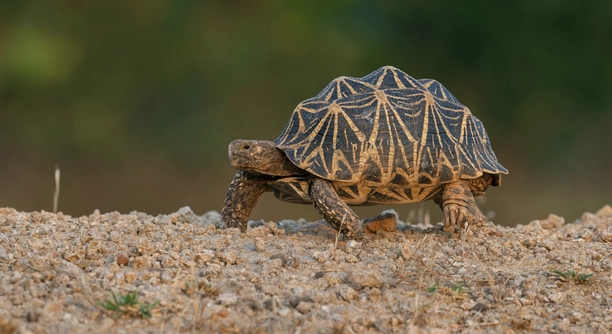
Turtles can make wonderful pets, but their care requires attention, especially when it comes to their diet. Ensuring they have the right nutrition is key to their overall health and well-being.
An imbalanced diet can lead to various health problems in turtles. Key signs to watch for include changes in behavior, shell condition, and appetite, all of which may indicate a need for dietary improvement.
By recognizing these signs early on, you can make the necessary adjustments to improve your turtle’s diet and support their health. This guide will help you understand what to look for and how to address it.
1. Lack of Variety in Their Diet
A turtle’s diet should include a variety of foods to ensure they receive all the necessary nutrients. Relying too heavily on one food type, like just leafy greens or pellets, can lead to deficiencies. If your turtle only eats a limited range, they may not be getting the vitamins and minerals required for healthy growth and a strong immune system. Introducing a mix of vegetables, fruits, and proteins is essential for keeping them in top health. Not all turtles require the same diet, but a balanced approach is important.
For example, some turtles thrive on aquatic plants, while others need a combination of both land-based vegetables and protein sources. Offering different food options prevents boredom and ensures they’re getting the necessary nutrition.
Providing a balanced diet requires understanding your turtle’s species and specific dietary needs. Over time, observe how your turtle reacts to various food types, as they may have preferences or sensitivities. Keep experimenting until you find the right mix, and your turtle will show signs of better health.
2. Change in Activity Levels
If your turtle becomes more lethargic or starts hiding more often, it may be related to their diet. A lack of proper nutrients can affect their energy levels. A well-balanced diet plays a huge role in supporting their metabolism and activity. When they don’t get the right food, their body doesn’t function properly.
Poor nutrition can result in a turtle having less energy to move around, leaving them more inactive than usual. This can make it harder for them to swim or explore, which are important for their physical health.
Ensuring your turtle has a varied and balanced diet will help maintain their energy. A lack of proper nutrients can affect their digestion and overall strength, reducing their ability to be active. Pay attention to their behavior, and if you notice a decline in energy, consider adjusting their meals to match their needs.
3. Soft or Deformed Shell
A turtle’s shell should be hard and strong. If it starts to feel soft or shows any deformations, it could be a sign of improper nutrition. Lack of calcium or other essential nutrients can weaken their shell, which is vital for protection and overall health. A healthy shell reflects a healthy turtle.
To prevent shell issues, ensure your turtle is getting enough calcium. This mineral is key for strong bone and shell development. Offering calcium supplements or foods rich in calcium, like dark leafy greens, can help. The diet should be rich in minerals and vitamins to maintain their shell integrity.
If your turtle’s shell becomes soft or misshapen, it’s essential to address their diet quickly. While a proper diet won’t fix the damage immediately, it will help prevent further deterioration. You may need to add calcium to their meals and offer them sunlight or UVB exposure to improve overall health.
4. Difficulty Shedding Skin
Turtles shed their skin regularly, and if you notice your turtle struggling to shed, it could indicate nutritional deficiencies. A lack of vitamin A, for instance, can cause their skin to become dry and difficult to shed. This can result in uncomfortable or even harmful conditions for your turtle.
Vitamin A is crucial for skin health and shedding. If your turtle is not getting enough, their skin may become thick, flaky, or sticky. Include foods high in vitamin A, such as carrots and sweet potatoes, to help promote healthy skin and shedding.
Providing a nutrient-dense diet helps your turtle maintain proper shedding cycles. If shedding issues persist, consider consulting a veterinarian to check for underlying health issues. By maintaining a well-balanced diet, you can avoid common problems related to skin shedding.
5. Loss of Appetite
If your turtle is suddenly not eating as much or refuses food entirely, it could be a sign that their diet needs improvement. A lack of proper nutrients can make turtles lose interest in food. This should not be ignored.
A sudden change in eating habits can point to dietary imbalances or stress. Turtles may stop eating if they aren’t getting the right nutrients, or if they are being offered foods they dislike. Adjusting their diet or adding more variety might encourage them to eat again.
6. Weight Loss or Poor Growth
A turtle not gaining weight or showing signs of stunted growth could be a result of poor nutrition. This is often linked to an imbalance of essential nutrients, like protein, calcium, or vitamins. Regularly monitor their weight and growth rate.
Inadequate food intake or a lack of variety can stunt a turtle’s growth and cause weight loss. It’s important to provide enough high-quality food that meets their specific dietary needs. If the turtle isn’t growing properly, increasing the variety and nutritional value of their diet may help them reach their full potential.
7. Digestive Problems
Turtles that suffer from bloating, constipation, or other digestive issues may be facing dietary problems. These issues can be caused by eating too much of the wrong food, or too little fiber. A proper diet will support healthy digestion.
Feeding your turtle a balanced diet that includes the right amount of fiber, water, and protein is essential for digestive health. If digestive problems persist, it’s important to adjust their diet or consult a vet. Proper feeding habits help avoid discomfort and potential health risks.
FAQ
How often should I feed my turtle?
The feeding schedule for turtles depends on their age and species. Baby turtles generally need to eat daily, while adult turtles can be fed every two to three days. It’s important to offer a varied diet but avoid overfeeding. Overfeeding can lead to obesity and other health issues.
What should I feed my turtle to ensure a balanced diet?
Turtles need a mix of vegetables, fruits, and protein. Leafy greens such as kale, collard greens, and dandelion greens are great choices. You can also feed them fruits like berries, apples, and melon. For protein, offer insects, worms, and small fish. Pellet food can be used but should not be the main diet.
Can I feed my turtle only vegetables?
While vegetables are important, they shouldn’t be the only part of your turtle’s diet. Turtles require protein sources for proper growth and energy. An all-vegetable diet can lead to nutritional imbalances, as turtles need more than just fiber and vitamins. Balance is key.
Is it safe to feed my turtle meat?
Yes, it is safe to feed turtles meat, but in moderation. Meats such as worms, crickets, and small fish provide essential protein. However, too much meat can lead to an imbalance in their diet, particularly if their main diet consists of protein-heavy foods.
Can I feed my turtle human food?
Feeding turtles human food should be done cautiously. Many human foods contain additives, sugars, or fats that are harmful to turtles. Safe options include certain fruits and vegetables like carrots and lettuce. Avoid processed foods, salty snacks, and anything with preservatives.
How do I know if my turtle is getting enough calcium?
Calcium is crucial for shell and bone health. To ensure your turtle is getting enough calcium, offer foods like dark leafy greens and calcium-rich foods such as cuttlebone or supplements. If their shell becomes soft or deformed, they may need more calcium.
What fruits can I safely feed my turtle?
Fruits should be fed in moderation because they contain sugar. Safe fruits for turtles include berries, apples (without seeds), melons, and grapes. Avoid citrus fruits like oranges or lemons, as they can upset a turtle’s digestive system. Always remove seeds or pits when feeding fruits.
How can I tell if my turtle is overweight?
An overweight turtle may have difficulty moving and swimming, and you may notice fat around their neck, legs, and under their shell. Check their plastron (bottom of the shell) to ensure it is not bulging. Keep track of their weight regularly to avoid obesity.
Can I feed my turtle iceberg lettuce?
Iceberg lettuce should be avoided as it offers little nutritional value. It’s mostly water and can cause digestive issues if fed too often. Stick to dark, leafy greens like kale, collard greens, and turnip greens for a healthier option.
What should I do if my turtle isn’t eating?
If your turtle refuses food, check the water temperature and their environment. Stress, improper water conditions, or a change in diet can cause a lack of appetite. Try offering a variety of foods, and if the problem persists, consult a veterinarian to rule out any health issues.
Is it necessary to give my turtle UVB light?
Yes, UVB light is essential for turtles, especially if they are kept indoors. UVB helps them synthesize vitamin D3, which is crucial for calcium absorption and shell health. Provide a UVB light source for 10-12 hours a day to maintain proper health.
Can I feed my turtle insects?
Insects are a great source of protein for turtles. You can feed them crickets, mealworms, or waxworms. Ensure the insects are gut-loaded (fed nutritious food) before offering them to your turtle to ensure the best nutritional value. Do not feed them wild-caught insects due to possible pesticide contamination.
How long can my turtle go without food?
Turtles can go without food for a period of time, but this varies depending on the species and their size. In general, adult turtles can go without food for a week or two, but young turtles should not be left without food for more than a few days. Always aim to provide regular meals to keep them healthy.
Should I give my turtle treats?
Treats should be offered sparingly. Healthy treat options include small pieces of fruit or a few insects. Offering treats too often can disrupt their balanced diet and lead to obesity or health problems. Stick to their regular diet most of the time, and only give treats occasionally.
How can I make my turtle’s diet more interesting?
To keep your turtle’s diet interesting, offer a variety of foods with different textures and flavors. You can change up the vegetables, fruits, and protein sources regularly to prevent boredom. It’s also helpful to vary the way you serve the food, such as offering leafy greens whole or chopped.
Can I feed my turtle frozen food?
Frozen food can be a good option, but ensure it is properly thawed before feeding. You can offer frozen fish, shrimp, or vegetables, but always ensure it’s free from any additives or preservatives. Fresh food is generally the best choice, but frozen can be a convenient alternative.
How much water should my turtle drink?
Turtles often drink water when they are thirsty, but their main source of hydration comes from the food they eat. Ensure they have access to fresh, clean water at all times. Most turtles enjoy soaking in the water, so make sure the tank is large enough for them to do so comfortably.
Can I feed my turtle cooked food?
Turtles can eat some cooked foods, such as steamed vegetables or boiled eggs, but avoid giving them cooked meats or processed foods. Always make sure the cooked food is cut into small, manageable pieces and free of added spices or oils. Cooking food can sometimes reduce its nutritional value.
Final Thoughts
Turtles are fascinating creatures, and providing them with a balanced diet is essential for their overall well-being. Like all pets, turtles rely on their caregivers to make sure they receive the proper nutrients to thrive. Their diet should consist of a variety of foods, including vegetables, fruits, and protein. While it can seem overwhelming at first, once you understand what your turtle needs, it becomes easier to create a feeding plan that supports their health.
Proper care also includes paying attention to the quality of their food. Offering fresh, nutritious meals helps prevent potential health problems. While it’s fine to give your turtle treats occasionally, their main diet should come from foods that offer a good balance of nutrients. If you’re unsure about any specific food or how much to feed, consulting with a vet can provide you with guidance to ensure your turtle’s diet is well-rounded. Just as important is providing clean water and maintaining a suitable environment for them to eat in.
In the end, understanding your turtle’s nutritional needs is key to helping them live a long, healthy life. They may not show signs of dietary issues right away, but over time, poor nutrition can affect their health. With the right care and attention, your turtle will remain active and happy. Keeping their diet varied, fresh, and balanced will support their shell, bones, and overall health. This simple yet important practice will make sure they continue to thrive in their habitat for years to come.

Hello,
If you enjoy the content that we create, please consider saying a "Thank You!" by leaving a tip.
Every little bit helps us continue crafting quality advice that supports the health, happiness, and well-being of pets around the world, for pets of all shapes, sizes, and species.
We really appreciate the kindness and support that you show us!