
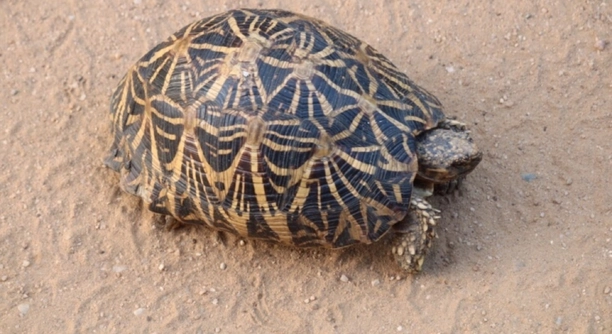
Turtles are amazing pets that need the right care to thrive. One of the most important aspects of turtle care is ensuring they get enough sunlight. Without proper light, they can face serious health issues.
Turtles require exposure to natural sunlight or UVB light to maintain a healthy diet, strong bones, and an active lifestyle. If your turtle is not receiving adequate light, you may notice physical changes or behavioral shifts.
In this article, we will explore how to tell when your turtle is not getting enough sunlight and what you can do to help. Understanding these signs will guide you in providing the best care for your pet.
Your Turtle is Staying in the Shade
Turtles are naturally inclined to bask in the sun. If you notice your turtle spending too much time hiding or staying in the shade, it could be a sign it needs more sunlight. Turtles need both warmth and UVB light to regulate their body temperature and keep their metabolism active. Without enough sunlight, they may become lethargic and refuse to eat.
The absence of sun can lead to physical and behavioral changes. If your turtle isn’t basking, it may be trying to stay cool or simply lacks the energy to move around. This behavior could also be an early indication of health issues that are linked to insufficient light exposure.
Regular basking under appropriate lighting is essential for your turtle’s well-being. Without it, they might develop shell deformities, weakened bones, or other serious conditions. Make sure to monitor their behavior closely. If they consistently avoid light or heat, it’s time to reassess their setup and ensure they have access to a proper basking spot.
Your Turtle’s Appetite is Decreasing
A turtle’s diet is heavily influenced by its environment. When sunlight is lacking, turtles may lose their appetite. Sunlight helps regulate their metabolism, and without it, they can become sluggish. This drop in activity and eating is a red flag.
When your turtle isn’t basking enough, its body struggles to process food. This can lead to weight loss or poor growth in younger turtles. You might notice they are less active and spend more time hiding. If your turtle refuses food for more than a day or two, it’s likely a sign of poor lighting. Be sure to provide a well-lit environment that encourages natural feeding behavior. This can greatly improve your turtle’s eating habits and overall health.
Your Turtle’s Shell is Softening
A turtle’s shell is a clear sign of its overall health. When your turtle isn’t getting enough sunlight, the shell can begin to soften or show signs of deformity. This happens because sunlight, or UVB rays, is necessary for calcium absorption, which keeps the shell strong.
Without proper exposure to UVB light, a turtle’s body can’t properly metabolize calcium. This leads to a softening of the shell, making it more vulnerable to injury. The lack of sunlight can also cause the shell to grow abnormally, leading to irregular shapes or even visible deformities. If you notice these changes, it’s crucial to provide more sunlight or invest in a proper UVB light source.
If the problem persists, it can result in more severe health issues. It’s important to monitor your turtle’s shell closely, as this can be a clear indicator of the need for better lighting conditions. A soft shell is one of the most alarming signs that your turtle’s UVB exposure isn’t sufficient.
Your Turtle is Becoming More Aggressive
Turtles typically have a calm and laid-back demeanor, but changes in their environment can make them more irritable. Insufficient sunlight can stress your turtle, leading to increased aggression or nervous behavior. A stressed turtle is likely to display more biting or defensive actions.
Lack of sunlight may interfere with a turtle’s natural instincts, causing it to feel unsettled. If your turtle feels unhealthy or uncomfortable due to inadequate lighting, it may act out in frustration. Aggressive behavior can also be a result of poor habitat conditions or a lack of proper basking spots. Addressing these environmental issues is vital for your turtle’s mental and physical health.
Providing a comfortable, sunny spot where your turtle can relax and soak in the UV rays can help reduce stress and restore its calm nature. Ensuring your turtle’s needs are met with proper lighting can prevent behavior changes and allow your pet to thrive.
Your Turtle’s Eyes Are Cloudy
Cloudy or swollen eyes in turtles can be a clear sign of a health issue. When a turtle doesn’t get enough sunlight, its immune system can weaken, leading to eye problems. UVB light is essential for keeping a turtle’s eyes healthy.
If your turtle’s eyes appear cloudy or swollen, it could be a result of a vitamin A deficiency, which is linked to poor lighting conditions. UVB rays help turtles absorb vitamin A, which is necessary for maintaining clear, healthy eyes. Without proper light, your turtle may develop eye infections or other vision problems.
Providing adequate UVB lighting is crucial for preventing these eye issues. If you notice any changes in your turtle’s eyes, ensure they have access to proper light and consult a vet if the problem persists.
Your Turtle is Not Basking Properly
Turtles rely on basking to regulate their body temperature. If your turtle is not basking as it should, it could be a sign of insufficient sunlight. This behavior is often linked to an unhealthy environment.
If your turtle refuses to bask or seems uninterested in it, check the temperature and lighting in their tank. The basking area should be warm enough to encourage natural basking behavior. Lack of proper light can cause your turtle to avoid basking altogether, which can lead to a weakened immune system and other health concerns.
Make sure the basking spot is at the right temperature, with access to both heat and UVB light. This will help your turtle stay active and healthy.
FAQ
How much sunlight does my turtle need each day?
Turtles generally need about 10 to 12 hours of sunlight or UVB exposure daily. This helps them regulate their body temperature and absorb necessary nutrients like calcium and vitamin D. If you live in a place with limited natural sunlight, you should use a UVB light to replicate this effect. It’s important to place the light at the right distance from the turtle’s basking area to ensure it receives adequate UVB radiation. A good rule of thumb is to keep the light about 10 to 12 inches above their basking spot, but always check the light’s specifications for guidance.
Can I use a regular lamp instead of a UVB light for my turtle?
No, regular lamps don’t emit UVB rays, which are essential for a turtle’s health. Only UVB lamps designed specifically for reptiles can provide the necessary ultraviolet light that turtles need to synthesize vitamin D and absorb calcium. While regular lamps can provide heat, they won’t offer the benefits of UVB light, which plays a crucial role in bone health and the immune system. Make sure to invest in a proper UVB light and replace it regularly, as the intensity of UVB rays fades over time, even if the bulb still lights up.
What should I do if my turtle’s shell is soft?
If your turtle’s shell becomes soft, this is a sign of calcium deficiency, often caused by a lack of UVB light. Without proper sunlight, turtles are unable to metabolize calcium effectively, which can result in a weakened shell. To address this, ensure your turtle has access to a well-lit basking spot with appropriate UVB lighting. You may also consider supplementing your turtle’s diet with calcium and vitamin D3, which can help support shell health. If the softness persists, consult a vet for further evaluation, as it could indicate a more serious underlying issue.
Can I take my turtle outside for sunlight instead of using a UVB lamp?
Yes, taking your turtle outside for natural sunlight is a great way to ensure they get the UVB exposure they need. However, make sure you provide supervision when doing so. Never leave your turtle outside unattended as they can be vulnerable to predators or other hazards. Also, be aware of the temperature and weather conditions. If it’s too cold or too hot outside, it’s better to stick with artificial UVB lighting to avoid stressing your turtle. Remember, outdoor exposure is a good supplement but should not replace a proper basking area with UVB lighting indoors.
What are the signs that my turtle is getting too much sunlight?
While sunlight is vital for a turtle’s health, too much direct exposure can lead to overheating, dehydration, or sunburn. If your turtle seems lethargic, tries to escape its basking area, or appears stressed, it might be a sign that it is getting too much heat or light. In some cases, prolonged exposure to intense UVB rays without a chance to cool down can lead to burns or even heatstroke. To avoid this, always provide a shaded area in the tank for your turtle to retreat to when it gets too hot. Monitor its behavior carefully and ensure the basking area is at a comfortable temperature.
How do I know if my turtle is not getting enough UVB light?
Signs that your turtle is not getting enough UVB light include lethargy, lack of appetite, shell softening, and abnormal behavior such as hiding. Your turtle may also have cloudy eyes or show signs of metabolic bone disease, which happens when the body cannot properly process calcium. If you notice any of these symptoms, check the lighting setup to ensure it provides sufficient UVB exposure. Also, make sure the UVB light is placed at the right distance and is replaced regularly, as it loses effectiveness over time. A quick visit to the vet can help diagnose any underlying health problems.
How can I improve my turtle’s basking spot?
To improve your turtle’s basking spot, make sure it has access to both warmth and UVB light. The basking area should be placed under a heat lamp and a UVB bulb to provide the necessary temperature gradient. The temperature should range from 85 to 90°F for the basking spot, with the water being cooler. Ensure that the basking area is easily accessible, and provide enough space for the turtle to comfortably bask. Adding a rock or a floating platform will help your turtle climb out of the water. The combination of heat and UVB lighting in the basking spot is key to maintaining a healthy turtle.
Can my turtle get UVB from a window?
No, most windows block out UVB rays, meaning your turtle won’t benefit from sunlight if it’s inside near a window. UVB rays cannot pass through glass, so any exposure your turtle gets will be ineffective. If you want to ensure your turtle gets enough UVB light, either place it outside in direct sunlight or use a UVB light specifically designed for reptiles. Remember, direct exposure to the sun outside is the best option, but always supervise your turtle while it’s outdoors.
Final Thoughts
Taking care of a turtle requires attention to many aspects of their environment, and sunlight is one of the most important factors for their well-being. Without enough sunlight or UVB exposure, turtles can develop serious health problems such as soft shells, weakened bones, and poor appetite. Ensuring your turtle gets the right amount of sunlight or UVB light will help maintain its energy, immune system, and overall health. It’s important to provide a proper basking spot with access to both heat and UVB light, and regularly check the lighting to ensure it is functioning correctly.
If you notice any signs of illness or behavioral changes in your turtle, such as lack of appetite, cloudy eyes, or avoiding the basking area, it could be an indication that it isn’t receiving enough sunlight. In these cases, make sure to reassess its habitat and lighting setup. Often, small adjustments like replacing a UVB bulb or ensuring the basking area is properly lit can make a big difference. Remember, turtles thrive in environments that mimic their natural conditions, and sunlight plays a huge role in maintaining their health.
By staying observant and making sure your turtle gets enough sunlight, you can help it live a long, healthy, and happy life. Turtles are resilient creatures, but they rely on us to meet their basic needs. Providing proper lighting and regular care will not only prevent many health issues but also improve their quality of life.

Hello,
If you enjoy the content that we create, please consider saying a "Thank You!" by leaving a tip.
Every little bit helps us continue crafting quality advice that supports the health, happiness, and well-being of pets around the world, for pets of all shapes, sizes, and species.
We really appreciate the kindness and support that you show us!