
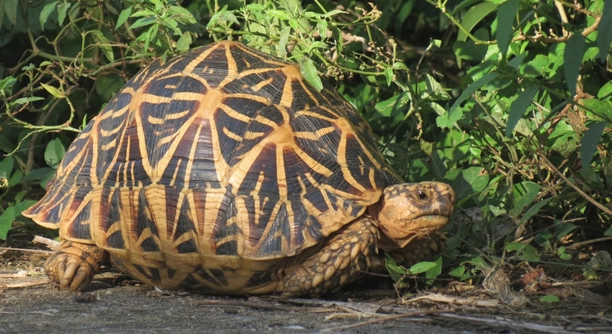
Turtles are quiet and gentle creatures, but when they’re not feeling well, it can be difficult to spot the signs. Being aware of these signs is essential for keeping your turtle healthy and happy.
Turtles show specific symptoms when they are sick, including changes in eating habits, lethargy, abnormal swimming behavior, or visible discharge. These signs indicate potential health problems that require immediate attention from a veterinarian to ensure proper treatment.
Recognizing these early signs can help prevent serious issues. Understanding the symptoms ensures your turtle stays healthy and thrives in its environment.
Change in Appetite or Lack of Eating
If your turtle is suddenly eating less or not eating at all, it’s important to pay attention. Turtles are generally good eaters, so a loss of appetite can signal illness. This could be related to various health problems, including digestive issues or infections. While some turtles go through natural periods of reduced eating, a long-term change should be concerning. If you notice your turtle isn’t interested in food for a few days or is eating very little, you should seek advice from a vet.
It’s also worth noting that turtles may stop eating due to environmental factors. Poor water quality or temperature changes can cause them to feel unwell. Make sure their habitat is clean and the water temperature is stable to prevent stress-related issues.
Healthy turtles typically eat regularly, so any noticeable changes in their eating habits should be addressed. Taking action early can prevent further complications. Keep track of their diet and consult a professional if you notice a consistent lack of appetite.
Unusual Behavior or Lethargy
Turtles are naturally active and enjoy swimming around their environment. If your turtle seems overly tired or unwilling to move, it may be a sign that something is wrong. Being lethargic for more than a day can be a signal of illness.
Illnesses such as respiratory infections, parasites, or poor water conditions can cause a turtle to become sluggish. If your turtle is sleeping more than usual or not showing interest in its surroundings, take it seriously. Keep an eye on any changes and provide the right conditions in its habitat.
Swelling or Puffiness
If you notice swelling or puffiness around your turtle’s eyes, limbs, or body, it could indicate an infection or injury. Swelling is often a sign of fluid buildup or a more serious underlying issue. It’s essential to address this immediately to avoid further complications.
The cause of swelling can vary from abscesses caused by infections to respiratory issues. A turtle’s immune system might struggle with infections if not treated quickly. A veterinarian will likely recommend tests to identify the exact problem. The quicker you act, the better the chances of recovery.
Turtles with swelling may also show signs of discomfort when moving. If this is happening, consider isolating your turtle to reduce stress. Proper diagnosis and timely intervention are key to managing this problem. Don’t delay getting help for your turtle.
Changes in Shell Appearance
A turtle’s shell is a reliable indicator of its health. If you notice soft spots, cracks, or discoloration on your turtle’s shell, it’s time to investigate further. These changes are often linked to vitamin deficiencies, infections, or injury.
A healthy shell should be smooth and hard. If it becomes soft or develops noticeable marks, it’s essential to take immediate action. The most common issues are shell rot, caused by bacteria, or metabolic bone disease, which weakens the shell over time. Treatment may include antibiotics or adjusting the turtle’s diet.
If you observe shell deformities, it’s crucial to seek help quickly. Without proper treatment, these conditions can worsen, leading to permanent damage. A turtle’s shell health is critical for its overall wellbeing, so addressing any changes right away is essential for recovery.
Abnormal Swimming or Floating
If your turtle begins swimming in circles or floating more than usual, it could be a sign of health issues. Abnormal swimming patterns often point to respiratory infections, internal parasites, or buoyancy problems. Keep an eye on these changes and act quickly.
Turtles can sometimes float due to air trapped in their digestive system or respiratory issues. Poor water quality and stress can also contribute. If your turtle is unable to dive or stays at the water’s surface, it may need a vet’s attention. Early diagnosis can help avoid long-term issues.
Eye Discharge or Cloudiness
Eye discharge or cloudiness can indicate an infection or vitamin deficiency. Turtles with eye issues may also exhibit excessive blinking or closed eyes. If left untreated, it could affect their vision.
Eye problems in turtles often come from dirty water or poor diet. Vitamin A deficiency can also lead to eye discharge. It’s important to monitor the situation and provide proper nutrition and clean water. If the symptoms persist, visit a vet.
FAQ
What should I do if my turtle isn’t eating?
If your turtle refuses food for more than a couple of days, it’s important to check its environment first. Make sure the water temperature and conditions are correct. Stress or illness can cause turtles to stop eating, so maintaining a proper habitat is key. If the issue persists, a vet can check for infections, parasites, or other health concerns.
How can I tell if my turtle is dehydrated?
Dehydration in turtles is common, especially in species that need both land and water. Signs include lethargy, sunken eyes, and dry, flaky skin. Make sure your turtle has access to clean water, and if it spends too much time on land without drinking, you may need to increase its water intake. A vet can provide advice on hydration and recommend necessary changes in the habitat.
What does it mean if my turtle is not swimming properly?
If your turtle struggles to swim or remains at the surface, it might be experiencing buoyancy problems. This could be caused by an infection, respiratory issues, or even problems with the shell. Check the water conditions and temperature first, then observe if the problem improves with proper care. If the turtle still has difficulty swimming, consult a vet for a proper diagnosis.
How do I know if my turtle has shell rot?
Shell rot is often noticeable by soft, mushy spots or discoloration on the shell. If you notice any changes in your turtle’s shell, act quickly by removing it from its tank and cleaning the area with a mild solution of saltwater. Ensure the turtle is housed in clean, dry conditions, and contact a vet for treatment, as this infection can spread and worsen.
Is it normal for my turtle to sleep a lot?
Turtles do sleep a lot, especially during certain seasons. However, if your turtle becomes overly lethargic or sleeps excessively beyond its usual patterns, it might be a sign of illness. Check for other symptoms, such as a loss of appetite or abnormal behavior. If these are present, take your turtle to a vet to rule out potential health issues.
Can poor water quality make my turtle sick?
Yes, poor water quality is a common cause of health issues in turtles. Dirty water can lead to skin infections, eye problems, and respiratory issues. Ensure that the water is filtered and regularly cleaned. Also, maintain the correct water temperature for your turtle’s species. Regular water changes and monitoring are essential for a healthy habitat.
Why is my turtle’s shell soft?
A soft shell can indicate a vitamin deficiency, often linked to a lack of calcium or improper lighting. Without enough UVB light, turtles cannot properly absorb calcium, which leads to shell softness. Ensure your turtle has access to a proper UVB light source and is fed a diet rich in calcium. If the problem continues, visit a vet to assess the situation.
What are the signs of a respiratory infection in turtles?
Respiratory infections in turtles often show up as nasal discharge, wheezing, or open-mouth breathing. You might also notice your turtle basking excessively or swimming less. These symptoms are signs of a more serious health concern and should not be ignored. A vet will prescribe antibiotics or other treatments to clear up the infection.
How can I treat my turtle’s eye infection?
Eye infections in turtles are typically caused by dirty water or a lack of vitamin A. If you notice cloudy eyes or discharge, first make sure the water is clean. You can also offer your turtle vitamin A supplements. If the infection persists or worsens, seek professional care from a vet who can provide the appropriate treatment.
Is my turtle sick if it’s not basking?
Basking is a natural behavior for turtles, helping them regulate body temperature and absorb UVB light. If your turtle stops basking, it could indicate stress or illness, such as a respiratory infection or vitamin deficiency. Ensure the basking area is clean and at the right temperature. If your turtle still avoids basking, consult a vet.
Final Thoughts
Caring for a turtle requires attention to detail, and understanding the signs of illness is essential for maintaining its health. By observing any changes in your turtle’s behavior, such as changes in swimming, eating habits, or shell condition, you can identify potential issues early. Keeping a close eye on your turtle’s physical condition helps ensure that it remains healthy and comfortable in its environment. Proper care, along with a clean habitat, balanced diet, and appropriate temperature, goes a long way in preventing many common health problems.
When your turtle shows signs of being unwell, it’s important to act quickly. Some health problems, like shell rot or eye infections, can become serious if left untreated. If you notice any signs of illness, consult with a veterinarian who specializes in reptiles for a proper diagnosis. Taking quick action can make a significant difference in the outcome, ensuring your turtle can recover and continue to thrive. Regular check-ups with a vet can also help catch any hidden health issues before they become more severe.
Finally, being aware of the signs that indicate your turtle might be sick allows you to provide the best care possible. Keeping a routine for feeding, water changes, and habitat maintenance ensures that your turtle’s environment supports its health. With the right knowledge and attention, you can help your turtle live a long, happy life. Taking preventive measures and knowing when to seek professional help ensures your turtle’s well-being and quality of life.

Hello,
If you enjoy the content that we create, please consider saying a "Thank You!" by leaving a tip.
Every little bit helps us continue crafting quality advice that supports the health, happiness, and well-being of pets around the world, for pets of all shapes, sizes, and species.
We really appreciate the kindness and support that you show us!