
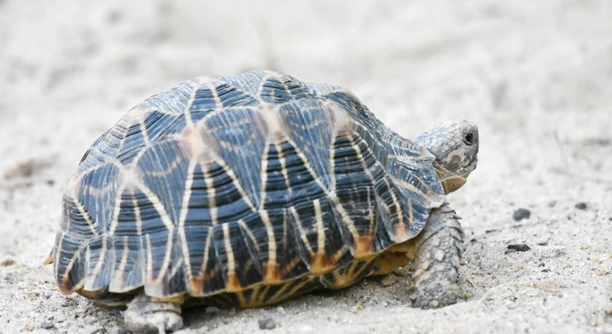
Is your turtle acting differently, hiding more than usual, or refusing to eat? These changes could be signs of stress, and understanding them is essential to keeping your pet happy and healthy.
A stressed turtle may display behaviors such as excessive hiding, loss of appetite, aggression, frantic swimming, or shell discoloration. Environmental factors, improper diet, or health issues often contribute to stress, making it important to address the root cause promptly.
Recognizing these signs early can help prevent further complications. Whether it’s adjusting their habitat or improving their diet, small changes can make a big difference in your turtle’s overall well-being.
Hiding More Than Usual
Turtles naturally enjoy hiding, but excessive hiding can be a sign of stress. If your turtle is spending most of its time in its shell or tucked away in a corner, something might be wrong. This behavior often happens when they feel unsafe or overwhelmed by their environment. Changes in habitat, loud noises, or new tank mates can make them anxious. If the hiding continues for days, it may indicate an underlying health issue. Keeping their environment stable and ensuring they have a quiet space can help them feel secure and comfortable.
A sudden increase in hiding can also be linked to improper temperature or lighting. Turtles need a balanced environment to thrive, so checking their habitat conditions is important. Small adjustments like repositioning the heat lamp or reducing noise levels can make a big difference.
If your turtle keeps avoiding interaction, take a closer look at its surroundings. Ensuring proper temperature, lighting, and safety will help them feel more at ease.
Loss of Appetite
A stressed turtle may refuse to eat, which can be concerning. Loss of appetite often happens when there are sudden changes in diet, temperature, or environment. If your turtle stops eating for days, addressing the issue quickly is important.
Temperature plays a major role in their digestion. If the water or basking area is too cold, their metabolism slows down, leading to reduced appetite. Double-check that their habitat is within the proper temperature range. Additionally, offering a varied diet with fresh vegetables, proteins, and calcium sources can encourage them to eat. If your turtle rejects food, try offering their favorite treats or slightly warming their food to enhance its appeal.
Sometimes, stress from handling, new tank mates, or a recent move can cause temporary appetite loss. Give your turtle space and minimize disturbances. If they continue to avoid food for more than a week, a vet visit may be necessary to rule out health issues.
Aggressive Behavior
A normally calm turtle becoming aggressive can be a sign of stress. Biting, hissing, or excessive head bobbing may indicate they feel threatened. This behavior can be caused by overcrowding, lack of hiding spaces, or sudden changes in their routine. Addressing these factors can help reduce their stress.
Aggression may also result from improper handling. Turtles dislike being picked up too often, especially if they feel insecure in their environment. If your turtle reacts negatively to interaction, give them space and let them adjust on their own terms. Ensure their habitat has enough space and separate aggressive tank mates if necessary. A balanced diet with proper nutrients can also help regulate their mood. Monitoring their behavior closely can prevent future conflicts and stress-related health issues.
If aggression continues despite environmental improvements, it could indicate an underlying health issue. Pain or illness may cause irritability, so a vet checkup may be necessary. Identifying the cause early can help your turtle return to a calmer state.
Frantic Swimming
Turtles sometimes swim frantically when they feel stressed. This may happen if their environment is too small, lacks hiding spots, or has improper water conditions. Bright lights, sudden movements, or other pets near the tank can also cause them to feel unsettled. Keeping their environment calm is essential.
Poor water quality can lead to distress and frantic swimming. Regularly checking water parameters like temperature, pH levels, and ammonia content can prevent discomfort. If the water is too cold or dirty, your turtle may try to escape the tank. Make sure their basking area is easily accessible and that filtration is working properly. A clean, stable environment helps reduce stress.
Frantic swimming can also be linked to boredom or lack of stimulation. Adding plants, hiding spots, or safe tank decorations can give them a sense of security. If the behavior persists, consider adjusting their routine or consulting a vet.
Shell Discoloration
Changes in shell color can indicate stress. A faded, flaky, or darkened shell may result from poor diet, incorrect lighting, or unclean water. If the discoloration appears suddenly, check their habitat conditions and make necessary adjustments to prevent further health issues.
Lack of UVB light can weaken their shell, leading to stress and illness. Ensure your turtle has access to proper lighting and a calcium-rich diet to maintain shell health. If discoloration continues or worsens, it may be a sign of infection, requiring veterinary attention.
Excessive Digging
Turtles may dig excessively when they feel stressed or uncomfortable in their habitat. This behavior often occurs if the substrate is unsuitable, the temperature is off, or they are searching for a place to lay eggs. Providing a soft, natural substrate and maintaining proper environmental conditions can help reduce excessive digging.
Lethargy
A stressed turtle may become unusually inactive, spending long hours basking or resting at the bottom of the tank. Lethargy can be linked to improper temperatures, poor water quality, or an unbalanced diet. Ensuring optimal conditions can help restore their energy levels.
FAQ
How can I tell if my turtle is stressed?
Turtles show signs of stress through changes in behavior. You might notice them hiding more, refusing to eat, becoming aggressive, or swimming frantically. Other signs include shell discoloration, lethargy, or excessive digging. If any of these behaviors last for an extended period, it’s important to examine their habitat conditions and diet.
What are the common causes of stress in turtles?
Common causes of stress in turtles include improper water temperature, inadequate lighting, poor water quality, overcrowding, or sudden changes in their environment. New tank mates, loud noises, or excessive handling can also lead to stress. Identifying the root cause is key to preventing further distress.
How do I create a stress-free environment for my turtle?
To create a stress-free environment, ensure the tank is large enough, with proper water temperature, UVB lighting, and clean water. Provide hiding spots and basking areas, and avoid overcrowding the tank. Regularly clean the tank and filter to maintain optimal water quality. Minimizing sudden changes or handling can also help reduce stress.
Can a turtle’s diet contribute to stress?
Yes, a poor or unbalanced diet can contribute to stress. Turtles need a diet that includes a mix of vegetables, protein, and calcium. A lack of nutrients or improper food choices can weaken their immune system, making them more prone to stress and health problems. Make sure your turtle’s diet is varied and appropriate for its species.
Is it normal for turtles to hide a lot?
It’s normal for turtles to hide from time to time, but excessive hiding may indicate stress. If your turtle is spending most of its time hidden and avoiding interaction, it may be a sign of discomfort or anxiety. Check the temperature, lighting, and cleanliness of the tank to see if adjustments are needed.
How do I reduce aggressive behavior in my turtle?
Aggressive behavior in turtles can result from overcrowding, inadequate space, or a lack of hiding places. Ensure your turtle has enough room in its habitat and consider separating any aggressive tank mates. Handling your turtle gently and minimizing stressors like loud noises can also help reduce aggression.
What should I do if my turtle refuses to eat?
If your turtle refuses to eat, check the temperature and water quality. Cold water or poor lighting can reduce their appetite. Offer a variety of foods, such as leafy greens, protein, and calcium-rich items, to encourage eating. If the lack of appetite persists, consult a vet for potential health issues.
How can I tell if my turtle is sick or just stressed?
Sick turtles may show similar signs of stress, but you can usually spot differences. If your turtle is eating less, swimming abnormally, or acting lethargic, and you see additional symptoms like swelling, discharge from the eyes or nose, or changes in feces, it may be sick. In such cases, a visit to the vet is necessary.
What should I do if my turtle shows signs of shell problems?
If your turtle shows signs of shell discoloration, softness, or damage, it may be due to stress, poor diet, or inadequate UVB lighting. Ensure they have access to proper UVB light to help them absorb calcium, which is essential for shell health. If the shell issue worsens or doesn’t improve, seek advice from a veterinarian.
Can stress affect my turtle’s lifespan?
Yes, long-term stress can negatively impact a turtle’s health and lifespan. Chronic stress weakens their immune system, making them more susceptible to illnesses. It can also affect their digestion, growth, and overall well-being. By addressing the stressors and providing a healthy environment, you can help ensure a longer, healthier life for your turtle.
How often should I clean my turtle’s tank to prevent stress?
Cleaning the tank regularly is essential for maintaining a stress-free environment. Perform partial water changes weekly and ensure the filter is functioning well. Deep clean the tank every month to remove any accumulated debris or algae. Keeping the tank clean helps prevent stress-related health issues caused by poor water quality.
Is it safe to add other animals to my turtle’s tank?
It can be, but it depends on the species and temperament of both the turtle and the other animals. Some turtles can live with fish or other reptiles, while others may become aggressive or stressed. Always monitor interactions carefully and provide enough space for each animal to avoid conflicts.
How can I reduce my turtle’s stress during handling?
Limit handling to necessary situations only. When you must handle your turtle, be gentle and calm. Avoid sudden movements and make sure your turtle feels secure in your hands. Always support their body fully to prevent injury. After handling, allow them time to settle back into their environment.
Can a change in environment stress my turtle?
Yes, turtles are sensitive to changes in their environment. Moving their tank to a new location or changing their setup can cause stress, as it disrupts their familiar surroundings. When moving a turtle, make sure to keep their habitat as consistent as possible and give them time to adjust.
What is the best way to reduce stress in baby turtles?
Baby turtles are especially sensitive to stress. Make sure they have a proper basking area, clean water, and adequate space in their tank. Keep their habitat stable, avoid too much handling, and provide a calm, quiet environment. A consistent feeding schedule and temperature control are also key.
Final Thoughts
Stress in turtles is something every turtle owner should be aware of, as it can lead to serious health problems if not addressed. By paying attention to your turtle’s behavior and noticing any changes, you can quickly spot signs of stress. Symptoms like hiding, loss of appetite, aggression, frantic swimming, and changes in shell appearance should not be ignored. These are your turtle’s way of telling you that something isn’t right in its environment or health.
One of the most important things you can do to reduce stress in your turtle is to maintain a stable environment. This includes providing proper lighting, a balanced diet, and clean water. Turtles need UVB light to absorb calcium for a strong shell, and they require the right temperature range to stay healthy. Overcrowding or introducing new tank mates suddenly can also stress them out, so it’s best to ensure their habitat has enough space for them to move freely. If any of these conditions change, your turtle may begin to show signs of distress.
In some cases, stress in turtles can be a sign of an underlying health issue. If your turtle’s behavior doesn’t improve after adjusting its environment, or if symptoms worsen, it’s always best to consult with a veterinarian. Turtles, like other pets, can suffer from infections or illnesses that need professional treatment. Catching these problems early can lead to a quicker recovery and better long-term health for your turtle. With proper care, attention, and regular checkups, your turtle can live a long and happy life free from stress.

Hello,
If you enjoy the content that we create, please consider saying a "Thank You!" by leaving a tip.
Every little bit helps us continue crafting quality advice that supports the health, happiness, and well-being of pets around the world, for pets of all shapes, sizes, and species.
We really appreciate the kindness and support that you show us!