
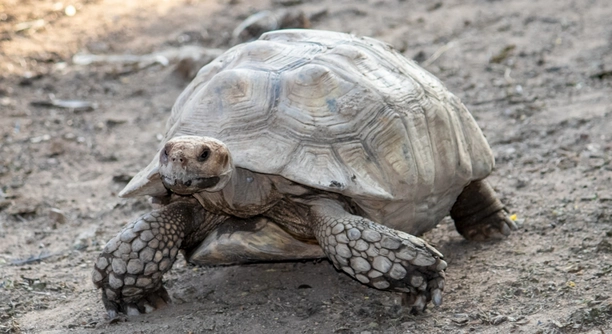
If you’re a tortoise owner, it’s important to make sure your pet’s diet is just right. Too much protein can lead to health problems, so keeping an eye on their food intake is essential.
Too much protein in a tortoise’s diet can lead to kidney damage, metabolic issues, and poor shell growth. Ensuring your tortoise gets the right balance of protein is key to maintaining its health and well-being.
Understanding how much protein your tortoise needs can help prevent potential health problems. Continue reading to learn more about the signs that indicate your tortoise may be consuming too much protein.
The Dangers of Too Much Protein for Tortoises
Protein is an essential part of a tortoise’s diet, but like anything, too much can cause harm. Tortoises that consume excessive protein may face issues such as kidney stress, metabolic imbalances, and poor shell development. The digestive system of a tortoise is not designed to process large amounts of protein. If their diet isn’t balanced, it can lead to long-term health problems. A diet high in protein can also make tortoises more susceptible to infections and cause them to grow too quickly, which is not ideal for their overall well-being. To avoid these risks, ensure your tortoise is getting the correct amount of protein relative to their age, size, and species.
A tortoise’s diet should primarily consist of fiber, with moderate protein and calcium. Excessive protein intake disrupts their nutrient balance and can lead to serious health concerns.
For adult tortoises, most of their diet should consist of leafy greens, vegetables, and a small amount of fruit. Protein-rich foods like insects, eggs, or high-protein pellets should be limited, especially for herbivorous species. It’s best to focus on providing a variety of plants that mimic what they would eat in the wild. Overfeeding high-protein foods can encourage rapid growth that might harm their internal organs. If you notice changes in their behavior or appearance, such as an increase in aggression, poor growth patterns, or discoloration of the shell, these could be signs of overfeeding protein.
Signs of Protein Overload
One of the most noticeable signs that your tortoise is getting too much protein is weight gain.
When tortoises get too much protein, their bodies can store the excess as fat. This can lead to rapid weight gain that may affect their movement and overall health. A tortoise’s shell may also begin to soften or show signs of deformity, which is often linked to poor nutrition. Additionally, high-protein diets can cause excessive urination, leading to dehydration, which is another red flag. If these symptoms are observed, it’s important to adjust their diet immediately.
A tortoise’s kidneys can become stressed from processing too much protein, leading to kidney damage or other metabolic disorders. Excessive protein intake can also cause shell malformations, where the shell grows too fast, becomes soft, or develops an abnormal shape. These issues may not be immediately noticeable but can cause irreversible damage over time. Ensuring your tortoise’s diet is balanced is key to preventing these issues. You can consult a vet or reptile specialist for guidance on how to properly balance protein with other nutrients. This will help ensure your pet lives a long, healthy life.
How Much Protein Is Too Much for Tortoises?
Tortoises should have a diet that is 80-90% plant-based. Too much protein can disrupt their balance.
For most tortoises, protein should only make up about 10-15% of their diet. Excessive amounts, especially from animal sources like insects or high-protein pellets, can cause rapid growth and strain their internal organs. Overfeeding protein can lead to unhealthy weight gain, kidney stress, and other metabolic issues. It’s important to adjust their diet depending on their age, activity level, and species. Younger tortoises may need slightly more protein, but it should still be carefully monitored to avoid problems later in life.
Protein-rich foods should be offered sparingly, with the majority of the tortoise’s meals coming from leafy greens and vegetables. Providing a balanced mix of foods will help them stay healthy and avoid the issues that come with too much protein.
How to Recognize a Protein-Heavy Diet
Excessive protein can show up in your tortoise’s behavior and appearance.
If you see your tortoise becoming more aggressive, lethargic, or unusually active, these could be signs that their diet is out of balance. Weight gain or a softening shell are other key indicators. A high-protein diet encourages quick growth, which can cause their body to develop improperly. You may also notice them drinking more water than usual, as their kidneys struggle to process the excess protein. If any of these signs appear, it’s a good idea to review their feeding habits and make adjustments.
To help avoid these problems, it’s important to track what your tortoise is eating. Keep an eye on the variety of foods in their diet and how much protein-rich food they’re getting. If you’re unsure, it’s always best to consult with a veterinarian who specializes in reptiles for guidance on appropriate feeding practices for your specific tortoise species.
Adjusting Your Tortoise’s Diet
Reducing protein intake can help prevent health issues. Balance is key to a long, healthy life.
To adjust your tortoise’s diet, focus on offering more leafy greens, grasses, and high-fiber vegetables. Foods like dandelion greens, clover, and collard greens are ideal for most species. Minimize protein-rich foods such as mealworms or high-protein pellets, and save them for occasional treats. It’s best to stick to a consistent diet with few protein-heavy foods. If you’re not sure how much to cut back, slowly decrease protein portions while increasing plant-based foods to maintain nutritional balance.
A diet change should be gradual. Make small adjustments and monitor your tortoise’s response. Avoid sudden changes to prevent digestive problems.
Consult a Reptile Specialist
A veterinarian can help create a balanced meal plan.
If you’re concerned about your tortoise’s diet or health, a reptile vet can offer personalized advice. They will be able to assess your tortoise’s overall health and recommend any changes to their diet. Having a professional guide can ensure that your pet receives the right nutrients without risking protein overload.
FAQ
What happens if my tortoise eats too much protein?
If your tortoise eats too much protein, it can lead to a range of health issues. Excess protein can strain their kidneys, cause weight gain, and lead to metabolic disorders. This imbalance might also affect their shell growth, causing it to become soft or deformed. Over time, too much protein can also shorten their lifespan due to internal organ damage. It’s important to keep their diet well-balanced with mostly vegetables and small amounts of protein to maintain their health.
How can I tell if my tortoise is getting too much protein?
Signs that your tortoise may be getting too much protein include weight gain, a soft or deformed shell, or increased aggression. If their behavior becomes unusually active or lethargic, or if they start drinking more water than usual, these could also be signs of protein overload. Keep an eye on their health and adjust their diet if you notice any of these symptoms.
Can my tortoise eat too many vegetables?
While vegetables should make up the bulk of your tortoise’s diet, it’s still important not to overfeed them. Too many high-oxalate or goitrogenic vegetables like spinach or kale can interfere with calcium absorption or affect thyroid function. Offering a variety of greens and vegetables in moderation ensures a balanced diet.
What types of foods should I avoid giving my tortoise?
Certain foods should be avoided, including processed or sugary foods, dairy, and high-protein animal products. Tortoises are primarily herbivores, and foods like dairy or meat can upset their digestive system. Additionally, some plants are toxic to tortoises, so it’s important to avoid feeding them anything you haven’t verified as safe.
How much protein should my tortoise eat?
For adult tortoises, protein should account for around 10-15% of their total diet. For younger tortoises, protein can make up about 20% of their diet. However, the main focus should be on providing leafy greens, vegetables, and fibrous plants. Protein should come from plant-based sources, with animal-based protein only being offered occasionally.
Can I feed my tortoise fruits?
Fruits should be given sparingly. While they are healthy and provide essential vitamins, fruits contain high sugar content. Too much fruit can cause digestive problems or lead to obesity. Offer fruits as an occasional treat and focus on low-sugar options like strawberries or melon, making sure they are suitable for your tortoise’s species.
Should I feed my tortoise commercial pellets?
Commercial pellets can be a good supplement but should not make up the majority of your tortoise’s diet. Many pellets are high in protein and may not mimic the natural diet of your tortoise. Look for high-quality, species-specific pellets that are designed to complement a fresh diet of vegetables and grasses.
How often should I feed my tortoise?
The feeding frequency depends on your tortoise’s age and species. Young tortoises need to be fed daily, while adult tortoises usually only need food every other day. Always ensure that the portions are appropriate for their size and species, and avoid overfeeding to prevent obesity and digestive issues.
Can I give my tortoise treats?
Treats like flowers, small amounts of fruit, or leafy greens can be offered occasionally. However, treats should never make up more than 10% of your tortoise’s diet. Stick to safe, natural foods for treats to avoid upsetting their nutritional balance. Always introduce new foods slowly to observe any potential reactions.
What should I do if my tortoise isn’t eating?
If your tortoise is refusing to eat, check their environment first. Make sure the temperature and humidity are within the correct range for their species. Stress, improper temperatures, or illness can cause a loss of appetite. If the issue persists, consult a vet to rule out any health concerns.
How can I make sure my tortoise gets enough calcium?
To ensure your tortoise gets enough calcium, provide a calcium supplement, especially if their diet lacks calcium-rich plants. You can dust their vegetables with calcium powder or offer a calcium block. Leafy greens like collard greens and dandelion greens are excellent natural sources of calcium.
What are the signs that my tortoise is sick?
Signs of illness in tortoises can include loss of appetite, lethargy, nasal discharge, abnormal shell appearance, or changes in their behavior. If you notice any of these signs, it’s best to seek veterinary care. Early diagnosis can help prevent serious health problems from worsening.
Can I feed my tortoise insects?
Insects can be given as an occasional protein source, but they should not be a regular part of your tortoise’s diet. Depending on the species, offering insects such as mealworms or crickets once or twice a week may be appropriate. Always feed insects in moderation to avoid protein overload.
How do I know which vegetables are safe for my tortoise?
Most tortoises thrive on leafy greens such as kale, dandelion greens, and collard greens. Safe vegetables include squash, bell peppers, and carrots. Avoid feeding them iceberg lettuce, as it has little nutritional value, and make sure to research any new vegetables before offering them to ensure they’re safe for your tortoise.
Is it okay to let my tortoise graze outside?
If the weather is suitable, allowing your tortoise to graze outside can be beneficial. Make sure the area is free of pesticides and toxic plants. Supervise them to ensure they’re safe from predators, and monitor their food intake to ensure they don’t consume anything harmful.
How do I adjust the protein intake for a baby tortoise?
Baby tortoises require a bit more protein to support their rapid growth. However, even young tortoises should have a diet focused on fiber and leafy greens, with occasional protein from insects or higher-protein foods. Gradually reduce protein as they mature, focusing on a more plant-based diet as they grow older.
Final Thoughts
Managing your tortoise’s diet is crucial to their overall health. While protein is important for growth, too much of it can lead to serious health problems like kidney damage, obesity, and poor shell development. It’s essential to provide a balanced diet, focusing on plant-based foods like leafy greens, grasses, and vegetables, while limiting protein intake to a moderate amount. Every tortoise is different, so understanding their species, age, and specific nutritional needs will help guide the right diet for them.
Being mindful of the signs that your tortoise may be getting too much protein is key. If you notice your tortoise becoming sluggish, gaining excessive weight, or developing shell issues, it may be a sign that their protein intake is too high. These issues can be avoided by monitoring their food and making gradual adjustments. Changing your tortoise’s diet should always be done slowly to avoid digestive problems or other stress-related issues. It’s also a good idea to track their behavior and physical appearance to make sure they’re thriving.
Lastly, don’t hesitate to seek advice from a reptile veterinarian if you’re unsure about the best diet for your tortoise. A professional can offer guidance tailored to your specific pet, ensuring that their dietary needs are met while preventing potential health problems. Whether you’re a new tortoise owner or have had one for years, learning the right balance of protein and other nutrients is essential. With the right care and attention to their diet, your tortoise can live a long, healthy, and happy life.

Hello,
If you enjoy the content that we create, please consider saying a "Thank You!" by leaving a tip.
Every little bit helps us continue crafting quality advice that supports the health, happiness, and well-being of pets around the world, for pets of all shapes, sizes, and species.
We really appreciate the kindness and support that you show us!