
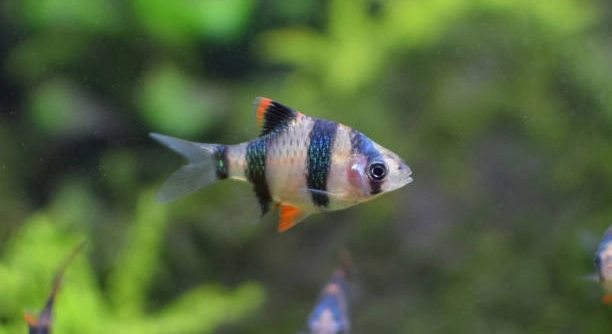
Keeping tiger barbs in a properly sized tank is important for their health and happiness. Many owners do not realize when their aquarium becomes too small. Recognizing the signs early can prevent stress and health issues for your fish.
A tank that is too small for tiger barbs limits their swimming space, causes poor water quality, and increases aggression and stress levels. These conditions negatively impact their growth, behavior, and overall well-being, making tank size a critical factor in their care.
Knowing when your tank is too small helps ensure your tiger barbs thrive and stay healthy for a long time. This article will explain the key signs to watch for and how to improve their environment.
Limited Swimming Space
Tiger barbs are active swimmers that need plenty of room to move freely. When the tank is too small, they may start showing signs of restlessness or sluggishness because they cannot swim as much as they naturally want to. Limited space also increases competition among the fish, leading to more stress and even aggression. If you notice your tiger barbs sticking close to the surface or corners more than usual, this can be a sign that their environment feels cramped. A cramped tank also makes it harder for the fish to establish their territories, which is important for their social behavior. Providing enough space helps reduce tension and promotes healthier activity levels. Keeping a minimum of 20 gallons for a small group of tiger barbs is often recommended to ensure they have adequate space to thrive.
Restricted swimming space can reduce overall fish health and increase stress.
Giving your tiger barbs a larger tank or adding more hiding spots can help improve their comfort. When they have more room, you’ll often see them swimming actively and interacting more naturally. This extra space can lower aggression and promote better growth. In small tanks, water quality also deteriorates faster, which adds more problems for your fish. Larger tanks maintain cleaner water longer and allow for more stable conditions. If expanding your tank isn’t possible, consider reducing the number of fish to keep a better balance. Observing how your tiger barbs behave daily will guide you in deciding if their tank is the right size.
Poor Water Quality
Water quality tends to decline quickly in small tanks due to less water volume and limited filtration capacity. Waste from fish and leftover food builds up faster, raising harmful ammonia and nitrate levels. These conditions can cause health problems like fin rot, sluggishness, or even death. Regular testing and water changes become more critical when the tank is small. Even with good maintenance, a small tank may not support a larger group of tiger barbs without frequent intervention. Signs like cloudy water, algae overgrowth, or unusual fish behavior often point to poor water conditions. Improving filtration or increasing tank size helps maintain a healthier environment, reducing stress and disease risks for your fish. Good water quality is essential to keep your tiger barbs vibrant and active.
Increased Aggression
Tiger barbs are naturally social but can become aggressive in tight spaces. When the tank is too small, stress and territorial disputes increase, leading to fin nipping and chasing. This behavior can harm weaker fish and reduce overall tank harmony.
Aggression often rises because fish have less room to escape or establish their space. In cramped tanks, tiger barbs may focus more on competing with each other than on healthy activities like feeding and swimming. This tension causes injuries and stress, which lowers their immune systems and makes them more vulnerable to disease. Aggression also affects how peaceful the tank feels overall, making it less enjoyable to watch.
To reduce fighting, ensure your tank size matches your group size. Adding plants or decorations can provide hiding spots to ease tension. Keeping at least six tiger barbs together helps spread aggression across the group, preventing any one fish from being targeted.
Stunted Growth
When tiger barbs live in a small tank, their growth can slow down or stop altogether. Limited space restricts movement and reduces oxygen levels, which affects their overall health and development.
Stunted growth is a common issue caused by poor water quality and stress in small tanks. Crowded conditions limit the nutrients available and increase competition for food. Even if you feed well, the environment may not support proper growth. Fish may appear smaller than normal or develop deformities due to these stressful factors. It’s important to monitor their size regularly and compare it to typical growth patterns for their age.
Improving tank size and maintaining good water conditions encourage healthy growth. Larger tanks offer more oxygen and space for fish to thrive. If growth seems limited, upgrading the tank or reducing the number of fish can help your tiger barbs reach their full potential. Regular water testing and proper feeding also support better development.
Frequent Disease Outbreaks
Small tanks create stressful conditions that weaken tiger barbs’ immune systems. Poor water quality and overcrowding make diseases spread quickly, leading to frequent outbreaks.
Diseases like fin rot and ich are common in cramped tanks. Without enough space, fish cannot avoid infected tank mates, increasing the risk of illness.
Constant Stress
Tiger barbs in small tanks often show signs of constant stress, such as hiding or rapid breathing. This stress reduces their lifespan and weakens their natural defenses.
Stress can come from limited space, poor water quality, and aggression. Creating a better environment with enough room and clean water helps reduce this problem significantly.
Reduced Activity
Tiger barbs need room to swim actively. In a small tank, they often become less active, spending more time hiding or resting. This decrease in movement can be a sign the tank is too small.
FAQ
How do I know if my tiger barb tank is too small?
You can tell by observing your fish’s behavior and tank conditions. Signs include increased aggression, stunted growth, poor water quality, and less active fish. If your tiger barbs seem cramped or stressed, the tank may be too small for the number of fish you have.
What is the ideal tank size for tiger barbs?
A minimum of 20 gallons is recommended for a small group of six tiger barbs. This size provides enough swimming space, reduces aggression, and helps maintain better water quality. Larger tanks are even better if you want to keep more fish or add plants and decorations.
Can a small tank harm my tiger barbs?
Yes, a small tank can cause stress, increase aggression, and lead to health problems. Poor water quality builds up quickly in small tanks, causing diseases. Limited space also restricts swimming and can stunt growth. Over time, this harms their overall well-being.
How often should I clean a small tiger barb tank?
Small tanks require frequent maintenance. You should perform water changes of about 20-30% at least once a week to keep ammonia and nitrate levels low. Regular testing is important because water quality can change quickly in a small volume.
Can decorations help if my tank is small?
Decorations and plants provide hiding places and break up line of sight between fish. This can reduce aggression and stress in small tanks. However, they do not replace the need for adequate swimming space. Decorations should not overcrowd the tank further.
Is it better to have fewer tiger barbs in a small tank?
Yes, reducing the number of fish can improve conditions in a small tank. Fewer fish produce less waste and have more room to swim. This lowers stress and improves water quality, helping keep your tiger barbs healthier.
What happens if aggression gets out of control?
If aggression becomes severe, fish may get injured or lose fins. Constant fighting stresses all fish and can lead to illness. If this happens, increasing tank size or separating aggressive fish may be necessary to restore peace.
Can I keep tiger barbs alone?
Tiger barbs are schooling fish and do best in groups of at least six. Keeping them alone can cause loneliness and unusual behavior. A group provides social interaction that reduces stress and aggression.
How do I improve water quality in a small tank?
Use a reliable filter suitable for your tank size and perform regular water changes. Avoid overfeeding and clean the substrate regularly. Testing water parameters weekly helps catch problems early. Adding live plants can also help absorb nitrates.
How long do tiger barbs live in proper conditions?
With good care and an appropriate tank size, tiger barbs can live 5 to 7 years or more. Providing enough space, clean water, and proper nutrition supports their health and longevity.
Can tank size affect tiger barb color?
Yes, stress from overcrowding or poor conditions can dull their colors. When given enough space and a healthy environment, tiger barbs show brighter and more vibrant colors.
Are there signs of stress I should watch for?
Watch for rapid breathing, hiding, loss of appetite, or unusual swimming patterns. These can indicate stress from a too-small tank or poor water quality. Acting quickly helps prevent more serious health issues.
What is the best way to upgrade a small tank?
Upgrade to a larger tank gradually, moving your fish carefully to avoid stress. Make sure the new tank is fully cycled before adding fish. Add decorations and plants to make it comfortable but keep swimming space open.
Is overcrowding the only reason for poor water quality?
No, overfeeding and insufficient filtration also worsen water quality. Even with fewer fish, poor maintenance can lead to unhealthy water. Consistent care and proper tank size together create the best environment.
Can tiger barbs live in community tanks?
Yes, but the tank must be large enough to accommodate all species comfortably. Avoid keeping tiger barbs with slow or delicate fish, as they may nip fins. Adequate space reduces aggression and stress in mixed tanks.
Keeping tiger barbs in the right-sized tank is very important for their health and happiness. When the tank is too small, it creates many problems that can harm the fish. They may become stressed, aggressive, or sick because their space is limited and water quality suffers. A properly sized tank gives tiger barbs room to swim freely and behave naturally. This helps them stay active and healthy over time.
A tank that is too small can cause poor water conditions to develop quickly. Ammonia and nitrates build up faster in smaller volumes of water, which can be dangerous to fish. This makes it harder to keep the tank clean and safe without constant maintenance. When water quality drops, tiger barbs can get diseases or show signs of stress, such as hiding or breathing fast. By providing a larger tank, it is easier to keep the water stable and healthy, which supports the well-being of your fish.
In addition to water quality, space affects tiger barbs’ behavior. Crowded tanks increase aggression, as fish have less room to swim away from each other or establish territories. This can lead to fin nipping and stress, reducing their lifespan. Tiger barbs also need room to grow properly; limited space can stunt their growth and affect their colors. Paying attention to tank size, group size, and tank maintenance will help your tiger barbs live a long, healthy life. A little effort in choosing the right tank size goes a long way in keeping these lively fish happy.

Hello,
If you enjoy the content that we create, please consider saying a "Thank You!" by leaving a tip.
Every little bit helps us continue crafting quality advice that supports the health, happiness, and well-being of pets around the world, for pets of all shapes, sizes, and species.
We really appreciate the kindness and support that you show us!