
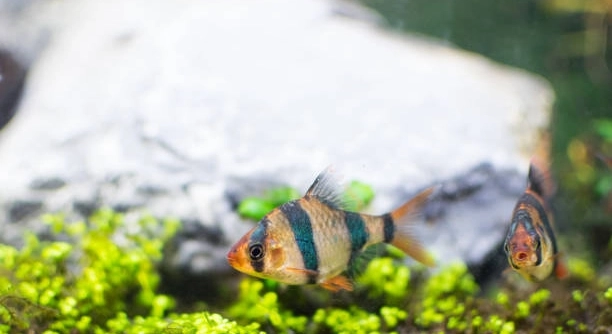
Are your tiger barbs acting restless or showing unusual behavior in their tank? Temperature plays a key role in their health and comfort. Keeping the tank too warm can cause stress and impact their well-being.
When a tiger barb tank is too hot, fish often display signs like rapid gill movement, lethargy, loss of appetite, and faded colors. Excessive heat reduces oxygen levels in the water, leading to respiratory difficulties and increased stress, which can harm their health.
Recognizing these signs early helps maintain a balanced environment for your fish’s long-term health and happiness in their aquatic home.
Rapid Gill Movement and Heavy Breathing
When your tiger barbs’ gills move quickly or they seem to be gasping for air, it often means the water temperature is too high. Warmer water holds less oxygen, so fish must work harder to breathe. This extra effort can tire them out and cause stress, which makes them vulnerable to diseases. You might notice your fish hovering near the surface or near the filter where oxygen levels are higher. If the water stays too warm for long periods, it could seriously affect their health and lifespan. Keeping a reliable thermometer in the tank helps you monitor the temperature closely. Adjusting the heater or increasing aeration can ease the strain on your fish and improve their breathing.
Rapid gill movement is an early warning sign of heat stress. It should not be ignored.
Taking prompt action to lower the tank temperature will help your tiger barbs recover quickly and stay healthy.
Lethargy and Reduced Activity
Fish that are too hot often become less active and may hide more than usual. High temperatures slow their metabolism, making them sluggish and less responsive. You might notice your tiger barbs resting at the bottom of the tank or floating near decorations without much movement. This behavior can be a clear indication that their environment is uncomfortable. Keeping the tank cooler helps maintain their normal energy levels and encourages natural swimming and social behavior. Providing a stable temperature between 74°F and 78°F supports their overall well-being and activity.
Lethargy is a sign your tiger barbs are not thriving in their environment.
If left untreated, prolonged heat stress can lead to serious health problems.
Regularly checking the water temperature and making small adjustments ensures your fish remain lively and engaged in the tank.
Loss of Appetite and Faded Colors
High water temperature can cause tiger barbs to lose interest in food and gradually fade in color. This happens because their bodies are stressed and not functioning properly. When fish stop eating, they weaken quickly, making them more prone to infections. Faded colors indicate poor health and discomfort, reducing the visual appeal of your tank. It is important to maintain a stable and suitable temperature to keep your fish vibrant and eating well. If you notice these signs, try cooling the water slightly and observe if your fish improve. Feeding small, frequent meals during recovery can also help encourage appetite.
Addressing temperature issues early will protect your fish’s health and appearance.
A stable environment is essential for bright colors and healthy eating habits.
Clamped Fins
Clamped fins are a clear sign your tiger barbs are uncomfortable. When the water temperature is too high, they tend to hold their fins close to their bodies instead of spreading them out.
This behavior signals stress or illness caused by excessive heat. Clamped fins reduce movement and can make fish look smaller or less vibrant. When fish are stressed, their immune system weakens, increasing the risk of infections. Keeping the tank cooler and stable helps prevent this condition. Observing this sign early allows you to adjust the temperature before serious problems develop.
If the water remains too warm, clamped fins may worsen, leading to lethargy or other health issues. Regular water testing and monitoring will keep your tiger barbs healthy and comfortable.
Increased Aggression and Irritability
Higher tank temperatures can make tiger barbs more aggressive and irritable. As their metabolism speeds up, they may become territorial or nip at each other more often, causing stress within the group.
Aggression in an overheated tank is often linked to discomfort and overcrowding. When fish are stressed by heat, they have less tolerance for companions. To reduce aggression, maintain the proper temperature range and provide enough space for each fish. Adding plants or hiding spots can also lower stress levels and help calm your tiger barbs.
Ignoring aggressive behavior caused by heat may result in injuries or long-term stress that weakens your fish. Managing temperature and environment improves their social balance and overall health.
Erratic Swimming Behavior
Erratic swimming, like darting or crashing into the tank walls, often happens when tiger barbs are stressed by heat. This behavior shows they are uncomfortable and trying to escape unfavorable conditions.
This kind of swimming is harmful, increasing the risk of injury and exhaustion. Cooling the tank usually calms them down.
Frequent Surface Gulping
When the water temperature is too high, oxygen levels drop, forcing tiger barbs to gulp air frequently at the surface. This is a survival response to low oxygen availability and indicates the tank environment is unsuitable.
Sudden Weight Loss
High temperatures can cause your tiger barbs to lose weight quickly. Stress and poor appetite combine, leading to weakened bodies. Monitoring weight helps detect heat problems early before more serious illness develops.
Poor Immune Response
Overheating weakens your fish’s immune system. They become more vulnerable to infections and parasites, increasing the risk of disease outbreaks in your tank.
FAQ
How can I tell if my tiger barb tank is too hot?
Signs include rapid gill movement, lethargy, faded colors, clamped fins, erratic swimming, and frequent surface gulping. Monitoring your tank temperature regularly with a reliable thermometer is essential. If your fish display any of these behaviors, the water is likely too warm.
What is the ideal temperature range for tiger barbs?
Tiger barbs thrive best between 74°F and 78°F (23°C to 26°C). Temperatures above this range reduce oxygen levels and cause stress, leading to health problems. Maintaining a stable temperature within this window supports their activity, appetite, and vibrant colors.
How can I safely lower the temperature in my tank?
Start by turning off or adjusting the heater if possible. Increasing aeration with an air pump or adding a fan near the water surface can help cool the tank. Partial water changes with cooler water also reduce temperature quickly but avoid drastic changes to prevent shock.
Can too low a temperature harm tiger barbs?
Yes. Temperatures below 72°F (22°C) can slow their metabolism too much, causing sluggishness and vulnerability to disease. It’s important to keep the temperature steady within their preferred range for optimal health.
Why do tiger barbs become aggressive in warm water?
Higher temperatures speed up metabolism, making fish more active and territorial. This can increase nipping and fighting, especially if the tank is crowded or lacks hiding spots. Maintaining the right temperature and sufficient space helps reduce aggression.
Is frequent surface gulping always caused by high temperature?
Not always. While low oxygen due to heat is a common reason, poor water quality or overstocking can also cause this behavior. Regular testing and proper filtration are necessary to ensure a healthy environment.
How often should I check the temperature in my tiger barb tank?
Daily monitoring is ideal, especially in warm weather or when using a heater. Sudden changes can stress your fish, so keeping a close watch helps prevent problems early.
What are the risks of keeping a tiger barb tank too hot long-term?
Chronic heat stress weakens the immune system, leading to increased illness and shorter lifespan. It can also cause permanent damage to organs and disrupt normal behaviors such as feeding and breeding.
Can adding plants help with tank temperature?
Live plants can provide shade and help oxygenate the water, slightly easing temperature stress. However, they won’t replace proper temperature control methods like a thermostat or cooling devices.
What should I do if my tiger barbs show signs of heat stress?
Lower the temperature gradually, improve aeration, and do partial water changes with cooler water. Observe your fish closely and adjust care as needed. If symptoms persist, consider consulting a vet or aquatic specialist.
These answers will help you maintain a comfortable and healthy environment for your tiger barbs, reducing the risks associated with overheating.
Keeping your tiger barb tank at the right temperature is important for the health and happiness of your fish. When the water gets too warm, it can cause many problems that affect their behavior, appearance, and overall well-being. Paying close attention to signs like rapid gill movement, lethargy, clamped fins, and aggression will help you catch temperature issues early. These signs tell you that your fish are uncomfortable and may be struggling to breathe or stay healthy. Monitoring the water temperature regularly with a reliable thermometer is a simple step that can prevent many of these problems. Maintaining a stable temperature within the ideal range of 74°F to 78°F will keep your tiger barbs active, colorful, and thriving.
If you notice your fish showing signs of heat stress, it is important to act quickly but carefully. Lowering the temperature gradually avoids shocking the fish while still helping them recover. Increasing aeration and performing partial water changes with cooler water can improve oxygen levels and make the tank environment more comfortable. Avoid sudden or extreme temperature changes, as these can cause more harm than good. Providing enough space and hiding spots also reduces stress and aggression caused by higher temperatures. Taking these steps helps your tiger barbs return to their normal behavior and reduces the risk of long-term health issues.
In the end, the key to caring for your tiger barbs is creating a balanced and stable environment. Temperature control is just one part of that, but it plays a major role in keeping your fish healthy and happy. Being aware of the signs that indicate your tank is too hot allows you to prevent serious problems before they develop. Regular maintenance, careful temperature monitoring, and attention to your fish’s behavior all contribute to a thriving tank. By following these simple guidelines, you can enjoy watching your tiger barbs swim actively and display their bright colors for a long time.

Hello,
If you enjoy the content that we create, please consider saying a "Thank You!" by leaving a tip.
Every little bit helps us continue crafting quality advice that supports the health, happiness, and well-being of pets around the world, for pets of all shapes, sizes, and species.
We really appreciate the kindness and support that you show us!