
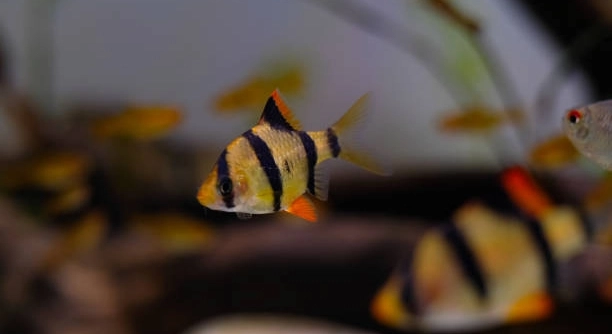
Is your tiger barb acting differently or swimming in strange patterns that seem out of the ordinary for their usual behavior?
The most common reason your tiger barb may seem stressed or aggressive is due to a lack of space in the tank. Tiger barbs are active, social fish that require ample room to swim and establish a natural hierarchy.
Giving them a better environment starts with understanding their space needs and how confinement affects their health and behavior.
They’re Constantly Chasing Each Other
Tiger barbs are naturally active, but constant chasing can be a sign of overcrowding. When space is limited, these fish become territorial and aggressive. The lack of swimming room creates tension within the group, especially if there are too few hiding spots or uneven numbers in the shoal. In a cramped tank, even the usual pecking order behavior becomes more intense. This can result in stress, torn fins, and even injury. More space allows them to swim freely, reducing the need to assert dominance so often. A wider tank with open areas and structured sections gives them room to behave naturally without constant conflict. You’ll notice calmer, more balanced activity levels once space issues are addressed.
Chasing might look playful, but it often comes from stress or overcrowding. Giving your tiger barbs more room can ease that tension and help restore peace in the tank.
When a tank is too small, the fish have no room to escape each other. Tiger barbs are schooling fish that thrive in groups of six or more. If their tank is undersized, they’ll compete for territory and space, leading to ongoing chasing behavior. Increasing the tank size gives them enough distance to swim comfortably and relieves stress across the group.
They Seem Restless Even After Feeding
If your tiger barbs continue to dart around after meals, it may be because they’re uncomfortable in their space.
Feeding usually calms most fish, but tiger barbs that remain hyperactive afterward may be trying to release built-up energy. In smaller tanks, they don’t have the space to do this naturally. Even if they’re well-fed and healthy, they can act out due to confinement. This leads to pacing, fast swimming, or hovering around the glass. Over time, this behavior may wear them down. A more spacious tank with room to explore helps them stay active without becoming restless. It also gives them the mental stimulation they need to feel secure. Tiger barbs need both physical and visual breaks, like plants or decorations, to reset their behavior. Simply upgrading the size of the tank can reduce the signs of restlessness and create a more stable, happy environment for them to thrive in.
Their Colors Are Starting to Fade
When tiger barbs lose their bright colors, it’s often due to ongoing stress. A cramped tank can make them feel unsafe, which affects both their health and appearance. Dull or pale coloring is one of the first signs something isn’t right.
In a well-sized tank, tiger barbs show off rich, vibrant shades. But when their environment feels too small, they become anxious, which leads to physical changes. Their immune systems weaken under constant stress, making them more prone to illness. Color fading doesn’t always mean disease—it can be the result of mental strain. A larger tank with proper filtration and areas to hide gives them space to breathe, literally and figuratively. This helps bring their natural colors back. You’ll likely see them perk up and become more interactive when they’re not under pressure.
Poor water quality from overcrowding also plays a role in fading colors. Too many fish in a small tank causes waste to build up faster than the filter can handle. Ammonia spikes and poor oxygen levels wear down the fish’s overall health. Once the tank is properly sized, there’s better flow and more stable conditions. Healthy water, enough room to swim, and reduced stress all help restore their bright, striped appearance over time.
They’re Always Hovering Near the Surface
If your tiger barbs are spending a lot of time near the surface, it could mean they’re not getting enough oxygen. This often happens when a tank is too small and poorly ventilated.
In smaller tanks, oxygen levels drop quickly—especially with active fish like tiger barbs. A crowded tank can’t support the amount of oxygen needed for all the fish to breathe comfortably. Hovering near the top is their way of trying to access more oxygen-rich water. This behavior isn’t normal for them and can be a sign they’re struggling. A larger tank helps in two ways: it improves water circulation and supports better gas exchange at the surface. Adding a bubbler or adjusting the filter can also help increase oxygen flow. Once the tank is big enough and oxygen levels are steady, your tiger barbs will spend more time swimming around instead of gasping near the top.
They Hide More Than Usual
Tiger barbs are active swimmers, so hiding constantly usually means something is off. In a small tank, they can feel trapped or unsafe, leading them to spend more time behind plants, decorations, or in corners.
Overcrowding can cause stress from too much competition and not enough space to move. This makes them withdraw.
They Aren’t Schooling Properly
Tiger barbs are social fish and usually move together in a tight group. When they start swimming apart or isolating themselves, it can be a sign they feel uncomfortable in the tank. In smaller tanks, they don’t have enough room to form and maintain a healthy school. This affects how they communicate and interact with one another. Schooling is a natural behavior that helps them feel safe, but without space, they lose this bond. A larger tank helps them stay connected, reducing anxiety and helping them feel secure. It’s one of the easiest ways to bring back their natural rhythm.
You Notice Sudden Aggression
When space is limited, tiger barbs may become more aggressive than usual. This is their way of trying to control territory and relieve stress, especially when there’s nowhere to retreat.
FAQ
How many tiger barbs should I keep together to avoid stress?
Tiger barbs are social fish and do best in groups of six or more. Keeping too few can lead to bullying and aggression, as they form a strict pecking order. In smaller groups, one or two may become targets for the others. A larger group spreads out this behavior and helps them feel secure. Always make sure the tank size matches the group—at least 20 to 30 gallons for six tiger barbs. Adding more without enough space can increase stress and water quality issues. A balanced number and enough room keep things calm and healthy.
What size tank is best for tiger barbs?
A 20-gallon tank is the bare minimum for a small group of six tiger barbs. However, a 30-gallon tank or larger is better, especially if you plan to keep more fish or add other species. Tiger barbs are fast swimmers and need horizontal space to move. In smaller tanks, they become restless and aggressive. Larger tanks provide more swimming room, reduce stress, and improve water stability. Always choose a tank with a long shape rather than a tall one to give them the space they need to swim comfortably.
Can tiger barbs live with other fish in a larger tank?
Yes, tiger barbs can live with other fish if the tank is large enough and the tank mates are chosen carefully. Avoid slow-moving or long-finned species like bettas or guppies—they tend to nip at them. Good tank mates include other active fish like danios, loaches, or certain types of tetras. Having a large enough space helps reduce aggressive behavior. Make sure there are enough hiding places and open swimming areas to keep the environment balanced. Always monitor behavior after introducing new fish, as even peaceful setups can change quickly.
Why are my tiger barbs suddenly hiding or acting nervous?
Sudden changes in behavior like hiding or staying in one spot may point to environmental stress. Common causes include poor water quality, a tank that’s too small, or a disrupted social group. If they don’t feel safe or comfortable, they’ll avoid open spaces. Check water parameters first. If those are fine, consider whether the tank is too crowded. Giving them more space and adding decorations or plants can help them feel secure again. Also, make sure they’re in a group of at least six so they have social support.
Do tiger barbs need plants or decorations in their tank?
Yes, tiger barbs benefit from having both open swimming areas and places to hide. While they’re active and like to move around, they also need visual breaks and areas to rest. Live or artificial plants, rocks, driftwood, and other decorations create natural barriers and help reduce stress. These features also give less dominant fish a place to retreat when needed. A well-decorated tank helps mimic their natural environment, which supports better behavior and health. Just make sure decorations don’t take up too much swimming room.
How can I tell if my tank is overcrowded?
Signs of overcrowding include aggressive behavior, fish hiding more than usual, reduced appetite, or poor water quality. You might also notice your tiger barbs swimming erratically or gasping at the surface. Use the rule of thumb: one inch of fish per gallon, but also consider species activity and space needs. Tiger barbs are more active than many other fish, so they need more space per fish than the general rule suggests. A well-sized tank, paired with good filtration and regular maintenance, helps avoid overcrowding issues.
Will upgrading the tank size fix aggression issues right away?
In many cases, yes. Giving tiger barbs more space reduces their need to fight for territory or dominance. Aggression might not stop immediately, but you’ll often see improvement within a few days. They’ll have more room to spread out, establish better group dynamics, and avoid constant contact. Add hiding spots and keep the group balanced to speed up the adjustment. If one fish remains aggressive, it may be best to isolate it for a short period before reintroducing it to the group in the larger space.
Can too much activity mean the tank is too small?
Yes, excessive swimming, glass surfing, or frantic movement can be signs your tiger barbs feel cramped. While they are naturally energetic, constant high-speed activity may be their way of trying to cope with a lack of room. Over time, this can lead to stress and exhaustion. If you notice this behavior often, it’s worth checking your tank size, layout, and water quality. Increasing the size or rearranging the tank to include more swimming zones and rest areas can help calm them down and make their movement feel more natural.
Final Thoughts
Tiger barbs are energetic, social fish that need plenty of space to swim, explore, and interact with each other. When they don’t have enough room, their behavior often changes in clear and noticeable ways. You might see them chasing each other more often, hiding, or swimming near the surface. These are not just random habits—they are signs that your fish are uncomfortable in their environment. A small tank can cause stress, weaken their immune systems, and make them more aggressive toward each other. Over time, this can lead to poor health, faded colors, or even injury. By noticing these changes early, you can take simple steps to improve their living space and help them feel more at ease.
Upgrading to a larger tank is one of the best things you can do for tiger barbs. It gives them more space to form proper schools and move freely without constantly running into each other. A well-sized tank also helps keep the water cleaner and more stable, which is important for their overall health. With extra room, they become more active in a natural way, less aggressive, and more confident in exploring their surroundings. You’ll likely notice their colors becoming brighter and their behavior more balanced. They may start to school again, show interest in food, and use the entire tank instead of just a small corner or the surface. A larger tank doesn’t just make things look nicer—it gives your fish the environment they need to thrive.
Caring for tiger barbs doesn’t need to be complicated, but giving them the right space is an important part of meeting their needs. A healthy tank supports both their physical and mental well-being. Along with regular cleaning and balanced feeding, providing a roomy and well-decorated environment helps prevent many common problems. If you’ve noticed signs that your tiger barb might need more space, now is a good time to consider making a change. Watching them grow more comfortable and display their natural behavior is not only good for the fish—it also makes your aquarium more enjoyable to watch. Small changes, like upgrading the tank size or adding more hiding spots, can make a big difference in how your tiger barbs live and interact.

Hello,
If you enjoy the content that we create, please consider saying a "Thank You!" by leaving a tip.
Every little bit helps us continue crafting quality advice that supports the health, happiness, and well-being of pets around the world, for pets of all shapes, sizes, and species.
We really appreciate the kindness and support that you show us!