
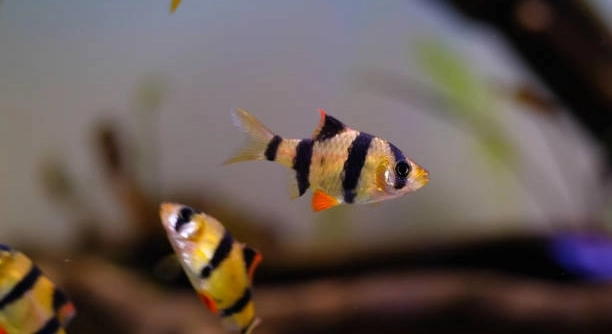
Are your tiger barbs showing signs of aggression that disrupt your aquarium’s balance? These lively fish can sometimes become overly territorial or hostile, making tank life stressful for other inhabitants. Recognizing aggressive behavior early is important for a peaceful environment.
Tiger barbs exhibit aggression through chasing, fin nipping, and dominance displays. Excessive aggression can cause injury or stress to tank mates and indicates an imbalance in social dynamics or habitat conditions. Identifying seven key signs helps in managing and reducing this behavior effectively.
Understanding these signs can improve your aquarium’s harmony and ensure all fish thrive. Learning to spot early warning signals is essential for any tiger barb keeper.
Signs of Chasing and Nipping
One of the most common signs of aggression in tiger barbs is their habit of chasing other fish around the tank. This behavior can quickly stress out more peaceful species. The chasing often escalates to fin nipping, where the tiger barbs bite at the fins of their tank mates. This not only causes physical damage but also increases the risk of infections. The fish being targeted may hide more or become less active. In some cases, injured fish may lose their color or appetite. It is important to watch how often chasing and nipping occur and whether it affects the health of other fish. If left unchecked, this behavior can cause lasting harm to the aquarium community and make it difficult to keep multiple species together.
Aggression that leads to chasing and fin nipping needs to be managed to keep all fish safe and stress-free.
Reducing aggression can involve increasing the tank size, adding plants or decorations for hiding spots, and keeping tiger barbs in groups of at least six. This group size helps distribute aggression among themselves instead of targeting other fish. Adjusting water conditions to suit tiger barbs better and providing enough food can also reduce stress-driven aggression. Monitoring the tank regularly helps catch problems early and keep the environment peaceful.
Dominance and Territory Marking
Dominance behavior in tiger barbs includes posturing and defending certain areas of the tank. They may repeatedly swim through the same paths or chase away fish that enter their preferred spots. This territorial behavior is a way for them to assert control but can cause tension in a shared space. When a dominant tiger barb claims territory, other fish may be forced to stay in less desirable areas with limited resources. The dominant fish may also display brighter colors during these times to intimidate others. This can lead to stress or injury in less aggressive fish.
Aggressive territorial behavior disrupts the balance of the aquarium and must be addressed to prevent harm.
Addressing territorial aggression starts with understanding the natural instincts of tiger barbs. They are schooling fish that prefer living in groups, which helps lessen dominance issues. Ensuring the tank is large enough to accommodate their social structure can reduce competition over space. Adding plants, rocks, or other decorations creates natural boundaries, allowing fish to establish separate zones and avoid constant conflict. Feeding multiple times a day and providing enough food reduces competition. If a single tiger barb continues to dominate aggressively, it may need to be separated to protect other fish. Watching how fish interact daily and making adjustments supports a healthier, more balanced tank environment.
Excessive Aggression Toward Tank Mates
Aggression toward tank mates shows when tiger barbs consistently attack other fish without provocation. This behavior causes visible injuries and distress.
Tiger barbs that repeatedly nip or chase other fish disrupt the social harmony of the tank. Such actions increase stress levels for all fish, lowering their immune response and causing illness. In tanks with slower or more peaceful species, aggressive behavior can lead to hiding or refusal to eat. If aggression persists, it may be necessary to separate the tiger barbs or reconsider tankmates to prevent ongoing harm.
Controlling excessive aggression involves providing ample space, hiding spots, and proper group sizes. Observing interactions closely helps catch signs early. Adjusting feeding routines and tank conditions can reduce triggers. If necessary, isolating the most aggressive individuals keeps others safe and promotes a healthier tank environment.
Signs of Stress and Injury
Stress and injury are clear signs your tiger barb’s aggression is harmful. Fin damage, torn scales, and faded colors often result from fights.
Stress caused by aggressive behavior affects fish health deeply. Injured fish may lose appetite and become lethargic, which increases vulnerability to infections. Stress also weakens immune systems, making recovery harder. Both the aggressor and victims can show signs of stress, as constant fighting affects the entire tank dynamic. Regularly inspecting fish for wounds and changes in behavior helps maintain a healthy environment.
Preventing stress and injury requires balancing tank conditions, managing aggression levels, and providing safe spaces. Frequent water changes and stable water parameters support healing. Addressing aggression early reduces long-term damage and helps preserve the well-being of all fish in the aquarium.
Overcrowding in the Tank
Overcrowding increases stress and aggression among tiger barbs. Too many fish in a small space heightens competition for food and territory.
Reducing crowding helps lower aggressive behavior. A larger tank or fewer fish creates a more balanced environment, allowing fish to establish their own space without constant conflict.
Lack of Hiding Spots
Without enough hiding places, fish feel exposed and vulnerable, which can increase aggression and stress in tiger barbs. Providing ample shelter is essential.
Adding plants, rocks, and decorations gives fish areas to retreat. This helps reduce chasing and allows less aggressive fish to avoid conflict, improving overall tank harmony.
Improper Diet
A poor diet can increase aggression by causing stress and competition. Tiger barbs need a balanced diet rich in nutrients to stay calm and healthy.
Feeding a varied diet with high-quality flakes, pellets, and occasional live or frozen foods supports their energy needs. Regular feeding schedules reduce food competition and aggressive behaviors triggered by hunger or nutrient deficiency.
What causes tiger barbs to be aggressive?
Tiger barbs are naturally semi-aggressive fish. Their aggression usually stems from territorial instincts, competition for food, and social hierarchy within the group. Overcrowding, lack of hiding spots, or improper tank conditions can increase this behavior. Stress and poor diet may also worsen aggression, leading to frequent chasing and fin nipping.
How many tiger barbs should I keep together to reduce aggression?
Keeping tiger barbs in groups of six or more helps spread out their aggression. When in smaller numbers, they tend to pick on other fish or each other. A larger group allows them to form a social structure, which reduces the chance of one fish becoming overly dominant or aggressive.
Can tiger barbs live peacefully with other fish?
Tiger barbs can coexist with other species if the tank is large enough and the other fish are fast or robust enough to avoid constant harassment. Avoid slow-moving or long-finned fish, as they often become targets. Providing hiding places and monitoring behavior helps maintain peace.
How can I tell if my tiger barb is too aggressive?
Signs include frequent chasing, fin nipping, territorial behavior, and visible injuries on other fish. Aggressive tiger barbs may also display brighter colors and act restless. When aggression causes stress in tank mates or leads to physical harm, it has become problematic and needs attention.
What should I do if one tiger barb is more aggressive than the others?
Sometimes, one fish dominates the group. If this happens, you can try separating that individual temporarily or permanently. Increasing the number of tiger barbs to dilute aggression or rearranging tank decorations can help. If aggression continues, rehoming the aggressive fish might be necessary to protect others.
Does tank size affect aggression in tiger barbs?
Yes, tank size is very important. Smaller tanks restrict movement and increase competition for territory and food. Larger tanks allow fish to spread out and establish their own spaces, which reduces aggressive encounters and stress.
What role does diet play in tiger barb aggression?
A balanced diet reduces stress and hunger-driven aggression. Feeding high-quality flakes, pellets, and occasional live or frozen foods provides necessary nutrients. Uneven or insufficient feeding can cause competition and fighting. Feeding smaller amounts multiple times a day helps prevent aggression around feeding time.
Can adding plants and decorations reduce aggression?
Yes, plants and decorations create hiding spots and break sight lines between fish. This reduces territorial disputes and gives shy or injured fish places to retreat. A well-decorated tank lowers overall stress and supports a more peaceful environment.
Is it normal for tiger barbs to nip fins?
Some fin nipping is normal behavior, especially in small groups or mixed species tanks. However, excessive fin nipping causing injury or stress is a sign of aggression that should be managed. Providing adequate space and group sizes helps reduce this behavior.
How often should I check my tank for aggression signs?
Daily observation is best to catch early signs of aggression. Look for chasing, hiding fish, torn fins, or changes in color and behavior. Early intervention prevents injuries and helps maintain tank harmony.
Can stress cause tiger barbs to become aggressive?
Yes, stress from poor water quality, overcrowding, or inadequate hiding spots can increase aggression. Stress weakens fish and makes aggressive behaviors worse. Keeping water clean, providing enough space, and minimizing disturbances reduce stress and aggression.
What is the best way to introduce tiger barbs to a community tank?
Introduce tiger barbs last, after other fish are established. Add them in groups of six or more to reduce bullying. Rearranging decorations before adding them can disrupt established territories and reduce aggression. Monitor closely after introduction to address any issues quickly.
Can aggression affect the health of tiger barbs?
Yes, aggressive interactions cause physical injuries and stress, lowering immune response. Injured fish are more prone to infections and disease. Managing aggression is essential for maintaining good health and longevity in tiger barbs.
Should I use medication to calm aggressive tiger barbs?
Medication is generally not recommended solely for aggression. Addressing environmental factors like tank size, group size, and habitat setup is more effective. If fish are injured or sick due to fighting, medication may be needed to treat wounds or infections, but it does not solve aggression itself.
What tank mates are best suited for tiger barbs?
Fast, robust fish such as danios, barbs, and larger tetras are better tank mates. Avoid slow, long-finned, or very small fish that can be targeted. Matching temperament and size helps reduce stress and aggression within the tank.
Can aggressive behavior be completely eliminated in tiger barbs?
No, some level of aggression is natural for tiger barbs. The goal is to manage and reduce excessive aggression to prevent harm. Proper tank setup, social grouping, diet, and regular monitoring all contribute to a calmer, healthier aquarium environment.
Understanding aggression in tiger barbs is important for maintaining a healthy aquarium. These fish have natural instincts that sometimes cause aggressive behavior. This behavior can affect the well-being of other fish in the tank. Recognizing signs like chasing, fin nipping, and territorial displays helps fish keepers act before problems worsen. Proper care and management reduce stress and improve harmony in the tank.
Managing aggression involves several key steps. Keeping tiger barbs in groups of six or more helps balance their social interactions. Providing a large enough tank with plenty of hiding spots gives fish space to avoid constant conflict. Feeding a balanced diet regularly reduces competition for food. Monitoring water quality and making sure it stays stable also lowers stress levels. If aggression becomes extreme, separating aggressive individuals can protect the rest of the fish.
Patience and attention are essential in caring for tiger barbs. Each tank is different, so observing fish behavior daily helps catch issues early. Small changes to the environment can make a big difference in reducing aggression. Over time, these efforts create a peaceful space where tiger barbs and their tank mates can live comfortably. Understanding and responding to aggression supports the long-term health of the aquarium community.

Hello,
If you enjoy the content that we create, please consider saying a "Thank You!" by leaving a tip.
Every little bit helps us continue crafting quality advice that supports the health, happiness, and well-being of pets around the world, for pets of all shapes, sizes, and species.
We really appreciate the kindness and support that you show us!