
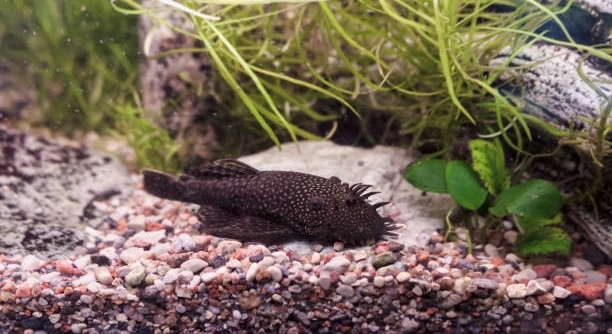
Are you noticing signs that your pleco might be struggling in its current tank setup?
A tank that is too small for a pleco can lead to stress, poor growth, and health issues. Plecos require space to thrive, and not having enough room can hinder their ability to live a healthy, active life.
If you’re concerned about your pleco’s well-being, there are specific signs to watch for that can help you determine if your tank is too small. Understanding these signs will help you create a better environment for your pleco’s needs.
1. Your Pleco Is Spending Too Much Time Near the Surface
Plecos are bottom-dwelling fish, which means they usually spend most of their time on the tank’s floor. If you notice your pleco spending more time near the surface, it could indicate that the tank is too small. A cramped environment makes it hard for them to find their preferred hiding spots or access enough space to move freely. In small tanks, plecos can feel trapped, causing them to adjust their behavior and swim near the surface.
A pleco’s desire to remain near the surface can also be a sign of oxygen depletion. With insufficient space, water circulation may not be optimal, leading to a reduction in oxygen levels. This makes the pleco stay at the top, where oxygen is more readily available.
If your pleco is frequently swimming near the surface, consider upgrading to a larger tank. A larger tank will offer more room for your pleco to explore, and better filtration will improve water quality, making the environment healthier for your fish.
2. Slow or Stunted Growth
A small tank can hinder your pleco’s growth rate. When confined to a tiny space, plecos often don’t have access to enough food, room to swim, or proper filtration. These conditions can lead to stunted growth, meaning your pleco won’t reach its full size potential.
Plecos grow large, often reaching lengths of 12 to 24 inches. If the tank size is too small, they may not grow properly and may show signs of stress, including a decrease in appetite. If you’re concerned that your pleco is not growing as it should, the tank size is likely a major factor.
As your pleco matures, it will need ample space to grow. Ensuring the tank is the correct size for your pleco will help it grow at a healthy rate, and provide it with the comfort it needs to thrive. A spacious tank promotes better overall health, both physically and mentally.
3. Water Quality Deteriorates Quickly
When a tank is too small for a pleco, the water quality can drop rapidly. Plecos are messy eaters, and without enough space, waste builds up quickly. In small tanks, filtration systems may not keep up with the increased waste, leading to poor water conditions. This affects your pleco’s health.
A small tank means less water to dilute harmful substances like ammonia and nitrates. These toxins can build up fast and cause stress to your pleco, making it harder for them to thrive. Consistent poor water quality can result in diseases or a weakened immune system, affecting their lifespan.
To prevent this, a larger tank with a good filtration system helps maintain water quality and keeps toxins at bay. Regular water changes and monitoring ammonia, nitrate, and nitrite levels will also ensure your pleco’s environment stays clean and healthy.
4. Aggression from Tankmates
When a pleco is housed in a small tank, it may not only suffer from physical space limitations but also from social stress. Plecos are peaceful fish, but in confined spaces, they might feel threatened by more aggressive tankmates. This can lead to constant stress, which weakens their immune system.
Aggressive behavior from other fish can be exacerbated by the lack of space, as there’s nowhere for your pleco to escape. It may begin to hide more often or even stop eating. A stressed pleco will have a lower resistance to disease, making it more vulnerable.
By upgrading to a larger tank, the pleco can establish its own space and avoid frequent conflicts with other fish. This will allow your pleco to feel more secure and less stressed, promoting better health and a calmer temperament. Properly matching tankmates will also contribute to a peaceful environment for all inhabitants.
5. Excessive Algae Growth
A small tank can cause algae to grow rapidly, especially if there’s not enough space for proper filtration. Plecos are algae eaters, but in overcrowded tanks, the algae can outgrow their ability to keep it under control. This can lead to unhealthy water conditions.
Algae blooms in small tanks due to an imbalance in nutrients. Without sufficient water circulation or filtration, excess nutrients like phosphates and nitrates build up, feeding the algae. This makes it harder for your pleco to maintain a clean environment, and the water quality worsens.
To prevent excessive algae growth, increase water circulation, maintain a proper filtration system, and ensure the tank size is adequate for your pleco. This helps to keep both algae and toxins under control, promoting a healthier environment.
6. Difficulty with Feeding
If your pleco is in a tank that’s too small, it may struggle to find enough food. Plecos are scavengers, often feeding on leftover food or algae, but in small tanks, food can be scarce. Competition for food can lead to underfeeding.
In smaller tanks, it’s also harder to create the right environment for your pleco’s natural feeding behavior. Your pleco might not have enough space to search for food, and other tankmates may get to the food first. This can cause your pleco to go hungry, weakening its health.
Proper tank size allows food to spread more evenly and lets your pleco search for its meals. A larger tank creates more opportunities for your pleco to find food, ensuring it stays healthy and nourished.
7. Increased Stress Levels
Stress is one of the biggest signs your tank is too small for a pleco. When the space is limited, your pleco can’t escape from the hustle and bustle of other fish. Stress weakens the immune system and makes the pleco more vulnerable to illness.
In a cramped tank, your pleco may feel crowded and uncomfortable. It might hide more often or become more aggressive. Stress affects their appetite and can lead to other behavioral changes, all of which can impact their overall well-being.
Ensuring your pleco has enough space will reduce stress and encourage healthier behavior. A larger tank gives them room to swim and explore, which results in a happier, more active pleco.
FAQ
What size tank does a pleco need?
A pleco needs a tank that is at least 75 gallons to thrive, especially for larger species. Smaller tanks can stunt their growth and cause health issues. The more space, the better, as it gives the pleco room to swim and explore. For smaller pleco species, a tank size of 30 to 50 gallons may be sufficient, but they will still need space for their natural behaviors.
Can plecos live in a 10-gallon tank?
No, plecos should not be kept in a 10-gallon tank, even as juveniles. While they may fit for a short time, they grow large and need much more space to stay healthy. A 10-gallon tank is far too small for a full-grown pleco, and it could result in stunted growth and stress.
How often should I clean a pleco’s tank?
You should clean your pleco’s tank regularly to maintain water quality. Perform partial water changes once a week, removing about 25-30% of the water. Cleaning the tank includes wiping down surfaces, removing excess food or waste, and checking the filter. The more frequent the cleaning, the better your pleco’s environment will be.
What happens if a pleco is in a tank that is too small?
If a pleco is housed in a tank that is too small, it can suffer from a range of issues, including stunted growth, aggression, and poor water quality. They may experience stress, leading to a weakened immune system, and could even stop eating. Over time, this will shorten their lifespan.
Can I put multiple plecos in the same tank?
Yes, you can keep multiple plecos in the same tank, but only if it is large enough to accommodate them. Plecos can be territorial, so make sure the tank is spacious with plenty of hiding spots. Adding more plecos to a small tank can increase stress, aggression, and competition for food.
Do plecos need a filter?
Yes, plecos need a filter to maintain good water quality. They produce a lot of waste, and a filter helps to keep toxins like ammonia and nitrates in check. Without proper filtration, water quality can deteriorate quickly, which could harm your pleco. Make sure the filter is suitable for the size of your tank.
How fast do plecos grow?
Plecos grow quickly, especially in the first year of life. Most plecos can grow between 1 to 2 inches per month during their early growth stages. If housed in a small tank, their growth may slow down or even become stunted due to the lack of space and proper nutrition.
Why is my pleco hiding all the time?
Plecos are naturally shy and tend to hide when they feel stressed or threatened. If your pleco is constantly hiding, it could be due to inadequate tank size, aggressive tankmates, or poor water quality. Ensure the tank is large enough and that the pleco has plenty of hiding spots to feel secure.
How do I know if my pleco is stressed?
Stressed plecos exhibit behaviors like hiding frequently, losing their appetite, or swimming erratically. They may also scrape against objects in the tank or become aggressive. Stress can be caused by several factors, including overcrowding, poor water quality, or unsuitable tankmates. A stressed pleco often has a weakened immune system, making it more prone to diseases.
Can I keep a pleco with other fish?
Yes, plecos can generally live with other peaceful fish. However, you should avoid placing them with aggressive or overly territorial fish. Plecos can be territorial as well, especially as they grow. Ensure that your tank is large enough to accommodate all the fish and provide sufficient hiding spots.
What type of food do plecos eat?
Plecos are mostly herbivores and will eat algae, vegetables, and plant matter. Common food options include blanched zucchini, spinach, and algae wafers. Some species may also eat small amounts of protein. It’s important to provide a balanced diet to ensure your pleco stays healthy.
Can plecos live without algae?
Plecos rely on algae as part of their diet, but they can survive without it if they are provided with supplemental food like algae wafers, vegetables, and other plant matter. However, an aquarium that has a natural algae supply can help replicate a more natural environment for them.
What is the lifespan of a pleco?
The average lifespan of a pleco is around 10 to 15 years, depending on the species and care they receive. Plecos can live longer if they are provided with the right tank size, water quality, and diet. A well-maintained environment will contribute to a longer, healthier life for your pleco.
Do plecos need a heater in their tank?
Most pleco species prefer warm water, typically between 74-80°F (23-27°C). If your tank water drops below this range, you may need to use a heater to keep it stable. It’s important to ensure the water temperature is consistent and within the optimal range for your pleco’s species.
Final Thoughts
Ensuring that your pleco has the right-sized tank is essential for its well-being. These fish can grow quite large, and if they are kept in a tank that is too small, it can lead to health issues. Small tanks limit their ability to move around freely and cause unnecessary stress. Plecos are bottom-dwelling fish, and they need space to swim, forage, and hide. Without enough room, they may struggle to thrive, and their growth could be stunted. So, providing a larger tank with proper filtration and water conditions is crucial to maintaining a healthy environment.
Besides size, there are other factors to consider, such as tank mates and water quality. Plecos are peaceful creatures but can become stressed when placed in a cramped space or with aggressive tank mates. Overcrowded tanks can also lead to poor water quality, as waste builds up faster than it can be filtered. This can negatively affect your pleco’s health and lead to problems like algae overgrowth or even disease. Regular water changes, along with proper filtration, will help keep the water clean and reduce the chances of toxins building up in a smaller tank.
Overall, providing a larger tank with proper care ensures your pleco will be happy and healthy for years. It’s important to remember that plecos are not small fish, and their needs grow as they do. If you’re unsure whether your pleco’s current tank is too small, it’s a good idea to consider upgrading it before any health problems arise. By giving your pleco the space it needs, you’re setting the foundation for a long, healthy life.

Hello,
If you enjoy the content that we create, please consider saying a "Thank You!" by leaving a tip.
Every little bit helps us continue crafting quality advice that supports the health, happiness, and well-being of pets around the world, for pets of all shapes, sizes, and species.
We really appreciate the kindness and support that you show us!