
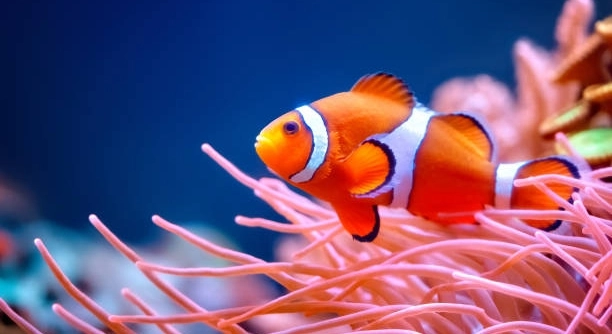
Keeping clownfish in a tank can be rewarding, but overcrowding may cause problems. Many fish owners do not realize when their tank becomes too crowded, which can affect the fish’s health and behavior. Recognizing signs early is important for a balanced aquarium.
A tank is considered too crowded for clownfish when the fish exhibit stress behaviors, reduced swimming space, increased aggression, and poor water quality due to excess waste. Overcrowding compromises oxygen levels and overall tank stability, negatively impacting clownfish well-being and growth.
Knowing these signs helps maintain a healthy environment for clownfish. Proper tank management supports their comfort and longevity, preventing common issues linked to crowding.
Limited Swimming Space
Clownfish need enough room to swim freely to stay healthy. When a tank is overcrowded, the swimming space shrinks, which stresses the fish. You might notice your clownfish spending more time hiding or resting at the bottom. They may seem less active or avoid certain areas. This lack of space affects their natural behavior and reduces their ability to exercise. It also causes competition for the limited territory available, increasing tension among fish. Providing adequate swimming space is essential to keep clownfish comfortable and prevent stress-related health issues. When tanks are too small or too packed, clownfish cannot display their normal swimming patterns, which impacts their overall well-being.
Shrinking swimming space forces clownfish into tight spots, causing discomfort and stress.
If you notice your clownfish acting withdrawn or swimming in tight circles, it could be due to insufficient space. This restriction limits their natural movement and increases aggressive interactions. Over time, this stress weakens their immune system and can lead to disease. Making sure the tank size matches the number of fish is critical. It also helps to arrange decorations and plants to maximize open areas. By creating a spacious environment, you promote healthier, happier clownfish that can thrive and display their natural behaviors without constant stress.
Increased Aggression
When clownfish tanks become crowded, aggressive behavior tends to rise. Clownfish are territorial by nature, and overcrowding increases competition for space and resources. You may see more chasing, biting, or fin nipping among the fish. These behaviors are signs of stress caused by limited territory and overcrowding. Even normally peaceful clownfish may become hostile when their space feels threatened. This aggression can lead to injuries or fatigue, weakening the fish and making them vulnerable to illness. Managing the population density helps reduce conflicts and keeps the tank peaceful.
Aggression in clownfish rises with overcrowding due to territorial disputes.
In an overcrowded tank, clownfish struggle to establish and defend territories. This struggle results in frequent fights and tension, which affects their overall health. Aggressive interactions waste energy and reduce time spent on normal activities like feeding and resting. Constant stress from aggression lowers immune function and increases susceptibility to disease. To minimize this, tank owners should avoid overstocking and provide enough hiding spots or separate territories. Careful monitoring of behavior allows early detection of aggression, so adjustments can be made before injuries occur. Keeping a balanced population creates a calm environment that supports clownfish health and longevity.
Poor Water Quality
Overcrowded tanks often suffer from poor water quality because waste builds up faster than filtration can handle. Excess waste from too many clownfish can lead to harmful ammonia and nitrite levels. This environment stresses fish and promotes illness. Regular water testing becomes crucial in crowded tanks.
Maintaining water quality in a crowded tank requires frequent water changes and effective filtration. Overcrowding increases the bioload, meaning more waste production from fish and leftover food. Without proper filtration, toxins accumulate quickly, harming clownfish health. These toxins reduce oxygen levels and cause stress, weakening the fish’s immune system. Fish in poor water conditions may show lethargy, discoloration, or abnormal breathing. Using high-quality filters and performing regular partial water changes help control toxin levels. Testing water parameters such as ammonia, nitrite, nitrate, and pH is important to ensure safe conditions for your clownfish.
Regular maintenance in an overcrowded tank involves more than cleaning. It requires monitoring water quality daily to prevent toxic buildup. Avoid overfeeding to reduce waste. Increasing water circulation helps oxygenate the tank, supporting fish health. Ensuring proper filtration capacity for the tank’s population size is essential. Overcrowding creates a delicate balance where water conditions can quickly deteriorate, so proactive care is necessary. With consistent maintenance, you can protect clownfish from the harmful effects of poor water quality and keep them thriving despite a busy tank.
Signs of Stress in Clownfish
Stress in clownfish often appears through changes in behavior and appearance. Look for signs like loss of color, hiding, or erratic swimming. These indicators often relate to overcrowding and poor living conditions.
Stress weakens clownfish, making them vulnerable to diseases. When a tank is too crowded, fish have less space and more competition, which increases stress. Stressed clownfish may stop eating or become more aggressive. They can develop physical symptoms such as faded colors or damaged fins. Stress also lowers their immune response, increasing the risk of infections like ich or fin rot. Monitoring fish behavior regularly helps catch stress early, allowing corrective measures like reducing tank population or improving water quality to be implemented quickly. Identifying these signs is critical to maintaining a healthy aquarium and ensuring the well-being of your clownfish.
Increased Waste Production
More clownfish produce more waste, which quickly impacts water quality. Overcrowding means filtration systems must work harder to keep the tank clean and safe.
If waste accumulates, toxins build up and can harm fish. Regular tank maintenance and monitoring are essential to manage waste in crowded conditions.
Reduced Growth and Health
Overcrowding limits resources like food and space, which can stunt clownfish growth. Fish may struggle to get enough nutrition and suffer from constant stress. This leads to weaker immune systems and higher chances of illness. Providing enough room and proper feeding supports healthy development and vitality in clownfish.
Difficulty Maintaining Stable Environment
With more fish, maintaining stable water parameters becomes challenging. Overcrowded tanks are prone to fluctuations in temperature, pH, and oxygen levels, which stress clownfish and affect their health.
Hiding Behavior
Clownfish may hide more when the tank is crowded. This behavior is a response to stress and lack of personal space.
FAQ
How many clownfish can I keep in one tank?
The number of clownfish you can keep depends on the tank size. A common guideline is one clownfish per 20 gallons of water. This space allows them enough room to swim, establish territories, and reduce stress. Smaller tanks with too many clownfish lead to overcrowding and health problems. It’s better to have fewer fish in a larger tank than crowd a small space.
What size tank is best for clownfish?
A 30 to 50-gallon tank is ideal for a small group of clownfish, such as a pair or trio. Larger tanks provide more swimming space and help maintain stable water conditions. Tanks under 20 gallons are usually too small for multiple clownfish, increasing the risk of overcrowding and aggression.
What signs indicate my tank is overcrowded?
Signs include aggressive behavior like chasing and biting, clownfish hiding often, poor water quality, and visible stress such as faded colors or labored breathing. You may also notice excessive waste buildup and algae growth. These signs mean your tank’s bioload is too high and the environment is not balanced.
Can overcrowding cause diseases in clownfish?
Yes. Overcrowding stresses clownfish, weakening their immune systems and making them more susceptible to diseases like ich, fin rot, and bacterial infections. Poor water quality from excess waste also increases disease risks. Preventing overcrowding helps keep fish healthier.
How often should I clean my tank if it’s crowded?
Crowded tanks need more frequent maintenance. Partial water changes of 20-30% weekly are recommended to reduce toxins and keep water clean. You may also need to clean filters more often. Regular testing of water parameters is essential to catch problems early.
What can I do if my tank is overcrowded?
If overcrowding occurs, reduce the number of clownfish or upgrade to a larger tank. Improving filtration and increasing water changes can help temporarily. Rearranging tank decorations to create more hiding spots may reduce aggression. Long term, managing fish numbers and tank size is the best solution.
Is it normal for clownfish to be aggressive in a crowded tank?
Yes. Clownfish are territorial, and limited space increases competition for territory, leading to aggression. Even peaceful clownfish can become hostile when crowded. Providing enough space and hiding places reduces aggression.
Can overcrowding affect clownfish breeding?
Overcrowding can negatively impact breeding. Stressed clownfish may stop spawning or care less for eggs. A spacious, calm environment encourages healthy breeding behaviors. Keeping appropriate numbers and a stable tank helps ensure successful reproduction.
How do I know if water quality is poor?
Poor water quality often causes cloudy water, foul odors, algae overgrowth, and visible waste buildup. Fish may breathe rapidly or act lethargic. Testing ammonia, nitrite, nitrate, and pH levels regularly provides clear information about water health.
Can I keep other fish with clownfish in a crowded tank?
Adding other fish to an already crowded clownfish tank is not recommended. It increases bioload, waste, and competition for space. This often leads to stress and aggression. Consider tank size and population limits before adding any fish species.
Overcrowding in a clownfish tank can lead to several problems that affect the fish’s health and happiness. When too many clownfish share limited space, it creates stress and competition. These conditions make it harder for the fish to swim freely and establish territories. The result can be aggressive behavior, reduced growth, and weakened immune systems. Maintaining the right balance between the number of clownfish and the size of the tank is important to avoid these issues.
Water quality is another key factor that suffers when a tank is overcrowded. More fish produce more waste, which increases the levels of harmful substances like ammonia and nitrites. Without proper filtration and regular maintenance, these toxins build up quickly, causing stress and illness in clownfish. Regular water testing and cleaning become necessary to keep the environment safe. Providing adequate space for the fish also helps keep water conditions stable by reducing the waste load.
Taking care of clownfish means paying close attention to their behavior and environment. Signs such as hiding, aggression, or faded colors often point to overcrowding or poor conditions. Addressing these issues early by adjusting the tank size, population, or maintenance routine can improve fish health and well-being. Keeping a balanced and clean tank supports the natural behaviors and longevity of clownfish, ensuring they thrive in their aquatic home.

Hello,
If you enjoy the content that we create, please consider saying a "Thank You!" by leaving a tip.
Every little bit helps us continue crafting quality advice that supports the health, happiness, and well-being of pets around the world, for pets of all shapes, sizes, and species.
We really appreciate the kindness and support that you show us!