
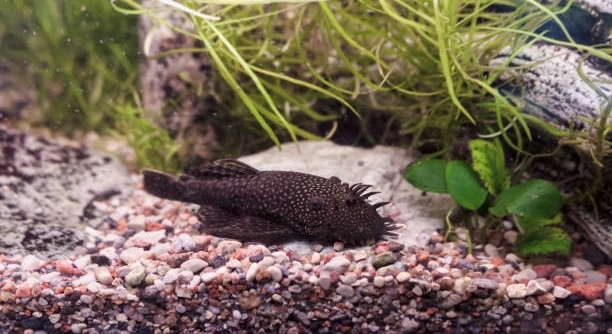
Too much light in your tank can have negative effects on your plecos. If you’re noticing changes in their behavior or health, it could be due to excessive brightness. Understanding the right conditions is key for their well-being.
Plecos are nocturnal creatures, and bright lighting can cause stress and disrupt their natural behaviors. Excessive light exposure may lead to skin issues, reduced feeding, and even aggression among tank mates. Proper lighting is essential for their comfort.
Adjusting the lighting in your tank can improve your pleco’s health and overall comfort. Understanding the importance of balance is crucial for creating a peaceful environment for your aquatic pets.
Why Light Is Important for Plecos
Plecos are sensitive to their environment, especially when it comes to light. They are naturally found in dark, shaded waters where the light is minimal. In a tank, excessive lighting can interfere with their natural behaviors and stress them out. When a pleco is exposed to bright light, it may try to hide more often, losing its usual sense of comfort. Over time, this stress can lead to physical signs like skin discoloration or weakened immune systems. For plecos to thrive, providing proper lighting conditions is essential to their health.
Proper tank lighting should mimic the natural cycle of day and night. Too much light may disrupt their sleep and feeding habits. It is crucial to replicate natural conditions to avoid disturbing their routine. Using dimmer lights or adjustable lighting timers can help.
The stress from constant exposure to harsh lighting may also cause plecos to be less active. They are nocturnal creatures, and in the wild, they are used to darker, more shaded spaces. By providing softer, more natural light, you can allow them to feel secure in their surroundings, encouraging healthier behaviors. Having a consistent light schedule helps plecos maintain their natural cycles.
Signs Your Pleco Is Uncomfortable
If your pleco is consistently hiding or less active than usual, it may be a sign of discomfort.
Excessive light often leads to more than just behavioral changes. Plecos may become physically affected as well. Prolonged exposure to bright lighting can result in skin irritation or increased vulnerability to disease. It’s important to keep their environment balanced and avoid overexposure.
Lighting and Pleco Behavior
If your pleco is swimming erratically or constantly hiding, too much light could be the issue.
Plecos are naturally shy and prefer dimmer, more shaded environments. When exposed to bright lighting, they may display abnormal behaviors like increased hiding or reduced movement. These actions are signs that the pleco feels stressed and uncomfortable. Bright lights also interfere with their feeding habits, as they are nocturnal creatures. They may avoid eating during the day and wait until the lights are off to feed. Maintaining a balanced light schedule can help restore normal behavior and comfort.
The effect of light on plecos goes beyond behavior. Prolonged exposure to high-intensity lighting can cause them to become overly stressed, leading to weakened immune systems and potential health issues. When plecos do not have enough time in the dark to rest, they may not recover from the stress as quickly. Light is not just a visual factor; it plays a crucial role in their overall well-being. Keeping lighting at a moderate level and introducing periods of darkness can help the pleco feel more secure and reduce the risk of stress-induced health problems.
Adjusting Your Tank’s Lighting
Adjusting the light level is essential for your pleco’s comfort and health.
Consider using a timer to control the lighting cycle in your tank. A typical cycle should include 10-12 hours of light per day with a similar amount of darkness at night. Avoid using bright, high-wattage bulbs, as these can be harsh on your pleco. Instead, opt for softer, dimmer lights. If possible, use LED lights that can be adjusted for intensity. By providing a more natural day-night cycle, you help your pleco maintain a healthier lifestyle and avoid the stress that comes from excessive light exposure.
The Right Lighting for Your Tank
The right lighting can help your pleco feel safe and secure.
Avoid bright, direct lighting that can create stress. Instead, use lights that mimic natural conditions. Your pleco will thrive under moderate, dim lighting that follows a natural day-night cycle. Choose LED lights or low-wattage bulbs to maintain a comfortable atmosphere for them.
Light Timers for Consistency
Using a timer is an easy way to maintain consistency in your pleco’s environment.
Setting the lights to turn on and off at regular intervals helps establish a stable routine. A consistent light cycle mimics the natural light patterns in their wild habitat. This allows your pleco to rest and feed according to their biological clock, reducing stress.
Signs of Stress from Lighting
Watch for signs of stress when adjusting lighting, such as excessive hiding or reduced feeding.
If your pleco continues to hide or is not eating as usual despite changes in lighting, further adjustments might be needed. It’s important to monitor their behavior and make sure the light is not too intense.
FAQ
What is the best type of light for plecos?
The best type of light for plecos is one that mimics natural conditions. LED lights or low-wattage bulbs work well, as they provide softer light and are energy-efficient. It’s important to avoid bright, harsh lighting, as it can stress plecos. Try using lights that can be adjusted for brightness and set them to replicate the natural cycle of day and night.
How many hours of light should a pleco tank have?
Plecos thrive with about 10 to 12 hours of light each day, followed by 12 hours of darkness. This simulates the natural light cycle they would experience in the wild. Consistency is key. A timer can help ensure that the lights come on and off at the same time every day, providing your pleco with a predictable environment.
Can plecos live in brightly lit tanks?
While plecos can live in brightly lit tanks, they are not well-suited for such environments. Plecos are nocturnal and prefer dim or shaded waters. Constant exposure to bright light can stress them, reduce their activity, and disrupt their natural behaviors, such as feeding and resting.
Do plecos need dark periods to stay healthy?
Yes, plecos need dark periods to stay healthy. Being nocturnal creatures, they rest during the day and are most active at night. A consistent dark period helps them feel safe and secure, reducing stress and promoting normal behaviors. Without proper rest, their immune system can weaken, leading to potential health issues.
How do I know if the light in my tank is too bright for my pleco?
If your pleco is constantly hiding, swimming erratically, or seems overly stressed, the lighting may be too bright for them. Plecos may avoid eating during the day and become more active only at night. If these behaviors persist, it could indicate the need to adjust the light intensity or duration.
Can I use a light timer for my pleco tank?
Yes, using a light timer is a great way to regulate the lighting in your pleco’s tank. A timer ensures the light turns on and off at the same time every day, providing consistency. This helps your pleco maintain a regular day-night cycle, improving its health and reducing stress.
What happens if my pleco is exposed to too much light?
Exposing your pleco to too much light can cause stress, leading to behavior changes like hiding, aggression, or reduced feeding. Over time, excessive light exposure can weaken your pleco’s immune system and make them more susceptible to illness. It’s important to balance the light exposure to keep them comfortable.
How can I reduce stress caused by bright lights in my pleco tank?
To reduce stress caused by bright lights, try using dimmer lighting or LED lights that can be adjusted. Ensure that the light cycle mimics natural conditions, with periods of darkness to allow your pleco to rest. You can also place tank decorations or plants to create shaded areas where your pleco can hide and feel safe.
Do plecos need natural sunlight?
Plecos do not require direct natural sunlight. In fact, too much natural sunlight can heat up the tank and cause temperature fluctuations, which can stress your pleco. Instead, use artificial lighting that simulates natural conditions without exposing the tank to harsh sunlight. This provides a stable and comfortable environment.
How can I create a comfortable environment for my pleco?
To create a comfortable environment for your pleco, provide dim or filtered lighting, with a consistent light and dark cycle. Avoid bright, direct lights, and give your pleco plenty of hiding spots with rocks, driftwood, and plants. Maintain stable water conditions, including temperature and pH, to ensure your pleco feels safe and secure in its habitat.
Should I adjust my pleco’s lighting if it’s not eating?
Yes, if your pleco is not eating, lighting could be the cause. Bright lighting can disrupt their feeding habits, as they prefer to feed at night. Try adjusting the light intensity or turning it off during feeding times to encourage your pleco to eat. Also, check for other factors like water quality or tank mates that might be contributing to the issue.
Is there a specific light spectrum I should use for plecos?
Plecos don’t require a specific light spectrum, but it’s best to choose a light that is gentle and provides a natural, balanced illumination. Full-spectrum LED lights work well because they are energy-efficient and adjustable. The goal is to avoid overly bright, harsh lighting that may stress your pleco, so aim for a softer, dimmer light that simulates their natural environment.
Can plecos handle a tank with no light?
While plecos can tolerate a tank with no light for short periods, they still need some light to establish a day-night cycle. Complete darkness for long periods can disrupt their natural behaviors. It’s important to provide some form of lighting to simulate a normal cycle, but avoid excessive brightness that could cause stress.
Should I reduce the light if my pleco is constantly hiding?
If your pleco is constantly hiding, it could be a sign that the light is too bright. Plecos prefer dim lighting and tend to retreat to dark spaces when they feel stressed. Reducing the intensity of the light or using a timer to control the light cycle can help your pleco feel more comfortable and less inclined to hide.
Can I use a light that changes colors for my pleco tank?
Using a color-changing light for your pleco tank is not recommended. Bright, color-shifting lights can disturb their natural rhythm and stress them out. It’s best to use soft, white or blue lights that mimic natural daylight. Keeping the light cycle consistent is more important for your pleco’s well-being than having flashy, changing colors.
Final Thoughts
Maintaining the right lighting in your pleco tank is essential for their health and well-being. Plecos are nocturnal creatures that thrive in environments with soft, dim lighting. Bright lights can cause them stress and disrupt their natural behaviors, such as feeding and resting. By using proper lighting, you create a comfortable environment that allows your pleco to feel secure and active at the right times. Understanding their need for darkness and adjusting the lighting to simulate a natural day-night cycle is a simple yet important step in caring for them.
In addition to proper lighting, other factors like water quality, tank decorations, and temperature also contribute to the overall health of your pleco. Ensure your tank has hiding spots, plants, and driftwood where your pleco can rest and feel safe. Maintaining a stable water temperature and pH level is also important. Stress from poor tank conditions can lead to illness or behavioral issues in your pleco. Paying attention to all aspects of their environment ensures they stay healthy and comfortable.
Lastly, keep in mind that every pleco is different, and their lighting needs may vary. While general recommendations work for most plecos, observing their behavior will help you fine-tune the lighting for their specific needs. If your pleco seems stressed or is hiding more than usual, it may be a sign that the lighting is too intense. Reducing the brightness or providing more shaded areas can make a big difference. Regularly checking on your pleco’s well-being and adjusting their environment as needed will help ensure a happy, healthy life for your fish.

Hello,
If you enjoy the content that we create, please consider saying a "Thank You!" by leaving a tip.
Every little bit helps us continue crafting quality advice that supports the health, happiness, and well-being of pets around the world, for pets of all shapes, sizes, and species.
We really appreciate the kindness and support that you show us!