
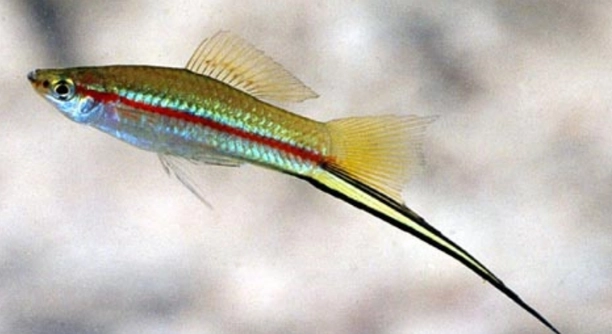
Are your swordtails acting off or showing signs of stress even though everything else seems right in their tank setup?
Swordtails are sensitive to water hardness, and signs like frayed fins, odd swimming behavior, and slow growth may indicate the water is too hard. Monitoring and adjusting hardness is essential for their well-being.
Recognizing these signs early can help you create a healthier and more stable environment for your swordtails to thrive in.
Cloudy Water with Mineral Deposits
Hard water often leaves visible signs in your tank. A cloudy appearance, especially when paired with white crusty buildup on the glass or equipment, usually points to high mineral content. These mineral deposits, mostly calcium and magnesium, can alter the overall water chemistry. Swordtails may tolerate slightly hard water, but if levels go beyond their comfort zone, stress and health issues can arise. You might also notice that the filter requires more frequent cleaning or the heater collects white scale. All these signs indicate that the hardness levels are no longer ideal and need adjustment. Regular testing helps track these changes before they start affecting your fish.
White spots on the heater or filter housing are a common visual sign of mineral buildup caused by excess hardness.
Keeping the water clear and minimizing buildup not only improves tank appearance but also supports a more stable environment. Frequent testing and softening measures help keep things balanced.
Changes in Swimming Behavior
Swordtails may begin swimming oddly or staying in one area when the water is too hard. They might struggle to maintain buoyancy or seem less active. These changes are typically related to stress caused by poor water quality.
High mineral content affects more than just the tank’s appearance. It impacts the fish’s ability to regulate internal processes. When the water becomes too hard, the imbalance can lead to sluggish behavior, gasping near the surface, or erratic swimming. These reactions are signs that the fish are trying to adapt to an uncomfortable environment. Over time, their immune system weakens, making them more likely to get sick. Addressing this means gradually softening the water through partial water changes with distilled or RO water. It’s also helpful to monitor GH and KH levels consistently and avoid overcompensating, which could swing the balance too far in the other direction. Maintaining stability is just as important as fixing hardness levels.
Faded Colors and Poor Scale Condition
Swordtails kept in hard water may start losing their vibrant colors. Bright reds, oranges, and yellows can appear dull or washed out. Their scales may also seem rougher, less reflective, or uneven, showing signs of environmental stress.
Hardness affects the skin and scales by altering how minerals interact with the fish’s outer layers. When these levels remain elevated, it interferes with nutrient absorption and hydration. Over time, the fish’s natural coloring becomes muted, and the protective slime coat may thin. This opens the door to irritation and infections. You may notice minor flaking or a dull, patchy appearance. Feeding a high-quality diet helps, but it won’t fix the root of the problem if water hardness remains high. Keep an eye on GH and consider using a softening pillow or peat moss to reduce mineral content gradually without shocking the system.
Long-term exposure to hard water also weakens a swordtail’s outer barrier. Without a healthy slime coat, fish become more vulnerable to bacteria and fungi. You may see white patches, frayed edges on fins, or small abrasions on the skin. These symptoms often appear alongside color loss, giving you a fuller picture of how your fish are affected. Correcting the water conditions can help reverse most of these changes.
Slower Growth in Juvenile Swordtails
Young swordtails may grow slower when kept in water that is too hard. The excess minerals can interfere with proper nutrient absorption and internal balance, which are both essential for healthy development and steady growth during their early stages.
Inconsistent growth among the fry or smaller body sizes even with regular feeding can signal a problem. If the water is hard, it’s likely affecting how nutrients are being used. Regular testing and softening adjustments help support healthier development.
Frequent Illness or Poor Recovery
Hard water can weaken a swordtail’s immune system over time. Fish exposed to high mineral levels are more likely to experience repeated illness or slower healing. Even minor injuries may take longer to recover, and treatments might not work as effectively in poor water conditions.
Egg-Laying Issues in Females
Female swordtails may experience more stress and irregular birthing patterns in hard water. Frequent stillbirths or difficulty during labor are signs to watch.
FAQ
What is considered hard water for swordtails?
Water with a general hardness (GH) over 12 dGH is typically considered hard for swordtails. While they can tolerate a range, the ideal is usually between 8–12 dGH. When hardness climbs beyond this range, especially past 15 dGH, problems can begin to show. Signs like dull coloring, scale changes, and behavior shifts may become noticeable. Testing water regularly is the best way to stay within the safe zone. Use a liquid test kit instead of strips for more accurate readings, and track results weekly if possible.
How can I test water hardness at home?
You can use a GH and KH liquid test kit, which is widely available at pet stores or online. These kits come with reagents that you drop into a water sample. Count the drops until the color changes to determine the hardness level. This gives you a reading in degrees of hardness (dGH or dKH). Digital meters are another option, but they tend to cost more and are usually used for larger setups or reef systems. Testing once a week helps you spot changes before they cause problems in the tank.
Is hard water always harmful for swordtails?
Not always. Swordtails are moderately hardy and can adapt to a range of conditions, but long-term exposure to excessively hard water can create health issues. The biggest risks come from prolonged stress, poor scale health, and lowered immune response. Occasional exposure to slightly higher hardness isn’t a major concern, but consistent high levels above 15 dGH can lead to the signs discussed earlier in the article. If your tap water is naturally hard, it’s worth using softening methods to maintain a safer range.
Can water softeners harm fish?
Some can. Household water softeners that use sodium or potassium are not recommended for aquarium use. These systems exchange calcium and magnesium for sodium, which can be dangerous in high amounts. Instead, use aquarium-safe methods such as mixing distilled or reverse osmosis (RO) water with tap water. Peat moss, driftwood, and certain softening pillows can also reduce hardness without adding harmful compounds. Always make changes slowly to avoid shocking your fish.
What’s the difference between GH and KH?
GH (general hardness) measures the amount of calcium and magnesium in the water. KH (carbonate hardness) measures the buffering capacity, or how well the water resists pH changes. Both are important for fish health. GH directly affects physical health, scale condition, and osmoregulation. KH helps maintain stable pH, which prevents stress from sudden fluctuations. While they are related, adjusting one doesn’t always affect the other. It’s important to test and monitor both to understand your tank’s stability.
Can high hardness be temporary?
Yes, especially if caused by evaporation or certain substrates. When water evaporates, minerals stay behind, which can raise GH over time. Some gravels, rocks, or decorations—like limestone or crushed coral—can slowly release minerals into the tank, increasing hardness. These changes might not be obvious at first, so regular testing is key. If you notice creeping hardness, increase the frequency of partial water changes with softened or RO water. Also, check your tank materials for anything that may be contributing to the issue.
How fast should I lower water hardness?
Gradually. Sudden changes in hardness or pH can shock your swordtails and cause more harm than good. Aim to reduce GH by no more than 2–3 dGH per week. This can be done through partial water changes using distilled or RO water. You can also use peat moss or softening pillows in the filter. Monitor levels after each change, and watch your fish closely for signs of improvement or stress. Slow adjustments give them time to adapt and recover safely.
Final Thoughts
Keeping swordtails healthy starts with understanding the conditions they need, and water hardness is a key part of that. When the water is too hard, it gradually affects many parts of their well-being. You might see changes in their behavior, appearance, or even how often they get sick. These signs may not show up right away, but over time, the stress adds up. Fish living in unsuitable water conditions tend to age faster, experience weakened immunity, and develop issues that are harder to reverse once they begin. By staying aware of the water’s hardness and adjusting it when needed, you give your swordtails a better chance at a healthy, active life.
To start improving your tank conditions, get a reliable test kit and check both GH and KH. Knowing where your water stands makes it easier to decide what steps are needed. If the levels are too high, you can begin softening the water gradually. A mix of distilled or reverse osmosis water with your usual tap water helps bring hardness down without causing sudden changes. Adding natural elements like peat moss or driftwood can also slowly soften the water while keeping the aquarium environment more natural. These methods are safe and allow fish to adapt at a comfortable pace. It’s also helpful to avoid materials in the tank that might raise hardness, such as limestone-based gravel or decorative rocks that contain calcium.
Routine maintenance and consistency play a big role in keeping swordtails comfortable. Hardness can rise slowly over time, even if your tap water stays the same, especially if evaporation occurs or if water changes are skipped. Regular testing, water changes, and checking the tank setup will help you prevent future issues. It’s not just about responding to problems once they happen—it’s about creating an environment where problems are less likely to show up. Swordtails are active, colorful fish that show their best behavior when the water suits them. When their needs are met, they eat well, reproduce regularly, and interact with their environment in calm, predictable ways. Paying attention to water hardness is one simple, consistent way to make that possible.

Hello,
If you enjoy the content that we create, please consider saying a "Thank You!" by leaving a tip.
Every little bit helps us continue crafting quality advice that supports the health, happiness, and well-being of pets around the world, for pets of all shapes, sizes, and species.
We really appreciate the kindness and support that you show us!