
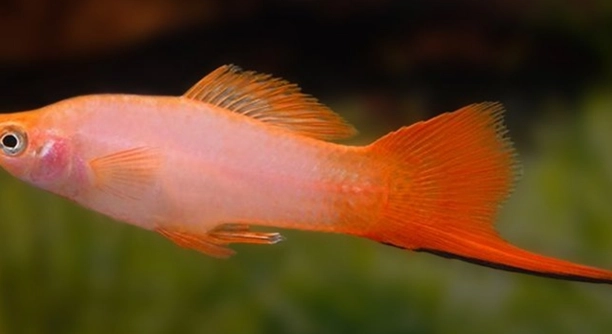
Fish tanks can be a peaceful environment, but sometimes they become noisy. Swordtail tanks, in particular, can make various sounds that may concern fish owners. It’s essential to understand why your tank might be too noisy.
The main reason for excessive noise in a swordtail tank usually comes from water movement, equipment, or overactive fish. Water splashing, filters, or air pumps often cause unwanted sounds that disrupt the tranquility of your tank.
Identifying the causes of noise will help restore balance to your tank. It’s possible to make adjustments that will reduce the disruption and ensure your swordtails stay happy in a quieter, more serene environment.
Water Movement and Splashing Sounds
One of the most common sources of noise in a swordtail tank is water movement. When the filter or water pump is running, it can cause ripples and splashes that create unwanted noise. This happens especially if the water level is low or the water flow is too strong. Swordtails don’t require fast-moving water, so having a pump with adjustable settings can help you control the flow. If the water level is below the filter’s intake, it can cause air bubbles and splashing sounds. Make sure your tank has the appropriate water level for quiet operation.
Small adjustments to the water level or the flow can make a big difference. You might not notice it right away, but a calm surface can reduce noise.
To fix this, try lowering the flow of your filter or moving it to a position that causes less disturbance. Consider using a sponge filter, which is quieter and gentler on the water. Sometimes just raising the water level slightly can also reduce splash sounds. Quieting the water movement in your tank can significantly reduce noise and create a more peaceful environment for your fish.
Air Pumps and Filters
Air pumps and filters can also contribute to noise. If they are old or not properly maintained, they may create rattling or humming sounds. A worn-out filter might be clogged with debris, causing it to work harder and become louder. Air pumps, too, can generate vibrations that transmit noise through the tank.
A good way to reduce this noise is by checking the equipment regularly. Cleaning the filter and air stones can keep things running smoothly and quietly.
Overactive Swordtails
Swordtails are generally peaceful, but sometimes they can become quite active. If your tank is too small or overcrowded, they may swim rapidly and make splashing noises. Excessive movement can also cause bubbles to form at the surface, adding to the noise. A stressed swordtail can further contribute to noisy behavior.
If your swordtails are constantly swimming frantically, they may be trying to find more space. Ensure your tank is large enough for the number of fish you have. A 20-gallon tank is a good starting point for a small group.
To help calm the fish, consider adding plants and hiding spots. This gives them more room to retreat when feeling stressed and helps reduce unnecessary movement. By providing a more comfortable environment, you can prevent them from constantly darting around and making noise.
Tank Maintenance
Regular maintenance is crucial for a quiet tank. Over time, algae buildup and debris can clog filters, air stones, and other equipment. This can increase the noise level, as the system works harder to filter the water. Keeping your tank clean reduces this unnecessary strain and keeps things running smoothly.
Cleaning the tank and changing the filter media every few weeks is a simple way to maintain a quieter tank. A clogged filter will not only make more noise but also affect water quality. Make sure to replace or clean your air stones as well. When they get clogged, they can produce bubbling sounds that disrupt the quiet of the tank.
Poorly Positioned Equipment
If your filter or air pump is positioned too close to the tank surface, it can cause excessive splashing and noise. The closer the equipment is to the water surface, the louder the sound it creates. Make sure that all your equipment is positioned in a way that minimizes disturbance.
Positioning equipment further below the water surface or adjusting its angle can help reduce noise. Even slight changes to the placement can create a noticeable difference in sound.
Tank Lid and Cover
A loose or improperly fitted tank lid can add to the noise. Vibration from pumps or water movement can cause the lid to rattle, amplifying the overall sound. Ensure your tank lid is securely fitted and check for any gaps or loose parts that could cause it to shake.
Make sure the lid is sitting properly and doesn’t move when the tank equipment is operating. A firm, well-fitted lid reduces unwanted vibrations and makes the tank quieter.
FAQ
Why is my swordtail tank so noisy?
Your swordtail tank might be noisy due to water movement, equipment malfunction, or overactive fish. Filters and air pumps can create vibrations or splashing sounds if they are not maintained or positioned properly. Swordtails can also cause noise if they are stressed or overcrowded. Ensure your water flow is gentle, equipment is in good condition, and your tank is large enough for your fish.
How can I reduce noise from my filter?
To reduce noise from your filter, make sure it’s clean and working properly. Check for any clogs or blockages in the filter media that might be forcing the pump to work harder. You can also adjust the filter’s flow rate or reposition it slightly to minimize water disturbance. Using quieter filter models, such as sponge filters, can also help reduce noise.
Are there any quieter filter options for my tank?
Yes, sponge filters are often quieter than traditional power filters. They create less water disturbance and can be ideal for smaller tanks or when you want to keep noise to a minimum. Canister filters are also a good option, as they tend to operate more quietly than hang-on-back filters. Look for low-noise models if you are particularly sensitive to tank sounds.
Can a noisy air pump affect my swordtails?
A noisy air pump could stress out your swordtails. If the pump is rattling or producing excessive sound, it may be disrupting the peaceful environment they need. Swordtails thrive in calm tanks, so it’s essential to address any noise caused by the air pump. You can reduce noise by using an air pump with vibration-dampening features or by positioning it away from the water surface.
How often should I clean my tank to prevent noise?
Regular maintenance is key to preventing noise from buildup and malfunctioning equipment. Cleaning your tank once every two weeks helps prevent debris from clogging the filter and causing more noise. Changing the filter media monthly or as recommended by the manufacturer is also important. Keep the air stones clean and free from algae to maintain quiet water movement.
Is a tank lid necessary for noise reduction?
A properly fitted tank lid can help reduce noise by preventing water from splashing out and containing vibrations from the equipment. However, make sure the lid fits securely to avoid rattling. If your lid causes noise, check for gaps or loose parts and ensure it is sitting correctly.
Can overcrowding in a tank increase noise?
Yes, overcrowding can increase noise. If there are too many swordtails in the tank, they may swim frantically, creating extra splashes and noise. Fish that feel crowded or stressed are more likely to make noise by swimming aggressively or darting around. Keep your tank appropriately stocked to prevent excessive movement and noise.
How can I make my swordtail tank more peaceful?
To make your swordtail tank more peaceful, provide adequate space, and reduce any sources of noise, such as loud equipment. Add plants and decorations to create hiding spots for your swordtails, which will reduce their stress levels and make them feel more comfortable. Also, ensure that your filtration and aeration systems are working quietly by adjusting the flow and maintaining your equipment.
Can the water temperature affect the noise level in my tank?
Yes, water temperature can influence your swordtails’ behavior. Warmer water can make fish more active, leading to more movement and splashing. Swordtails are tropical fish, so they need a stable water temperature of around 72-79°F (22-26°C). Keep the temperature within the recommended range to prevent excessive activity that could result in noise.
Does water hardness affect noise in the tank?
Water hardness does not directly cause noise, but it can influence the behavior of your swordtails. Swordtails prefer water with moderate hardness levels. If the water is too soft or too hard, it may stress the fish, leading to erratic swimming and splashing. Maintaining proper water hardness helps keep your fish calm and reduces noise from their movements.
What type of tank equipment can help with noise reduction?
To reduce noise, consider using quieter equipment like sponge filters, canister filters, and air pumps with noise-dampening features. Adjustable flow filters can allow you to control the water movement and reduce unnecessary splashing. Look for equipment designed for quieter operation if minimizing noise is a priority for you.
Can lighting affect the noise level in a swordtail tank?
While lighting itself doesn’t create noise, sudden changes in light or bright lighting can stress fish, leading to more erratic behavior and noise. Swordtails are sensitive to light, and too much direct light can make them more active. Use soft, low-intensity lighting and try to mimic their natural lighting conditions for a more peaceful tank environment.
How do I know if my tank is too noisy?
If you’re noticing consistent splashing, rattling, or humming sounds, your tank might be too noisy. The noise level can be a sign that something is out of balance, such as excessive water flow, a malfunctioning pump, or stressed fish. If you’re unable to enjoy the peaceful ambiance of your tank, it may be time to check the equipment and make necessary adjustments.
What should I do if the noise doesn’t stop after adjustments?
If the noise continues despite adjusting the water flow, cleaning equipment, and making changes to the tank setup, it might be worth investing in new equipment. Over time, pumps and filters can wear out and become noisier. Replacing old equipment with newer, quieter models could be the solution to reduce unwanted noise.
Final Thoughts
Keeping your swordtail tank quiet doesn’t have to be complicated. The main factors that contribute to noise are usually water movement, equipment, and the fish themselves. By simply adjusting the water flow or repositioning the equipment, you can reduce most of the sounds coming from your tank. If the noise continues, regular maintenance and cleaning of filters, air pumps, and other equipment is important. Keeping the tank in good working order ensures that your swordtails can live in a calm environment, free from any unnecessary disturbances.
It’s also essential to ensure that your tank has enough space for your swordtails. Overcrowding can lead to stressed fish that are constantly moving around, making the tank noisier. Providing them with enough room to swim comfortably and adding plants or decorations for hiding spots can help them feel more at ease. When fish are less stressed, they are less likely to create excessive noise through their movements. A peaceful tank environment benefits both you and your fish in the long run.
In the end, a quiet tank makes it easier to enjoy watching your swordtails without the distraction of unwanted sounds. By paying attention to your equipment, the behavior of your fish, and the overall tank setup, you can keep things calm and peaceful. Small changes, like adjusting water flow or keeping the tank clean, can go a long way in creating a serene space.

Hello,
If you enjoy the content that we create, please consider saying a "Thank You!" by leaving a tip.
Every little bit helps us continue crafting quality advice that supports the health, happiness, and well-being of pets around the world, for pets of all shapes, sizes, and species.
We really appreciate the kindness and support that you show us!