
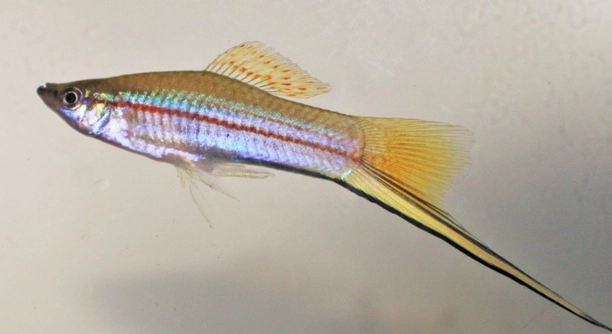
Swordtail fish are popular pets in many aquariums, known for their vibrant colors and active nature. However, when they are stressed, their behavior can change. Understanding the signs of stress in your swordtail fish is important for their health.
Swordtail fish show clear signs when they are stressed, such as hiding more often, changing their color, or swimming erratically. These behaviors can indicate an underlying issue in their environment or health, which requires attention.
Recognizing these stress signals can help you ensure your swordtail fish thrive. By understanding the factors that lead to stress, you can create a peaceful aquarium environment for them.
Stress from Poor Water Quality
Water quality is one of the most important factors that affect the health of swordtail fish. When the water is polluted or imbalanced, it can lead to stress, making your fish feel uncomfortable and unsafe. Poor water quality can include high levels of ammonia, nitrates, or low oxygen. In these conditions, your swordtail fish may become lethargic, refuse to eat, or swim near the surface.
If your swordtail is showing signs of stress, you might want to check your water parameters. Regular testing can help you identify the issues before they get worse. Clean, balanced water is essential for your fish’s well-being.
A simple solution to improving water quality is frequent water changes and proper filtration. This helps remove toxins and ensures a more stable environment. Installing a good filtration system, along with monitoring water temperature and pH levels, will provide a healthier and stress-free environment for your swordtail fish.
Tank Overcrowding
Overcrowding in an aquarium can be another major stressor for swordtail fish. When there are too many fish in one tank, they may fight for space, food, and oxygen. Swordtails are peaceful, but a lack of personal space can lead to aggression and anxiety.
To prevent overcrowding, make sure your tank has enough space for each fish. A good rule of thumb is to provide at least 1 inch of fish per gallon of water. If you have too many fish, consider transferring some to another tank or finding them a new home.
In addition to space, ensure there are plenty of hiding spots and plants. Swordtails feel more secure when they can retreat to a corner or plant cluster if they need a break. Properly managing the number of fish and creating a more spacious environment will help your swordtail fish feel more relaxed and safe.
Temperature Fluctuations
Temperature changes can stress your swordtail fish, especially if the water fluctuates too much. Swordtails prefer a stable temperature, usually between 72-78°F (22-26°C). Sudden shifts, like in the case of heaters malfunctioning or frequent changes in room temperature, can cause discomfort and stress.
To avoid these temperature fluctuations, use a reliable heater with a thermostat to keep the tank within the desired range. It’s also important to monitor the temperature regularly, as even slight changes can have a significant effect on your fish’s health. A stable temperature ensures that your swordtails stay active and healthy.
Using an aquarium thermometer will give you an accurate reading, helping you make quick adjustments if necessary. A good quality heater, combined with a thermometer, can prevent temperature-induced stress and create a comfortable environment for your swordtail fish to thrive.
Aggressive Tankmates
Aggressive tankmates can make your swordtail fish feel threatened, leading to stress. Swordtails are peaceful and typically get along with other non-aggressive species, but certain fish can become territorial or bully them. This can result in constant hiding or erratic behavior.
To avoid this, choose tankmates that are calm and compatible. Fish like tetras, mollies, or guppies are generally good companions for swordtails. If you notice aggression, it might be necessary to separate the aggressive fish or rehome them.
Aggression can also stem from insufficient hiding spots. Providing plants, rocks, or decorations that allow your swordtails to retreat to safe areas can reduce stress. By creating a peaceful and well-planned environment, your swordtails will feel more secure and less stressed.
Poor Diet
A poor diet can lead to stress in swordtail fish. When they aren’t getting the right nutrition, they may become sluggish or lose their vibrant colors. This can affect their overall well-being, making them more susceptible to stress.
Feeding your swordtail fish a balanced diet is crucial. They need high-quality flakes, pellets, and occasional live food to stay healthy. Make sure the food is appropriate for their size and species. Regular feeding ensures they are getting enough nutrients to stay active and stress-free.
Inadequate Lighting
Swordtail fish prefer a balanced light cycle in their tank. Too much light or too little light can cause stress. Strong, constant light may tire them out, while too little light may confuse their natural rhythms.
To prevent this, use a timer to control the light schedule. Aim for 10-12 hours of light per day, simulating day and night cycles. Keeping the lighting consistent will help your swordtail fish feel more comfortable in their environment.
Lack of Proper Filtration
Proper filtration is essential for maintaining a healthy tank. Without it, waste and toxins will build up, affecting water quality and causing stress. Swordtail fish are sensitive to polluted water, and poor filtration can lead to sickness or discomfort.
Investing in a good filtration system will help keep the water clean and clear. Regularly clean the filter and replace any necessary parts to ensure it is working properly. Good filtration creates a healthier environment for your swordtail fish, reducing stress and improving their overall health.
FAQ
What are the common signs of stress in swordtail fish?
Swordtail fish may display several signs of stress, including swimming erratically, hiding more than usual, or losing their vibrant color. If they appear lethargic, have a loss of appetite, or are rubbing against objects in the tank, these can also be indicators of stress. Stress may cause them to become more aggressive toward other fish, and they may spend time near the surface of the water, gasping for air.
How can I reduce stress in my swordtail fish?
To reduce stress, ensure the water quality is optimal. Perform regular water changes, and maintain proper filtration to remove harmful substances. Keep the water temperature stable within the recommended range. Avoid overcrowding, and provide hiding spots using plants or decorations. Also, choose peaceful tankmates that are compatible with swordtails.
Can I keep swordtail fish with other types of fish?
Yes, swordtail fish are generally peaceful and can live with other non-aggressive species. They do well with fish like guppies, tetras, and mollies. However, avoid keeping them with overly aggressive fish, as they may become stressed. Always research potential tankmates before adding them to your aquarium to ensure compatibility.
How often should I feed my swordtail fish?
Swordtail fish should be fed once or twice a day. Offer small portions that they can eat in a few minutes to prevent overfeeding. A balanced diet consisting of flakes, pellets, and occasional live or frozen foods will keep them healthy. Avoid feeding them too much to maintain good water quality.
What water parameters should I maintain for my swordtail fish?
Swordtail fish thrive in water with a pH between 7.0 and 8.0, a temperature range of 72-78°F (22-26°C), and a hardness level of 10-20 dGH. Regularly test the water for ammonia, nitrites, and nitrates, keeping them within safe levels. Ammonia and nitrites should be zero, while nitrates should be below 20 ppm.
Can swordtail fish live in freshwater only?
Yes, swordtail fish are freshwater fish and should be kept in freshwater aquariums. They are adaptable to a variety of freshwater conditions but should never be exposed to saltwater environments. A stable, well-maintained freshwater tank will provide them with a comfortable and healthy habitat.
Why is my swordtail fish swimming near the surface?
Swimming near the surface may indicate that the oxygen levels in the tank are low. Swordtail fish may swim higher to get more oxygen, especially if the water quality is poor or the filtration system isn’t working properly. Ensure good filtration and consider adding an air pump to increase oxygen levels in the tank.
How can I tell if my swordtail fish is pregnant?
Pregnant female swordtail fish will show a noticeable “gravid spot” near their abdomen. This dark spot is where the developing fry are located. As the pregnancy progresses, the fish may become more rounded and swollen in the belly area. Pregnant females may also become less active as they prepare to give birth.
How can I prevent swordtail fish from getting sick?
To prevent illness, maintain proper water quality, avoid overcrowding, and feed a balanced diet. Quarantine new fish before introducing them to your main tank to prevent disease spread. Regularly clean the tank and replace filter media. Ensuring a stress-free environment is essential for keeping your swordtail fish healthy and strong.
Can I use a heater in my swordtail tank?
Yes, a heater is often necessary to maintain a stable water temperature, especially in cooler rooms. Swordtail fish prefer warm water, so a heater can help maintain the ideal temperature range. Just be sure to use a reliable heater with a thermostat to prevent overheating and temperature fluctuations.
Final Thoughts
Understanding the signs of stress in swordtail fish is crucial for keeping them healthy and happy. These fish are generally hardy and adaptable, but they can experience stress from various factors, such as poor water quality, temperature fluctuations, overcrowding, or aggressive tankmates. Being aware of the common stress signals, like changes in behavior, color, or appetite, will allow you to address the issue before it leads to more serious health problems.
A peaceful and well-maintained aquarium is key to reducing stress for your swordtail fish. Regular water changes, monitoring water parameters, and using a reliable filtration system will help create a stable environment for them. Avoid overcrowding and ensure that there are plenty of hiding places for your fish to feel secure. Additionally, choosing the right tankmates will prevent aggression and territorial behavior, which can contribute to stress. By paying attention to the needs of your swordtails and providing a proper habitat, you can significantly reduce the chances of stress affecting their well-being.
Remember that swordtail fish, like all pets, need consistent care and attention. Maintaining a balanced diet, a stable environment, and a stress-free atmosphere will help them thrive. If you notice your swordtail fish showing signs of stress, take the necessary steps to identify and correct the issue as quickly as possible. With the right care, your swordtail fish will not only survive but will also live a long, healthy, and vibrant life.

Hello,
If you enjoy the content that we create, please consider saying a "Thank You!" by leaving a tip.
Every little bit helps us continue crafting quality advice that supports the health, happiness, and well-being of pets around the world, for pets of all shapes, sizes, and species.
We really appreciate the kindness and support that you show us!