
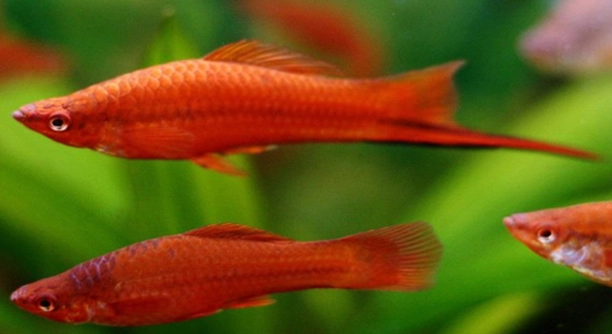
Have you ever found yourself watching your swordtail swim around and wondered if it actually likes having you nearby?
Swordtails show affection through consistent behaviors such as swimming near the glass, following your finger, and staying calm during feeding. These actions indicate recognition and comfort, suggesting that the fish has formed a positive association with your presence.
From subtle movements to small daily habits, learning to spot these signs can help you build a better bond with your fish.
They Swim Toward You When You Approach
If your swordtail swims toward you when you walk up to the tank, it’s showing interest in your presence. This behavior often means they associate you with food, safety, or general comfort. Fish that feel secure will not hide or dart away when someone approaches. Instead, they stay near the front of the tank or come closer. While it’s not the same as how a dog or cat might react, it’s a small but noticeable way that swordtails show familiarity. This behavior is usually consistent and becomes more frequent as they recognize your routine and associate your presence with positive experiences. Over time, your swordtail may begin to linger at the surface or swim in patterns when it sees you. These small actions can be easy to miss, but paying attention to them is the key. It’s one of the more visible ways to see your fish actually likes having you around.
Their movement is gentle and steady, not frantic or stressed. They seem comfortable and calm when you’re near.
Observing this behavior can help you feel more connected to your fish. When a swordtail chooses to approach you rather than avoid you, it’s an early sign that it feels safe in its environment. They learn who feeds them and become used to that person’s schedule and actions. If you’re consistent with feeding and maintain a calm presence, your swordtail is more likely to approach without hesitation. Over time, they can even develop a routine of meeting you at the glass around the same time every day. This shows trust and familiarity. Keep in mind, though, that if their movement is fast or panicked, they may still be adjusting or reacting to stress. Gentle movement paired with interest in your presence usually means your fish feels secure and is showing recognition, which is often mistaken for affection.
They Stay Visible Instead of Hiding
Swordtails that are happy and used to you will not spend most of their time hiding.
A swordtail that feels secure will spend more time in open areas of the tank rather than behind plants or decorations. This behavior shows that it feels safe and isn’t trying to avoid potential stress. If your fish is often visible and calmly swimming around while you are nearby, it’s a positive sign. They may even follow your hand movements or stay active when you’re cleaning the tank. This kind of visibility isn’t always instant—it often takes time and consistency. A fish that was once shy may begin to spend more time out in the open once it starts to trust you. It’s also important to make sure your tank setup supports this. If there’s too much noise, sudden movement, or poor water quality, your swordtail may hide more often. But when these stressors are removed, and your presence becomes routine, it’s common for the fish to remain comfortably visible.
They Eat When You’re Near
Swordtails that feel relaxed will eat even when you’re close to the tank. If your fish eats calmly while you’re nearby, that’s a good sign. Skittish fish often wait until people leave.
This behavior shows your swordtail is comfortable and sees you as part of its safe space. Many fish are cautious and will avoid eating if they feel stressed or unsure about their surroundings. If your swordtail starts eating while you’re standing near the tank, it means it doesn’t feel threatened. It also suggests that your presence is familiar and predictable. This is especially true if your fish used to hide during feeding time but now comes out eagerly as you approach. It’s important to observe how they eat—slow, steady eating signals comfort, while rushing or darting can mean stress. A calm eater is often a happy fish that feels safe around you.
Over time, your swordtail may even begin to swim excitedly at the surface when it senses your presence. This anticipation often builds with regular feeding schedules. Your consistent actions help form a routine the fish can rely on. When feeding becomes a shared moment, it creates a sense of stability for the fish. It knows what to expect when you appear, and this familiarity lowers anxiety. A fish that looks forward to your visits and eats when you’re there is demonstrating both comfort and trust. Be mindful not to overfeed during these interactions. While the moment is positive, keeping their diet balanced is still key. But if your swordtail eagerly eats around you without signs of fear, it’s showing a real sign of acceptance.
They Follow Your Finger Across the Glass
Some swordtails will swim along the glass when you move your finger side to side. This behavior shows they are paying attention and are comfortable reacting to you. It often starts with small movements and becomes more playful over time.
When a swordtail begins to follow your finger, it’s not just reacting to motion—it’s recognizing a familiar part of its environment. At first, it may follow slowly or only show mild interest. But as it grows more comfortable, it may follow your finger more eagerly. This kind of interaction builds over time, especially when paired with feeding or other routines. It also shows the fish is aware of its surroundings and not afraid to engage. While not all fish will do this, many swordtails develop the habit as they become more used to their owners. It’s a small sign, but it points to awareness, trust, and even curiosity—qualities that appear when a fish feels safe.
They Don’t Dart Away When You Clean the Tank
If your swordtail stays calm while you clean the tank, that’s a strong sign of trust. Most fish hide or dart away quickly, but a relaxed swordtail may simply move aside and continue swimming.
This behavior shows the fish is used to your presence and movements. It doesn’t see your actions as a threat.
They Recognize Your Movements Around the Tank
Over time, swordtails start to recognize the difference between random movement and your routine actions. You may notice them swimming toward you when you walk by or getting more active when you open the tank lid. These little reactions show they’ve learned to connect your movement with something familiar, like feeding or interaction. It’s not just about food—it’s about recognizing who you are and how you move. This kind of response usually comes from consistency and calm behavior. Loud or fast movements can scare them, but steady, repeated patterns are easy for them to learn. Recognition is a clear sign of trust.
They Swim Near You After Feeding
Swordtails often stay active and near the front of the tank after a meal if they feel secure. Instead of hiding, they continue to engage, showing they enjoy being near you even when food isn’t involved.
FAQ
How do I know if my swordtail is happy?
A happy swordtail will show steady swimming, bright colors, and regular eating habits. It won’t hide all the time or act nervous when you’re nearby. You’ll often see it swimming freely in the open and reacting calmly to movement around the tank. Swordtails that feel good in their environment are curious and active without showing signs of stress like clamped fins or rapid gill movement. Over time, you’ll notice a rhythm in their behavior—where they rest, swim, and explore with a relaxed attitude. A healthy tank setup also plays a big role in this, including water quality and space.
Do swordtails actually recognize their owners?
Swordtails can learn to recognize familiar people through repeated exposure. While they don’t “know” you like a dog would, they can associate your presence with food, safety, and routine. They may swim toward you or become more active when you approach the tank. These behaviors suggest they understand your role in their daily life. Recognition usually builds slowly. If you feed them at the same times and move calmly around the tank, they begin to feel safe and connected to your presence. It’s more about pattern recognition than emotional bonding, but it still feels personal over time.
Why does my swordtail hide all the time?
Constant hiding can be a sign of stress. It might be caused by poor water conditions, loud noises, overcrowding, or tankmates that are too aggressive. Swordtails usually like to swim in open areas, so hiding is not their normal behavior. Check the tank environment—make sure the water parameters are stable, the lighting isn’t too harsh, and the fish has enough space. If your swordtail is new to the tank, hiding could also be part of the adjustment period. In most cases, with the right care and time, they become more confident and visible.
Can swordtails become attached to one person?
They won’t form emotional bonds like a cat or a dog, but they can grow used to one person. If the same person feeds, cleans, and interacts with the fish regularly, the swordtail may react more positively to that individual. It’s not personal affection in a human sense, but it’s a strong association that shows up in their behavior. They may swim closer or become more active when that person is nearby. It’s a kind of learned trust that makes daily care easier and more enjoyable.
Is it normal for swordtails to stop eating when they’re scared?
Yes, it’s very common. Stress can cause swordtails to skip meals. New surroundings, sudden changes in water conditions, loud noises, or even a new decoration in the tank can throw them off. If your swordtail isn’t eating, check the environment first. Make sure the water temperature, pH, and ammonia levels are all within a safe range. Give them a quiet space, and try not to disturb the tank too much. Most swordtails go back to eating once they feel safe again. A steady routine helps a lot with this.
How long does it take for a swordtail to trust you?
It varies. Some swordtails start showing signs of trust within a few days, while others take weeks. It depends on their past experiences, the tank conditions, and how you interact with them. If you’re gentle, consistent, and patient, they’ll usually become more comfortable with you over time. Regular feeding, a stable environment, and quiet movements make a big difference. Watching their behavior change is often rewarding—it’s the little signs, like staying near the glass or following your finger, that let you know they feel okay around you.
Final Thoughts
Swordtails are simple, active fish that show comfort and trust in quiet ways. They may not wag their tails or curl up in your lap, but their small behaviors can tell you a lot. When a swordtail swims toward you, follows your finger, or stays visible while you clean the tank, it’s reacting to your presence in a calm and familiar way. These are signs that it feels safe and possibly even enjoys being around you. They aren’t dramatic, but once you learn to notice them, they become easy to spot. Swordtails that like their environment will act more relaxed, and this often includes how they respond to the person who takes care of them.
It’s also important to remember that every fish is different. Some swordtails may be naturally more social, while others might take longer to adjust. That doesn’t mean anything is wrong—it just means they need time and consistency. If you keep their tank clean, avoid loud or sudden movements, and feed them regularly, your swordtail is more likely to feel secure. That feeling of safety leads to small behaviors that build connection. You may not think your fish notices you, but they often do. It just looks different from what we expect. Watching their daily routines closely will help you spot the changes that show growing trust.
Spending a few minutes each day observing your swordtail can be a calm and enjoyable habit. You’ll start to see patterns—how they react to your steps, how they wait near the top when it’s feeding time, or how they swim more freely when the space around the tank stays quiet. These things might seem small, but they matter. They’re part of what builds a peaceful environment for your fish and a more rewarding experience for you. So while your swordtail might not show affection the way a dog or cat would, it still has ways of saying it feels okay around you. With time, those signs become more clear, and they help make caring for your fish feel more personal.

Hello,
If you enjoy the content that we create, please consider saying a "Thank You!" by leaving a tip.
Every little bit helps us continue crafting quality advice that supports the health, happiness, and well-being of pets around the world, for pets of all shapes, sizes, and species.
We really appreciate the kindness and support that you show us!