
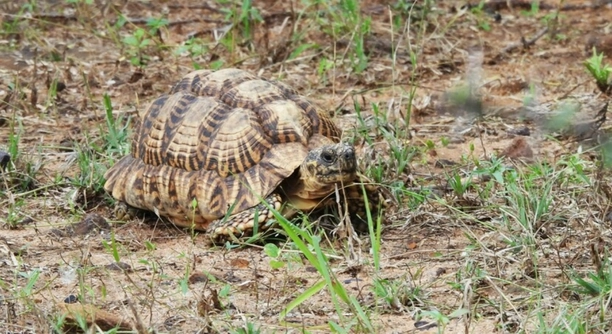
A healthy star tortoise requires a carefully maintained environment, especially when it comes to humidity levels. Proper humidity is crucial for their well-being and growth. If it gets too high or too low, your tortoise may face health issues.
Humidity levels that are too high or too low can cause skin shedding problems, respiratory issues, and dehydration in your star tortoise. It’s essential to monitor the humidity closely to maintain a suitable balance for their comfort and health.
Understanding the signs of improper humidity can help you act quickly. This article will guide you on recognizing the key indicators and how to adjust your tank to create a healthier habitat for your tortoise.
Dry and Flaky Skin
One of the first signs that your star tortoise’s tank may need a humidity adjustment is dry, flaky skin. If you notice patches of dry skin or shedding that looks uneven or too thick, it could be a sign that the humidity levels are too low. Tortoises rely on a certain level of moisture to help them shed their skin properly. Without enough humidity, the shedding process becomes difficult, leading to dry and cracked skin. In more severe cases, your tortoise may have trouble moving around due to the discomfort caused by the dryness. This can be especially concerning for young or growing tortoises who need moisture for healthy growth. To prevent this, it’s essential to monitor and adjust the tank’s humidity to ensure it stays within the ideal range for your pet’s needs.
Humidity levels that are too low can also lead to dehydration. Your tortoise may seem lethargic or have less energy. It’s important to address the humidity issue before it leads to other health problems.
By maintaining proper humidity, you can help your tortoise shed its skin more naturally and keep its overall health in check. The ideal range for humidity in a star tortoise’s tank is generally between 50% to 70%. Using a humidity gauge or thermometer will help you track the levels accurately. If you notice the humidity falling below 50%, consider misting the tank or using a humidifier to restore the moisture. These small adjustments can help prevent skin problems and ensure your tortoise stays comfortable and healthy.
Respiratory Problems
Another common sign that humidity might need to be adjusted is the onset of respiratory issues. If your tortoise starts wheezing, coughing, or has difficulty breathing, it could be a result of improper humidity. High humidity can sometimes lead to respiratory infections, while low humidity can cause the nasal passages to dry out and become irritated.
In either case, respiratory problems can be serious and should be addressed immediately. Keep your tortoise’s tank humidity within the ideal range, and be cautious of drastic fluctuations.
Difficulty in Breathing or Wheezing
If your star tortoise is wheezing or showing signs of labored breathing, humidity might be an issue. Improper humidity levels can lead to either respiratory infections or dried out nasal passages. It’s crucial to adjust the humidity promptly to avoid further complications.
Low humidity can cause the airways to dry out, making it harder for your tortoise to breathe properly. On the other hand, high humidity can promote the growth of harmful bacteria and fungi, which can trigger respiratory infections. If your tortoise is having trouble breathing, check the humidity levels and adjust them as needed. A small change can make a significant difference in your pet’s comfort.
If respiratory issues persist, consult with a vet, as this could indicate an underlying health problem. Proper humidity is just one factor in keeping your tortoise healthy, but it’s an essential part of the equation for maintaining their respiratory health.
Increased Shedding or Abnormal Behavior
Excessive shedding can be a sign that the humidity in your star tortoise’s tank needs adjustment. When the environment is too dry, your tortoise may shed more than usual, and the process may appear abnormal. This could cause distress and discomfort for your pet.
If the shedding seems excessive or uneven, it’s likely that the humidity isn’t right for your tortoise. Adjusting the humidity to a comfortable level can reduce shedding problems. Tortoises in the wild typically shed their skin at a more regular pace when they have access to proper moisture. Without it, their skin may become dry and cracked, leading to difficulty in shedding. Keep an eye on your tortoise’s behavior and look for signs of irritation or excessive skin shedding. Adjusting the humidity can help prevent these issues.
This will also help with your tortoise’s overall mood. Dehydration caused by dry conditions can lead to lethargy, so maintaining proper humidity is essential for their health and happiness. Proper humidity helps regulate both their skin shedding and energy levels.
Lethargy and Lack of Activity
If your star tortoise seems sluggish or less active than usual, improper humidity might be to blame. Dry conditions can cause your tortoise to feel drained or dehydrated, leading to a lack of energy. Check the humidity to ensure it’s in the ideal range.
When humidity is too low, dehydration sets in, and your tortoise may spend more time resting instead of exploring. Dehydration can also lead to other health issues, so it’s important to address low humidity before it becomes a bigger problem. Mist the tank, use a humidifier, or adjust the water bowl to raise moisture levels.
Tank Temperature Imbalance
A temperature imbalance in your tortoise’s tank can often be related to humidity levels. If the humidity is too high, it may cause the tank to become too warm, which can lead to discomfort. The ideal temperature should align with the humidity.
Proper temperature and humidity must be balanced. Too much moisture in the tank can make the air feel warmer than it should, creating an uncomfortable environment for your tortoise. Make sure the basking area stays within the correct temperature range, and use a thermometer to monitor it. Avoid overheating, as it can stress your pet. Adjusting both temperature and humidity ensures a more suitable living space for your tortoise.
FAQ
What is the ideal humidity level for a star tortoise tank?
The ideal humidity level for a star tortoise’s tank is typically between 50% and 70%. It is essential to maintain this range to prevent dehydration and encourage healthy shedding. If humidity falls below 50%, your tortoise may struggle with skin problems, lethargy, or dehydration. On the other hand, humidity levels above 70% can cause respiratory issues and encourage the growth of harmful bacteria. Regularly check the humidity with a hygrometer, and make adjustments as needed to keep your tortoise comfortable.
How do I raise the humidity in a star tortoise tank?
To raise the humidity, you can mist the tank daily with water, especially during dry seasons or in low-humidity environments. A humidity booster such as a reptile fogger or humidifier can help maintain consistent moisture levels. You can also add a larger water bowl or even a shallow dish with moist sphagnum moss, which helps retain moisture in the tank. Make sure to monitor the humidity regularly to prevent it from becoming too high.
How do I lower the humidity in my tortoise’s tank?
If the humidity level is too high, you can lower it by increasing ventilation or decreasing misting. You might also want to adjust the tank’s water bowl by reducing the water level or removing excess moisture. Additionally, replacing some of the damp substrate with a drier material can help lower the humidity. It’s important to check the humidity regularly to ensure the proper level is maintained.
Can too much humidity harm my star tortoise?
Yes, excessive humidity can lead to respiratory issues, such as wheezing or difficulty breathing. When the humidity is too high, bacteria and fungi can thrive in the warm, moist conditions, causing infections that affect your tortoise’s health. It can also lead to skin and shell problems. To prevent this, maintain a consistent humidity level within the ideal range of 50% to 70%, and use a dehumidifier or improve ventilation if necessary.
What are the signs that the humidity is too low for my star tortoise?
Signs that the humidity is too low include dry, flaky skin, excessive shedding, dehydration, and lethargy. Your tortoise may also have trouble shedding its skin properly or may appear less active. If you notice these symptoms, it’s essential to adjust the humidity to the proper level. Increasing misting, adding a humidity source like a humidifier, or changing the tank setup can help restore the right moisture levels.
How often should I check the humidity in my tortoise’s tank?
It’s a good idea to check the humidity levels at least once or twice a day. The humidity can fluctuate due to changes in temperature or the amount of water in the tank. Using a hygrometer will help you monitor the levels accurately. Keeping a consistent check ensures the tank environment stays stable and healthy for your tortoise.
What can I do if my star tortoise is not shedding properly?
If your tortoise is not shedding properly, it may be due to low humidity or dehydration. Ensure that the humidity level is within the recommended range and that the tank has enough moisture. You can also soak your tortoise in shallow, lukewarm water to help with shedding. If the problem persists, consult a veterinarian, as it could indicate an underlying health issue.
Can a star tortoise live without humidity?
No, star tortoises rely on a certain level of humidity to stay healthy. While they don’t need extremely high humidity, too little moisture can lead to dehydration, difficulty shedding, and other health problems. Keeping the humidity at the right level is essential for your tortoise’s overall well-being. Regularly monitor the humidity to ensure it stays balanced.
Is it safe to use a heat lamp with high humidity?
Yes, it’s generally safe to use a heat lamp with high humidity, but the key is to maintain balance. The heat lamp should not raise the temperature too high, as this can stress your tortoise. Ensure that the humidity level doesn’t get excessively high as well. Adjust the heat lamp’s distance from the tank to keep the temperature stable, and regularly check both humidity and temperature levels to avoid creating an uncomfortable environment.
What is the best substrate for maintaining humidity in a star tortoise tank?
Coconut fiber or coconut coir is an excellent substrate for maintaining humidity in a star tortoise tank. It helps retain moisture without becoming too soggy. You can also use a mixture of soil and sphagnum moss to maintain a balance between humidity and dryness. Avoid substrates like sand or gravel, as they do not retain moisture effectively and can dry out quickly. Keeping the substrate slightly damp, rather than wet, helps ensure proper humidity levels.
Can I use a humidifier in my tortoise’s tank?
Yes, a humidifier is an excellent tool for maintaining proper humidity in your tortoise’s tank, especially in dry environments. Ensure that the humidifier is placed outside the tank to avoid direct moisture contact with your tortoise. You can also use a reptile fogger, which is designed to release moisture into the tank in a controlled manner. Make sure to monitor the humidity regularly to avoid making it too high.
Maintaining proper humidity levels in your star tortoise’s tank is crucial for their overall health and well-being. Humidity plays a significant role in ensuring your tortoise stays hydrated, sheds properly, and avoids respiratory issues. By keeping the humidity within the ideal range of 50% to 70%, you can help your tortoise thrive in a comfortable and healthy environment. Regularly checking the humidity levels with a hygrometer can help you stay on top of any changes that may occur, especially with fluctuations in temperature or water availability.
Adjusting humidity in your star tortoise’s tank may seem tricky at first, but with the right tools and knowledge, it becomes a simple part of daily care. Mist the tank regularly, use a humidifier or reptile fogger if needed, and make sure the tank’s water bowl is positioned properly. These small actions can have a big impact on your tortoise’s comfort and health. If the humidity gets too high, make sure there’s proper ventilation, and if it’s too low, increase moisture in the environment to avoid issues like dry skin and dehydration.
By paying attention to your tortoise’s behavior and environment, you can easily spot when humidity is becoming a problem. If your star tortoise is showing signs of respiratory issues, abnormal shedding, or a lack of energy, it may be time to reassess the humidity in the tank. These adjustments don’t take much effort, but they are essential to creating a healthy space for your pet. With consistent care, you can help your star tortoise live a long, happy life with a well-balanced habitat.

Hello,
If you enjoy the content that we create, please consider saying a "Thank You!" by leaving a tip.
Every little bit helps us continue crafting quality advice that supports the health, happiness, and well-being of pets around the world, for pets of all shapes, sizes, and species.
We really appreciate the kindness and support that you show us!