
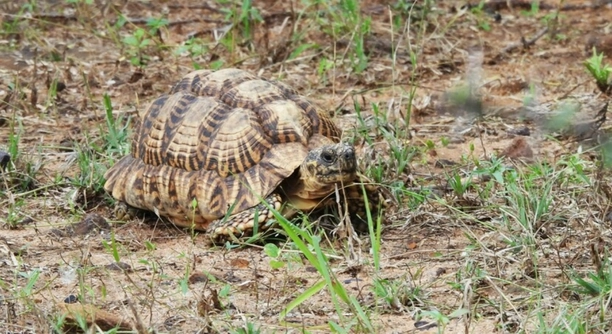
A Star Tortoise is a fascinating pet, but it requires a specific environment to stay healthy and comfortable. If you’ve been caring for one, you might wonder when it’s time to reassess their living space.
Star Tortoises need adequate space to move around and explore. If their enclosure feels cramped, it can affect their health and well-being. A larger space allows them to exercise, forage, and maintain their natural behavior.
Understanding the importance of space for your tortoise can help ensure it lives a long, healthy life. Keep reading to learn the signs your star tortoise may need more room.
Limited Movement
If your star tortoise doesn’t seem to move much or is always in the same spot, it may be a sign that its space is too small. Tortoises need room to roam to stay active, and a cramped environment can make them feel confined. Over time, this can lead to lethargy and poor health.
A tortoise’s physical activity is crucial for digestion, muscle development, and overall well-being. If the space doesn’t allow for natural movements, such as walking or stretching, their body may not function as it should.
A larger space will encourage your tortoise to move around more, exercise its limbs, and explore. This will help prevent obesity and other health problems. A healthy tortoise will spend its day walking, foraging, and interacting with its surroundings. The right amount of space also promotes natural behaviors, keeping them mentally stimulated. Don’t underestimate the importance of giving them room to move. If your tortoise appears to be staying in one place too often, it’s time to consider a larger enclosure.
Stress and Aggression
Stress can be another sign that your star tortoise needs more space. In smaller enclosures, they may feel threatened, causing them to become more aggressive or fearful.
When tortoises feel restricted, it can affect their mental and physical health. They may become more territorial or anxious. This can lead to stress-related behaviors, such as biting, shell twitching, or even withdrawal.
If you notice these signs of stress, you need to reassess the size of the enclosure. When given enough space, tortoises will feel secure in their environment, reducing aggressive behavior. A larger home will provide areas for your tortoise to hide, explore, and find peace, giving it a better quality of life. Adjusting the space will help them feel comfortable and calm, preventing negative behaviors linked to stress.
Inability to Forage
A small enclosure restricts your tortoise’s ability to forage properly. Foraging is essential for their natural diet and mental stimulation. Without enough space to search for food, your tortoise may become frustrated or undernourished.
Tortoises thrive when they can explore their environment and find food scattered across their space. In a cramped area, food might be placed in one spot, making it easier to access but less stimulating. Foraging helps them exercise their senses and promotes healthy eating habits. A larger space provides opportunities to hide food and encourage your tortoise to use its instincts.
If your tortoise seems uninterested in its food, or if it’s not eating much, the lack of space could be a factor. Offering a more spacious and dynamic environment helps bring out their natural behaviors, leading to better health and a happier tortoise.
Difficulty with Shell Growth
Limited space can also affect the growth of your star tortoise’s shell. A cramped environment puts more pressure on their body, potentially leading to deformities in the shell.
A tortoise’s shell is meant to grow naturally as it moves around and explores its surroundings. When confined, their physical development might be stunted. Shell problems can also arise from insufficient access to UVB light or exercise. A larger, more open area allows your tortoise to stretch, get more sunlight, and grow its shell properly. It also encourages more exercise, which is essential for keeping the shell strong and healthy.
Over time, a lack of space can lead to deformities like pyramiding or soft spots. These issues are not just cosmetic; they can impact your tortoise’s overall health. Make sure the space allows for movement and growth to prevent these problems from developing.
Inactive Behavior
If your star tortoise seems inactive or spends long periods of time in the same position, it may not have enough space to stay engaged. Limited room can lead to lethargy and a lack of stimulation.
A tortoise that doesn’t move around or show interest in its surroundings may not have enough room to explore. Without the space to roam and interact, they may become bored or disinterested in their environment. A larger enclosure can help provide the right balance of exercise and mental stimulation.
Uneaten Food
When your tortoise leaves food uneaten or seems uninterested, it may be a sign that its space is too small. Inadequate space can affect their appetite and eating habits.
If there’s not enough room for your tortoise to feel secure or comfortable while eating, it may refuse food. A larger area allows them to find a more suitable spot to eat, promoting better digestion and a healthier appetite.
FAQ
How much space does a star tortoise need?
Star tortoises need a minimum of 30 square feet of space for a single adult. The more room you can provide, the better. A larger enclosure allows your tortoise to move freely, which is important for exercise, mental stimulation, and natural behaviors. For hatchlings or juveniles, a smaller space is fine, but they should still have enough room to roam and explore. As they grow, you’ll need to increase the space accordingly.
Can my tortoise live in a smaller space temporarily?
Yes, but it’s not ideal. While you can temporarily house your tortoise in a smaller space, especially during transport or when setting up a new enclosure, long-term confinement can affect their health. A cramped living area will prevent proper exercise and can lead to stress or poor development. Make sure to provide an appropriate space as soon as possible.
How do I know if my tortoise is stressed due to limited space?
Signs of stress in a star tortoise include lethargy, hiding, biting, or pacing the enclosure. If your tortoise seems agitated, restless, or unwilling to eat, these could be signs that its space is insufficient. Stress can also manifest in more aggressive behavior or unusual postures, such as withdrawing into its shell more frequently. Providing a larger enclosure, along with proper hiding spots and stimulation, can help ease these stress symptoms.
Should I increase the space for my tortoise gradually or all at once?
It’s best to gradually increase the space if possible. Sudden changes can be overwhelming for your tortoise. Start by adding additional hiding spots, ramps, or obstacles that provide more space for movement. Over time, you can increase the area. This gradual approach allows your tortoise to adjust to the new environment at its own pace.
What are the risks of not providing enough space?
The risks of not providing enough space for your star tortoise include health issues like shell deformities, obesity, poor digestion, and stress-related behaviors. A lack of space can also prevent proper foraging, which is vital for their diet. Stress from cramped quarters may lead to aggression, lethargy, and reduced activity, affecting their overall well-being. Over time, these issues may become harder to address if not corrected early.
Can I provide enough space by letting my tortoise roam around the house?
While allowing your tortoise to roam around the house might seem like a good idea, it’s not ideal for several reasons. Star tortoises need a controlled environment with proper temperature, humidity, and UVB light. The house doesn’t always offer these conditions, which are essential for your tortoise’s health. It’s best to set up an appropriate enclosure in a safe area where your tortoise can roam without the risks of getting lost or injured.
What kind of enclosure is best for a star tortoise?
The best enclosure for a star tortoise is one that is large, secure, and easy to maintain. It should be made of durable material such as wood, plastic, or glass. Ensure it has adequate ventilation and room for your tortoise to move freely. You can create a natural habitat with areas for basking, hiding, and foraging. Use natural materials like soil and plants to replicate the tortoise’s natural environment. A secure lid is necessary to prevent escape, but it should also allow enough airflow and light.
Do star tortoises need more space as they grow?
Yes, star tortoises need more space as they grow. A hatchling or juvenile may be fine in a smaller area, but as they mature, their space requirements increase. For adult tortoises, a minimum of 30 square feet is recommended, but larger enclosures will allow for better movement and health. It’s important to assess your tortoise’s size and adjust the space accordingly, especially since they are slow growers and may take years to reach full size.
How can I improve the space in my tortoise’s enclosure?
You can improve your tortoise’s enclosure by adding more elements to encourage exploration, such as ramps, rocks, and tunnels. These features not only give your tortoise more room to move but also provide stimulation. Ensure there are spots for basking and hiding to mimic a more natural environment. Keep the area clean and consider adding plants for shade and foraging. Make sure to regularly check the enclosure’s temperature, humidity, and UVB light to keep your tortoise comfortable.
Can I house multiple star tortoises in the same enclosure?
It is possible to house multiple star tortoises together, but it requires careful consideration. Overcrowding can lead to stress and aggression, especially if the tortoises don’t have enough space to establish their territory. Make sure the enclosure is large enough to allow each tortoise to have its own space. You’ll also need to monitor them closely for signs of aggression, as tortoises can be territorial. If you’re unsure, it may be safer to house them separately, particularly if the space is limited.
Do I need to provide different types of space for different activities?
Yes, providing different areas within the enclosure for specific activities is beneficial. A basking area with a heat source, a cooler area for resting, and a separate area for hiding will help your tortoise feel more secure. Creating zones for foraging and exploring will allow your tortoise to engage in more natural behaviors. Make sure there are no sharp objects or hazards in the space. Diversity in the setup will keep your tortoise mentally stimulated and physically active.
Final Thoughts
Providing enough space for your star tortoise is essential for its health and well-being. A small enclosure can lead to stress, inactivity, and physical issues. As these tortoises grow, their need for space increases, so it’s important to plan ahead and ensure their environment is suitable. Offering enough room not only supports physical health but also promotes natural behaviors like foraging and exploring, which are crucial for their mental stimulation.
When setting up an enclosure, remember that it’s not just about size but also about creating a space that mimics the tortoise’s natural habitat. You can enhance the enclosure by adding areas for basking, hiding, and walking. Different areas for eating, drinking, and resting will encourage your tortoise to stay active and engaged. A balanced environment with proper temperature, humidity, and lighting also contributes to their overall well-being.
In the end, the more room and care you provide, the healthier and happier your star tortoise will be. Keep an eye on your tortoise’s behavior and health. If you notice signs like stress, inactivity, or difficulty eating, it may be time to reconsider the size and layout of its space. A little adjustment can go a long way in ensuring a long, happy life for your tortoise.

Hello,
If you enjoy the content that we create, please consider saying a "Thank You!" by leaving a tip.
Every little bit helps us continue crafting quality advice that supports the health, happiness, and well-being of pets around the world, for pets of all shapes, sizes, and species.
We really appreciate the kindness and support that you show us!