
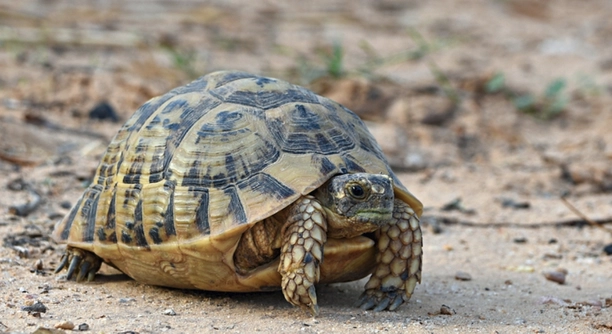
Russian tortoises are small, hardy reptiles that thrive in specific temperature ranges. However, like any pet, they can suffer from heat stress. It’s essential to recognize when your tortoise might be overheating to prevent health issues.
Overheating in Russian tortoises can lead to dehydration, stress, or even death. Signs like excessive panting, lethargy, or seeking cool places can indicate distress. Monitoring their environment and behavior can help you keep them safe from heat-related issues.
Understanding the signs of overheating in your tortoise can ensure their well-being and comfort. By being observant and taking quick action, you can maintain a healthy environment for them.
Recognizing Excessive Panting in Your Tortoise
Excessive panting is one of the first signs that a Russian tortoise is overheating. When their body temperature rises too high, they may open their mouth and breathe heavily, trying to regulate their heat. This is especially noticeable during or after exposure to direct sunlight or a warm environment. While a tortoise may occasionally breathe rapidly during physical activity, consistent or extreme panting without any exertion is a clear red flag. In the wild, tortoises keep cool by burrowing or staying in shaded areas. In captivity, however, they rely on you to maintain a safe temperature range.
If you notice this behavior, immediately check their habitat’s temperature and adjust it. Overheating can cause long-term damage, so it’s vital to act quickly. Try moving them to a cooler area and ensure they have access to water to stay hydrated. In the meantime, monitor them closely for further signs of distress.
Even though your tortoise may appear calm after cooling down, it’s important to be cautious and aware of their surroundings. Keeping a close watch on their behaviors can prevent future issues with overheating. Always ensure their habitat has proper ventilation and a consistent, comfortable temperature.
Excessive Lethargy and Inactivity
Lethargy is another indicator of overheating. When a tortoise becomes overheated, it may retreat into its shell or stay still, avoiding any movement.
This behavior is usually a sign that your tortoise is trying to escape the discomfort of high temperatures. It is important to monitor their energy levels and response to their environment. If they become unresponsive to food or seem uninterested in moving, it might be time to reevaluate their living conditions. If their environment is too warm, it can make them feel sluggish or unwell.
When Russian tortoises are too hot, they are not only uncomfortable but also at risk of severe health issues. They can develop dehydration, which can lead to long-term health problems or even organ failure. Offering them a cooler space and avoiding any direct heat exposure for a while can help. If the lethargy persists, consider consulting with a veterinarian to rule out any underlying health issues.
Seeking Cool, Shaded Areas
If your tortoise begins to frequently seek out cool or shaded areas, it’s likely trying to escape from heat stress. They instinctively know when the temperature is too high and will look for ways to cool down.
Tortoises will often hide under objects or burrow into the ground to find relief. This behavior indicates that the environment is too hot for them. Ensure they have access to shaded spaces within their habitat, especially during warmer months. In the wild, they would naturally find shelter under rocks or plants, so try to replicate that in their enclosure.
If you notice this behavior often, it could mean their living space is too warm or lacks proper ventilation. Offering plenty of hiding places, along with a consistent temperature, is essential for their comfort. Remember that even small temperature fluctuations can make a significant difference in your tortoise’s well-being.
Loss of Appetite
Overheating can cause your Russian tortoise to lose interest in food. When they are too hot, their digestive system slows down, and they may not feel like eating.
If you notice that your tortoise is turning away from its food, it could be a sign that its body is struggling to regulate temperature. It’s important to avoid overfeeding them during extreme heat and to keep their diet balanced. Offering cool, fresh water can also help them feel better and stay hydrated. They may become more likely to eat once they feel comfortable again.
Keep an eye on their hydration levels as well. Dehydration can make this problem worse. If the loss of appetite continues after cooling down, it may be worth checking with a vet to ensure there are no underlying health concerns. Keep their food fresh and avoid leaving it out too long in the heat.
Sweating or Excessive Drooling
If you notice your Russian tortoise is sweating or excessively drooling, it could be a sign of overheating. These symptoms are rare but may occur as the body tries to cool itself down.
Excessive drooling happens when your tortoise’s body struggles to manage heat. Unlike mammals, tortoises don’t sweat, so they rely on other methods like burrowing or seeking shade to cool down. If you spot this behavior, immediately remove your tortoise from the heat and place it in a cooler, shaded area. Hydration is key during this time.
Restlessness or Pacing
Restlessness or pacing around the enclosure is a common sign of discomfort from excessive heat. When tortoises can’t find a cooler spot, they may start moving aimlessly.
This constant movement is their way of searching for a better environment. It’s often a sign that the heat is causing them distress. If you notice this behavior, it’s important to reassess the temperature in their enclosure and ensure they have access to cooler spaces. A tortoise’s natural instinct is to find shade or burrow to cool down, so try to create these options in their habitat.
FAQ
What temperature is too hot for a Russian tortoise?
The ideal temperature range for a Russian tortoise is between 75°F to 85°F (24°C to 29°C). Anything above 90°F (32°C) can put them at risk of overheating. It’s essential to keep their enclosure within these limits to avoid causing stress or potential harm. If the temperature consistently exceeds 90°F, they may struggle to regulate their body heat. Be sure to provide areas of both heat and shade in their habitat to allow them to choose the most comfortable space.
How can I keep my Russian tortoise cool during hot weather?
To keep your tortoise cool during hot weather, make sure it has access to shaded areas, cool hiding spots, and fresh water. You can place ceramic tiles or rocks in the enclosure that retain coolness. Additionally, misting the enclosure lightly or providing a shallow water dish will help. Avoid direct sunlight exposure for long periods, and always make sure the temperature does not exceed 90°F. Monitoring humidity levels is also essential because high humidity combined with heat can make them more susceptible to stress.
Can a Russian tortoise recover from overheating?
Yes, Russian tortoises can recover from overheating if they are promptly moved to a cooler environment. Place them in a shaded area or a cooler part of their enclosure, and ensure they have access to fresh, clean water. Keep them hydrated, as dehydration can be a serious concern after overheating. If your tortoise doesn’t show improvement or appears severely stressed, it’s best to consult a veterinarian for advice. Immediate action and monitoring are key to preventing long-term harm.
Is it normal for a Russian tortoise to be inactive during hot weather?
Yes, it’s normal for a Russian tortoise to be less active during hot weather. When exposed to high temperatures, tortoises may seek refuge in shaded or cooler areas and reduce their activity levels to avoid further heat exposure. However, if the inactivity is accompanied by other symptoms, such as excessive drooling, panting, or refusal to eat, this could indicate overheating, and you should intervene quickly.
How often should I check the temperature in my tortoise’s enclosure?
It’s a good practice to check the temperature in your tortoise’s enclosure at least once or twice a day, especially during warmer months. Using a thermometer can help you monitor both the basking area and the cooler areas of the enclosure. Temperature fluctuations can happen quickly, so consistent monitoring will help ensure that the environment stays within the safe range for your tortoise.
What should I do if my tortoise stops eating because of the heat?
If your tortoise stops eating due to the heat, it’s essential to cool them down first. Provide fresh, cool water and move them to a shaded area. If the temperature in their enclosure is too high, adjust it immediately. Offer food once they seem more comfortable and active. If they continue refusing food, or if the situation doesn’t improve, it’s a good idea to consult with a veterinarian to rule out any other health issues.
Can Russian tortoises tolerate humidity?
Russian tortoises can tolerate low to moderate humidity but may struggle with high humidity levels, especially in combination with excessive heat. High humidity can cause them to feel uncomfortable and increase the risk of respiratory infections. It’s best to maintain a balanced environment with proper ventilation, ensuring they have areas where they can escape excessive moisture.
Is it safe to use a heat lamp for a Russian tortoise?
Yes, heat lamps can be used for a Russian tortoise, but it’s important to choose the right wattage and position them at a safe distance from the tortoise. The heat lamp should create a basking spot within the optimal temperature range of 85°F to 90°F, with cooler areas available for them to move to if needed. Overhead lamps should be positioned high enough to prevent burns. Always monitor the temperature regularly to avoid overheating.
Can a Russian tortoise survive outside in hot weather?
Russian tortoises can tolerate outdoor environments, but extreme heat can be dangerous. In outdoor enclosures, they need access to shade, water, and places to retreat to if the temperature becomes too hot. If the temperature exceeds 90°F, they may struggle to regulate their body heat and become stressed. Always provide options for shelter and cool areas in an outdoor habitat to keep them safe.
What are the signs that a Russian tortoise is too hot?
Signs that a Russian tortoise is too hot include excessive panting, lethargy, excessive drooling, and seeking out cooler areas. If you notice your tortoise behaving differently, such as moving frantically or appearing sluggish, it’s essential to act quickly. If these signs persist, contact a veterinarian to ensure the tortoise isn’t suffering from heat stress or dehydration.
Final Thoughts
Maintaining the right temperature and environment for your Russian tortoise is key to their health and well-being. These tortoises thrive in temperatures between 75°F and 85°F, and anything above 90°F can lead to overheating. Recognizing the signs of overheating early, such as panting, lethargy, or seeking cooler areas, is essential. The sooner you notice these signs, the quicker you can make adjustments and help your tortoise recover. Providing a stable and comfortable environment, with both warm and cool areas, will allow your tortoise to regulate its body temperature naturally.
It’s also important to remember that a tortoise’s needs go beyond just temperature. Ensuring they have access to clean water, shaded areas, and appropriate food will further support their health. When it’s particularly hot, avoid exposing them to direct sunlight for extended periods. Instead, provide spaces where they can cool off, such as ceramic tiles or shaded hiding spots. A few simple steps can make a big difference in keeping your tortoise comfortable. Hydration is just as crucial during hot weather, so ensure your tortoise always has access to fresh, clean water.
Taking care of a Russian tortoise may seem like a lot of work, but by staying observant and adjusting their habitat when needed, you can prevent many health issues related to heat. If you’re unsure whether your tortoise is overheating or if their symptoms persist, it’s always a good idea to consult with a veterinarian. They can guide you in keeping your tortoise safe and healthy. By creating a stable environment, you ensure your tortoise can enjoy a long, happy life with you.

Hello,
If you enjoy the content that we create, please consider saying a "Thank You!" by leaving a tip.
Every little bit helps us continue crafting quality advice that supports the health, happiness, and well-being of pets around the world, for pets of all shapes, sizes, and species.
We really appreciate the kindness and support that you show us!