
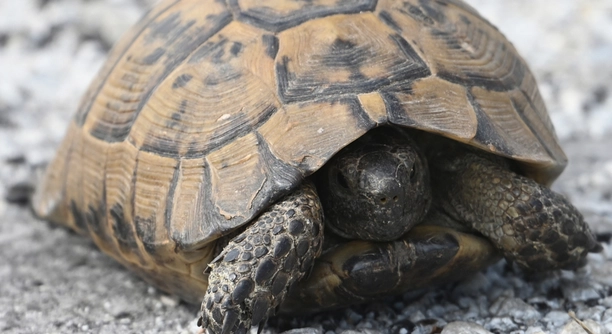
Is your Russian tortoise showing signs of good health, or do you find yourself wondering if it is truly happy?
A healthy and happy Russian tortoise will display active behavior, a good appetite, clear eyes, and smooth breathing. Proper hydration, strong limbs, and a well-formed shell are also key indicators of its overall well-being.
Recognizing these signs can help you provide the best care for your tortoise and ensure it thrives in its environment.
Active and Alert Behavior
A happy Russian tortoise will be active during its waking hours, exploring its enclosure and responding to its surroundings. It may dig, climb, or move around regularly. A tortoise that hides constantly or stays in one spot for long periods might be stressed or unwell. Watching its daily movements can help you understand its well-being. Maintaining an enriching environment with hiding spots, proper substrate, and climbing areas encourages natural behavior. An alert tortoise will react to movement or sounds near its enclosure, showing curiosity rather than fear. A tortoise that remains sluggish despite a proper setup may require veterinary attention.
A tortoise that displays consistent activity levels is more likely to be in good health. If your tortoise is rarely active, it could be due to improper temperatures, dehydration, or illness. Ensuring a balanced diet and proper habitat conditions will help maintain its energy.
If your tortoise suddenly becomes less active, check the temperature and humidity levels in its enclosure. Low temperatures can cause sluggishness, while excessive heat may lead to overheating. Providing a stable and well-regulated environment is essential. Stress can also affect activity levels, so avoid frequent handling and loud noises near its habitat. Ensuring your tortoise has enough space to explore will support its natural instincts.
Strong Appetite
A healthy Russian tortoise will eat regularly and show interest in its food. If it eagerly approaches fresh vegetables and greens, this is a good sign of overall well-being. A lack of appetite may indicate stress or health concerns.
Providing a variety of leafy greens, such as dandelion greens and collard greens, ensures proper nutrition. Occasional treats like squash or bell peppers add variety to its diet. Fresh, pesticide-free food is always the best choice. If your tortoise refuses food for more than a few days, check for signs of illness or improper enclosure conditions.
Dehydration can also impact appetite. Ensure a shallow water dish is always available, and soak your tortoise in lukewarm water a few times a week to keep it hydrated. If your tortoise continues to avoid food, consider environmental factors like temperature fluctuations or substrate quality. A well-fed tortoise is more likely to stay active and healthy, so keeping track of its eating habits is important.
Clear Eyes and Smooth Breathing
Bright, clear eyes are a sign of good health in a Russian tortoise. Eyes should be free of swelling, discharge, or cloudiness. Labored breathing, wheezing, or bubbles from the nose can indicate respiratory issues that need immediate attention.
A healthy tortoise will have steady, quiet breathing without any unusual sounds. If you notice open-mouth breathing, excessive yawning, or lethargy, check the humidity and temperature levels in its enclosure. Respiratory infections are common in tortoises exposed to cold temperatures for long periods. Keeping the habitat warm and dry helps prevent these issues. A well-ventilated enclosure with clean bedding reduces the risk of respiratory problems.
Eye infections can occur if the enclosure is too dry or dusty. Rinsing your tortoise’s eyes with reptile-safe saline solution can help clear minor irritations. If the problem persists, a veterinarian should examine your tortoise for infections or underlying health concerns. Good hygiene and proper humidity levels are key to preventing eye and respiratory issues.
Strong Limbs and a Well-Formed Shell
A Russian tortoise with strong limbs will move with ease and have a firm grip when walking. Weakness, dragging limbs, or swollen joints can indicate nutritional deficiencies or metabolic bone disease. Regular movement and a sturdy posture show that your tortoise is thriving.
A well-formed shell should be smooth and firm, without soft spots, dents, or irregular growth. A bumpy or deformed shell can be a sign of improper diet, lack of UVB light, or calcium deficiency. Providing proper lighting and calcium supplements helps support strong shell development. Without these essentials, a tortoise’s shell may weaken over time.
If the shell appears flaky or discolored, check for signs of fungal infections or shell rot. Keeping the enclosure clean and dry prevents bacterial buildup. Regularly inspecting your tortoise’s shell and limbs helps you detect early signs of illness. Proper nutrition, lighting, and hygiene are essential for maintaining strong limbs and a healthy shell.
Regular Digging and Burrowing
A healthy Russian tortoise will dig and burrow regularly, especially when it needs to regulate its body temperature or feel secure. Lack of digging behavior could mean stress, improper substrate, or incorrect temperature levels in its enclosure. Providing a deep, loose substrate encourages this natural instinct.
Burrowing helps a tortoise feel safe and comfortable. If your tortoise stops burrowing, check for environmental factors that may be affecting its behavior. Cold temperatures, lack of hiding spots, or dehydration can discourage digging. Ensuring a proper habitat setup will support this essential behavior.
Proper Hydration
A well-hydrated tortoise will have smooth skin, clear eyes, and a firm shell. Sunken eyes, wrinkled skin, or prolonged inactivity can be signs of dehydration. A shallow water dish should always be available, and occasional warm soaks help maintain hydration levels.
Normal Bowel Movements
Regular bowel movements indicate a well-functioning digestive system. A healthy Russian tortoise should pass firm, well-formed droppings without signs of diarrhea or undigested food. Constipation or runny stool may signal dietary imbalances, dehydration, or illness.
FAQ
How often should I feed my Russian tortoise?
Adult Russian tortoises should be fed once a day, while younger tortoises may require smaller meals twice a day. Their diet should consist mainly of leafy greens like dandelion greens, collard greens, and mustard greens. Occasional vegetables, such as squash or bell peppers, can be included for variety. Avoid fruits, as they can disrupt their digestive system. Always provide fresh, pesticide-free food and remove uneaten portions to prevent spoilage. Ensuring a calcium supplement is included in their diet helps maintain strong bones and shell health.
Why is my Russian tortoise not eating?
Loss of appetite can be caused by several factors, including stress, improper temperature, dehydration, or illness. If your tortoise recently moved to a new environment, it may take time to adjust. Check the enclosure temperature, as cold conditions can slow their metabolism and reduce their desire to eat. Ensure fresh food is available daily and that their diet is varied. If your tortoise refuses food for more than a few days, consider offering a warm soak to help with hydration. If the problem persists, a veterinarian should be consulted to rule out any health concerns.
How can I tell if my Russian tortoise is dehydrated?
A dehydrated tortoise may have sunken eyes, dry skin, and a lack of energy. Wrinkled skin, reduced appetite, and hard or infrequent stool are also common signs. Providing a shallow water dish in the enclosure is essential, and regular warm soaks help maintain hydration. A well-hydrated tortoise will have clear eyes, smooth skin, and normal activity levels. If dehydration persists despite proper care, check the humidity levels in the habitat and consult a veterinarian if needed.
How much UVB light does my Russian tortoise need?
Russian tortoises require 10–12 hours of UVB exposure daily to process calcium and maintain a strong shell. A high-quality UVB bulb should be placed within the enclosure, ideally 12–18 inches from the basking area. Natural sunlight is also beneficial, but direct outdoor exposure should always be supervised. Without proper UVB lighting, a tortoise can develop metabolic bone disease, which leads to weak limbs and shell deformities. Replace UVB bulbs every 6–12 months to ensure they provide adequate radiation.
What is the best temperature for a Russian tortoise enclosure?
The basking area should be kept at 90–95°F, while the cooler side of the enclosure should stay between 70–80°F. Nighttime temperatures can drop to around 65°F, but anything lower may cause health issues. Using a high-quality heat lamp and a thermometer ensures consistent temperature control. Russian tortoises thrive in warm environments, and improper temperatures can lead to sluggish behavior or respiratory infections.
Why is my Russian tortoise burrowing so much?
Burrowing is a natural behavior that helps regulate body temperature and provides a sense of security. If your tortoise is burrowing excessively, check the enclosure’s temperature, as it may be too hot or too cold. Providing a deep, loose substrate allows for natural burrowing without causing stress. A well-balanced environment will reduce excessive burrowing.
Can Russian tortoises live with other tortoises?
Russian tortoises are territorial and generally do best when housed alone. When kept together, they may become aggressive, especially males, which can result in stress or injury. If multiple tortoises must share a space, ensure there is plenty of room and hiding spots to minimize competition. Monitoring their behavior closely can help prevent conflicts.
How often should I clean my Russian tortoise’s enclosure?
Spot-clean the enclosure daily by removing waste and uneaten food. A full cleaning, including changing the substrate and disinfecting the habitat, should be done every few weeks. Keeping the enclosure clean helps prevent bacterial buildup, respiratory issues, and shell infections. Using a reptile-safe disinfectant ensures a safe environment.
What are common health problems in Russian tortoises?
Common health issues include respiratory infections, metabolic bone disease, shell rot, and parasites. Respiratory infections often occur due to cold or damp conditions and can cause wheezing, runny nose, or difficulty breathing. Metabolic bone disease results from insufficient UVB exposure and calcium deficiency, leading to weak limbs and a deformed shell. Shell rot is caused by bacterial infections, usually from dirty or overly damp substrate. Parasites can lead to weight loss, diarrhea, and lethargy. Regular vet checkups and proper care help prevent these issues.
Why is my Russian tortoise scratching at the walls of its enclosure?
Scratching at the walls can be a sign of boredom, stress, or an enclosure that is too small. Russian tortoises need ample space to explore and burrow. If the enclosure is too small, consider upgrading to a larger habitat with more enrichment. Providing a varied environment with climbing structures, different textures, and natural hiding spots can help keep your tortoise stimulated. If scratching continues despite a proper setup, check for stress factors such as excessive noise, frequent handling, or incorrect temperatures.
Can I let my Russian tortoise roam around my house?
Allowing your tortoise to roam freely indoors is not recommended, as it can be difficult to maintain proper temperatures outside the enclosure. Cold flooring, accidental ingestion of harmful objects, or injury from falls can pose risks. If you want to provide additional space for exploration, consider setting up a secure outdoor enclosure with proper fencing and supervision.
How long do Russian tortoises live?
With proper care, Russian tortoises can live 40–50 years or more. A well-maintained habitat, a balanced diet, and regular vet checkups contribute to a long, healthy life. Ensuring proper UVB lighting, hydration, and environmental conditions plays a crucial role in their overall lifespan.
Final Thoughts
Caring for a Russian tortoise means paying attention to its daily habits, diet, and environment. A happy and healthy tortoise will be active, eat regularly, and show natural behaviors like burrowing and exploring. Clear eyes, smooth breathing, and strong limbs are signs that your tortoise is thriving. Providing the right temperature, humidity, and UVB lighting ensures that your pet stays in good condition. Regular monitoring of its shell, skin, and behavior helps catch any health concerns early. A well-balanced diet with calcium supplements is essential for maintaining strong bones and shell development. Small changes in appetite or activity levels can indicate stress or illness, so keeping track of your tortoise’s routine is important.
Creating a proper habitat allows your tortoise to feel comfortable and secure. A spacious enclosure with a deep, loose substrate encourages burrowing, while a clean and warm environment helps prevent respiratory issues and shell infections. Fresh water should always be available, and occasional warm soaks support hydration. Cleaning the enclosure regularly and removing uneaten food prevents bacteria buildup. While Russian tortoises are independent reptiles, they still require daily care to stay healthy. Avoiding frequent handling and loud noises can help reduce stress, allowing your tortoise to feel safe in its space.
Understanding the needs of your Russian tortoise helps you provide the best care for a long and healthy life. These reptiles can live for several decades, making them a long-term commitment. Observing their behavior and responding to any changes ensures their well-being. Keeping a consistent routine with proper lighting, temperature, and diet will support their natural instincts. If any health concerns arise, consulting a reptile veterinarian is always the best approach. By maintaining a stable and enriching environment, your Russian tortoise can remain active, content, and in good health for years to come.

Hello,
If you enjoy the content that we create, please consider saying a "Thank You!" by leaving a tip.
Every little bit helps us continue crafting quality advice that supports the health, happiness, and well-being of pets around the world, for pets of all shapes, sizes, and species.
We really appreciate the kindness and support that you show us!