
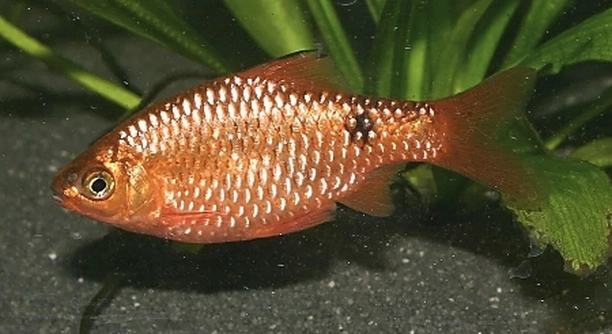
Is your Rosy Barb darting around restlessly or acting out of character in its aquarium home? These subtle signs can signal discomfort.
Rosy Barbs may show signs of stress or illness when kept in tanks that are too small. Inadequate space affects their swimming behavior, growth, and overall health. Recognizing the signs early helps ensure their long-term well-being.
Recognizing these behavioral changes is the first step toward creating a better environment for your fish to thrive in.
Sign #1: Constant Pacing Along the Glass
Rosy Barbs are active swimmers by nature, but if yours is constantly pacing along the tank glass, it could mean something is wrong. This repetitive behavior often signals stress or frustration, usually linked to inadequate space. In small tanks, fish lack room to follow natural swimming patterns, and their stress can build over time. They may seem restless or display fast darting movements that appear anxious rather than playful. This is not just a personality trait—it’s a reaction to feeling confined. A bigger tank provides more room to explore and reduces the need for these repetitive movements, supporting mental and physical health. You may also notice fewer attempts to interact with the glass or tank walls once their environment is upgraded. Watching your fish swim freely without the constant pacing is one of the easiest ways to confirm you’ve created a more suitable habitat. The change in behavior can be quite noticeable.
This pacing isn’t about boredom; it’s a real sign that your fish may feel trapped or unsettled in its environment.
Increasing the tank size gives your Rosy Barb the space it needs to swim comfortably. You’ll likely see a calmer, more relaxed fish almost immediately after making this change.
Sign #2: Faded or Dull Coloration
Bright color is a good sign your Rosy Barb is happy and healthy. When the tank is too small, stress builds up, leading to dull or faded colors.
Color loss in Rosy Barbs is often linked to chronic stress, poor water quality, and restricted space. When a tank is undersized, water conditions deteriorate faster, and territorial disputes increase. Rosy Barbs thrive in small groups and need space to swim and socialize without constantly bumping into each other. When they’re stressed, their vibrant red-gold hue can turn pale. You might also notice their fins clamping or slight discoloration along the body. These physical signs can be easy to overlook, especially for first-time keepers, but they shouldn’t be ignored. Adding more space helps stabilize water conditions, reduces aggression, and supports natural behaviors—all of which contribute to brighter coloration. A well-sized tank can make a noticeable difference in how your fish looks and acts, leading to a healthier, more vibrant Rosy Barb.
Sign #3: Aggressive Behavior Toward Tankmates
Rosy Barbs are usually peaceful, but limited space can lead to aggressive behavior. You may notice chasing, nipping, or dominance displays. These actions often increase when fish feel crowded or lack areas to establish personal space within the tank.
In small tanks, Rosy Barbs struggle to maintain proper schooling behavior and often become territorial. Aggression can show as constant chasing or fin-nipping, especially if tankmates can’t escape. When fish are forced into close quarters, natural hierarchies become unstable, leading to frequent tension. Larger tanks allow for better swimming space, more hiding spots, and enough room for each fish to establish its zone. You’ll often see aggression decrease once the tank size is increased, as fish feel less threatened and more secure. It’s not just about size—it’s about structure and balance in their living space.
If your Rosy Barb is becoming aggressive, a bigger tank can help restore peace. Giving them space supports group harmony, reduces stress, and improves their overall behavior. Avoid placing too many decorations that limit swimming areas. Instead, focus on open space and balanced plant coverage. The more room they have to swim and spread out, the less likely they are to lash out.
Sign #4: Gasping at the Surface
When a Rosy Barb spends time gasping at the surface, it may not be getting enough oxygen. Smaller tanks with poor water circulation often struggle to maintain proper oxygen levels, especially when overcrowded.
In a small tank, oxygen can run low quickly, especially if filtration is weak or there’s too much waste. When Rosy Barbs gasp at the top, it usually means they’re stressed and unable to breathe comfortably. This isn’t just a temporary issue—it can lead to serious health problems if not addressed. Adding an air stone or improving water flow might help in the short term, but long-term relief comes from a bigger tank. More surface area means better gas exchange, and a larger volume supports stable oxygen levels. A healthy Rosy Barb should swim actively at all levels, not hang near the top struggling for air. Consider tank size as an essential part of supporting their breathing needs.
Sign #5: Lack of Appetite
When Rosy Barbs stop eating or show little interest in food, it’s often a sign something is wrong. Crowded tanks cause stress, which can lead to appetite loss and poor digestion.
Feeding time should bring energy and excitement. If your fish ignore food or eat less than usual, a cramped space might be the reason.
Sign #6: Unnatural Swimming Patterns
Rosy Barbs swimming erratically, flipping, or hovering in corners may be reacting to stress from a tight environment. These unnatural patterns aren’t playful—they signal discomfort. In a spacious tank, their swimming becomes smoother, more confident, and evenly spread across all areas of the tank.
Sign #7: Stunted Growth
Rosy Barbs that remain smaller than expected may be experiencing stunted growth due to limited space. A tank that’s too small restricts development and can affect their overall health and lifespan.
FAQ
How many Rosy Barbs can I keep in one tank?
Rosy Barbs are schooling fish, and they thrive in groups of at least five. Keeping them in small groups can reduce stress and improve their social behavior. A good rule is to allow a minimum of 5 gallons per fish. So, if you have five Rosy Barbs, a 25-gallon tank is the absolute minimum. However, bigger is always better. A 30- to 40-gallon tank allows more swimming space, better water quality, and room for plants or hiding spots. When fish have enough room, they display brighter colors and more natural movement. Overcrowding leads to aggression, illness, and water problems.
What is the ideal tank size for Rosy Barbs?
A 30-gallon tank is considered a good starting point for a small group of Rosy Barbs. This gives them room to swim, school, and explore without feeling cramped. If you plan to keep more than five, consider 40 gallons or more. These fish are active and need horizontal swimming space. Tanks that are too tall and narrow won’t give them what they need. Long tanks with stable temperatures and proper filtration provide the best environment. A larger tank also means more stable water chemistry and less frequent cleaning, making it easier to manage their care.
Can a small tank affect my Rosy Barb’s health long-term?
Yes, keeping Rosy Barbs in a small tank can affect their health over time. Limited space causes stress, which weakens the immune system. This can lead to faded colors, poor appetite, and even disease. Growth may be stunted, and they might not live as long. Small tanks also make it harder to keep water parameters stable. Ammonia and waste build up faster, especially in a tank with multiple fish. Over time, poor water quality can damage gills and internal organs. Investing in a larger tank supports their health and lets them grow to their full size naturally.
Do Rosy Barbs need tankmates or can they live alone?
Rosy Barbs are social and do best in groups. Keeping just one or two can lead to boredom and aggression. A group of five or more helps them feel secure and encourages schooling behavior. If you want to add other species, choose peaceful fish that are large enough not to be chased or nipped. Avoid slow-moving fish with long fins. Rosy Barbs are active and may become overly curious, which can stress other tankmates. Fish like Zebra Danios, Loaches, or other fast, semi-aggressive types can coexist well in a large enough tank with enough cover.
What signs should I watch for if the tank is too small?
Watch for constant pacing, aggressive chasing, poor appetite, dull coloration, or hanging near the water surface. These signs may appear one at a time or all together. They can develop gradually, which is why it’s important to notice small changes early. Rosy Barbs in a healthy, spacious tank should swim freely, interact with each other, and show a good appetite. Their color should be vibrant, and they should not act fearful or hide excessively. If several of these warning signs appear, upgrading to a bigger tank and improving water quality can lead to quick improvements in behavior and health.
Final Thoughts
Caring for Rosy Barbs means more than just feeding them and cleaning the tank. Tank size plays a major role in their health, behavior, and overall happiness. A tank that’s too small can cause stress, limit their movement, and lead to long-term problems like poor appetite, faded colors, and even stunted growth. These are not just minor issues—they affect the fish’s quality of life. When kept in a proper environment, Rosy Barbs become more active, colorful, and peaceful. You’ll notice the difference quickly once their space is improved. A bigger tank gives them room to swim naturally and supports better water conditions, which reduces stress and illness.
Many fish owners start with a smaller tank, thinking it’s easier to manage. But smaller tanks often lead to more problems. Waste builds up faster, water conditions become unstable, and fish feel crowded. This leads to behavior issues like pacing, nipping, or gasping at the surface. Making the choice to upgrade is not just about following guidelines—it’s about understanding what your fish truly need. Rosy Barbs are social and active fish. They need space to swim, room to interact, and clean water to thrive. A larger tank meets all these needs and reduces the risk of long-term issues. It also gives you more options when it comes to tank mates and plants.
If you’ve noticed any of the signs covered in this article, it may be time to rethink your setup. Even a simple upgrade can make a big difference. Choosing the right tank size helps your fish live longer, stay healthier, and behave more naturally. It can also make your role as a fish keeper easier and more rewarding. Watching your Rosy Barbs swim freely, show bright colors, and interact peacefully with others is a clear sign that you’re doing something right. With the right space, your fish will not only survive—they’ll thrive. Providing a better environment doesn’t require fancy equipment or expensive accessories. Most of the time, it simply starts with more room. When in doubt, always choose the bigger tank. Your Rosy Barbs will thank you in their own quiet, graceful way.

Hello,
If you enjoy the content that we create, please consider saying a "Thank You!" by leaving a tip.
Every little bit helps us continue crafting quality advice that supports the health, happiness, and well-being of pets around the world, for pets of all shapes, sizes, and species.
We really appreciate the kindness and support that you show us!