
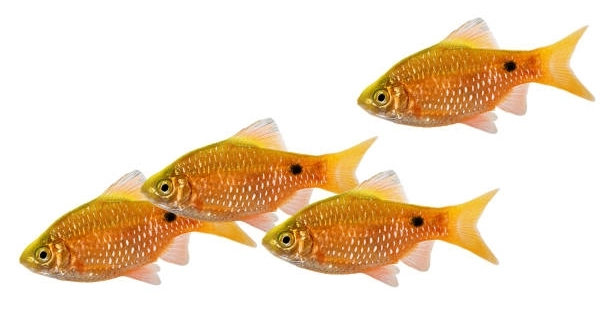
Rosy barbs are lively fish that bring color and movement to home aquariums. Many owners enjoy watching their playful behavior and bright red fins. Knowing when they need more companions is important for their well-being and happiness.
A rosy barb requires a larger school when signs such as increased aggression, stress, and lack of activity appear. These behaviors indicate the fish needs more social interaction to maintain natural group dynamics and reduce negative effects caused by isolation or small groups.
Recognizing these signs early helps ensure your rosy barbs thrive in a comfortable environment. This guide will explain key indicators to watch for and how to improve their living conditions.
Restlessness and Increased Activity
When rosy barbs are kept in too small a group, they often become restless. Instead of swimming calmly, they dart around the tank more than usual. You might notice them chasing each other aggressively or swimming near the surface a lot. This behavior shows they are feeling uneasy. In a larger school, they have more space to interact naturally, which helps them settle. Restlessness is a clear sign that your rosy barbs need more companions to feel secure and balanced. Without enough social interaction, their stress levels rise, leading to unhealthy habits like hiding or even losing color.
Restlessness often points to boredom or stress caused by an insufficient group size. A bigger school reduces this and helps calm them down.
Increasing the number of rosy barbs in your tank can make a big difference. With more fish around, they form natural social bonds. These bonds help distribute energy and reduce chasing and fighting. The group feels safer and more stable, which lowers stress. Adding more fish means everyone has a chance to swim freely and explore, making their environment more enriching. This change improves their health and appearance, as calmer fish maintain better color and condition.
Aggression Towards Tank Mates
Aggression in rosy barbs often signals a need for a bigger school. When they are alone or in small groups, they can become territorial or chase other fish more aggressively.
This behavior usually occurs because rosy barbs are naturally social fish that rely on a larger group for balance. In a small school, the social structure is weak, and dominant fish may target others more often. This leads to injuries or stress in the tank. Adding more rosy barbs creates a larger group, spreading out aggression and helping fish establish clearer social roles. This reduces conflict and keeps the tank peaceful.
In a larger school, aggressive behavior lessens as fish focus on each other instead of bullying weaker tank mates. A well-sized group supports natural behavior, improving the overall health of your rosy barbs and other fish living with them.
Loss of Color and Fading Fins
A rosy barb’s color can fade when it feels stressed or lonely. Bright reds and oranges dull, making the fish look less vibrant.
Color loss happens because stressed fish produce fewer pigments and often lose appetite. Without enough companions, rosy barbs feel insecure, which affects their health and appearance. They may also hide more, reducing the chances to show off their natural colors. Ensuring a larger school keeps them happier and encourages natural, vivid coloring.
Adding more rosy barbs not only helps reduce stress but also stimulates social behavior that enhances their colors. Fish in larger groups interact more, swim actively, and appear healthier overall. The vibrancy of a rosy barb is a good indicator of its well-being, and maintaining a proper school size plays a major role in keeping these beautiful colors bright.
Hiding and Withdrawal
Rosy barbs that hide often may feel unsafe or stressed. When their group is too small, they lack the social support needed to feel secure in the tank.
Withdrawal can also indicate that your fish need more companions to encourage natural behavior and reduce fear.
Reduced Feeding Response
When rosy barbs are stressed or lonely, they often eat less or ignore food. This can lead to poor health over time.
A larger school helps create a calmer environment, encouraging regular feeding habits and maintaining their energy levels.
Increased Stress Levels
Stress in rosy barbs is common when they do not have enough companions. Stress weakens their immune system, making them more prone to illness.
Maintaining a bigger school helps lower stress by providing social comfort and natural group interaction. This leads to healthier, more active fish that display natural behaviors and better coloration.
Erratic Swimming Patterns
Erratic or unusual swimming can be a sign of discomfort caused by social isolation or stress due to a small group size.
FAQ
How many rosy barbs should I keep together?
Rosy barbs are schooling fish and do best in groups of at least six. Smaller groups can cause stress and aggressive behavior. Keeping six or more helps them feel secure and display natural social behaviors. Larger groups create a more balanced environment where no single fish feels pressured or isolated.
Can rosy barbs survive alone or in pairs?
While they might survive, keeping rosy barbs alone or in pairs is not recommended. They become restless, aggressive, and may lose color. Their natural instinct is to swim in schools, so small numbers disrupt their social balance, causing stress and health problems over time.
What tank size is ideal for a bigger school of rosy barbs?
A tank of at least 30 gallons is recommended for a school of six or more rosy barbs. More space allows them to swim freely and reduces territorial fights. Larger tanks also help maintain water quality, which is essential for their health and coloration.
How can I tell if my rosy barbs are stressed?
Signs of stress include hiding, loss of color, erratic swimming, and reduced appetite. Stressed rosy barbs may also show aggression or become unusually lethargic. If these signs appear, it’s a good idea to check if their group size is too small or if the environment is causing discomfort.
What are some ways to reduce aggression in rosy barbs?
Increasing the school size is the most effective way. More fish help spread out aggression and reduce bullying. Also, providing plenty of hiding spots and plants can give shy fish places to retreat. Regular water changes and maintaining proper water conditions also keep fish calmer.
Is it okay to add more rosy barbs to an existing group?
Yes, but do it slowly and carefully. Introducing new fish gradually helps reduce stress and aggression. Quarantine new barbs before adding them to the tank to avoid spreading disease. Watch interactions closely during the first few days to ensure they adjust well.
Can rosy barbs live with other fish species?
Rosy barbs generally do well with other peaceful fish of similar size. Avoid very small fish that might be bullied or very aggressive species. Tank mates should be active but not overly aggressive to maintain a peaceful aquarium.
What happens if I don’t increase the school size?
If the school stays too small, rosy barbs can become aggressive, stressed, and unhealthy. They may lose color, refuse to eat, or develop illnesses. Long-term stress affects their lifespan and overall quality of life.
How often should I monitor my rosy barbs’ behavior?
Regular observation is important. Check daily for changes in activity, appetite, and social interactions. Early detection of problems like aggression or hiding can help you make quick adjustments, such as increasing the group size or improving tank conditions.
Are there any signs that show my rosy barbs are happy in their school?
Happy rosy barbs swim actively in groups, show bright colors, and have balanced social interactions with little fighting. They feed well and explore the tank confidently. These behaviors indicate they feel safe and comfortable with their companions.
Rosy barbs are lively fish that enjoy the company of others. Keeping them in a school that is too small can cause many problems. When their group is too small, they may show signs of stress, aggression, and loss of color. These are clear signals that your rosy barbs need more companions to feel comfortable and healthy. A larger school helps them behave naturally and keeps them happy.
It is important to watch your fish closely for changes in behavior. If they start hiding, swimming erratically, or chasing each other too much, it might be time to add more rosy barbs to your tank. Also, make sure your tank is big enough to support a larger group. A tank that is too small will only cause more stress. With enough space and the right number of fish, your rosy barbs will show brighter colors and swim more calmly.
Making sure your rosy barbs have a proper school size is one of the best ways to care for them. A healthy school reduces stress and aggression, promotes natural behavior, and helps maintain their bright, beautiful colors. Taking the time to create the right environment will keep your rosy barbs thriving for years. Watching a happy, active school of rosy barbs can be very rewarding and adds life to any aquarium.

Hello,
If you enjoy the content that we create, please consider saying a "Thank You!" by leaving a tip.
Every little bit helps us continue crafting quality advice that supports the health, happiness, and well-being of pets around the world, for pets of all shapes, sizes, and species.
We really appreciate the kindness and support that you show us!