
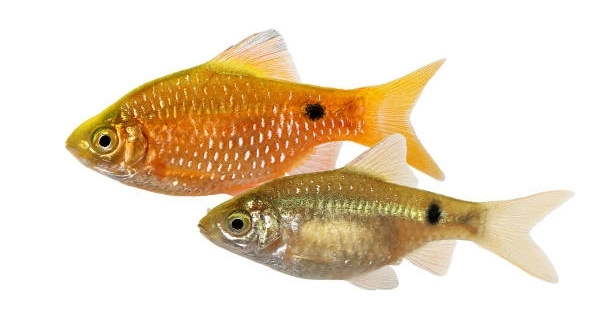
Rosy barbs are popular freshwater fish known for their bright colors and active behavior. Like any pet, they can face health problems that affect their appearance and activity. Recognizing early signs of illness is important for their care and well-being.
Common signs of sickness in rosy barbs include changes in color, clamped fins, lethargy, loss of appetite, abnormal swimming, visible spots or wounds, and rapid breathing. Identifying these symptoms early helps in providing timely treatment and improving recovery chances.
Knowing these signs can help protect your fish and maintain a healthy aquarium environment. The following information will guide you on what to watch for and how to respond effectively.
Changes in Color and Clamped Fins
One of the first noticeable signs that a rosy barb is unwell is a change in its color. Healthy rosy barbs usually display vibrant red or pink hues, especially on their fins and bodies. When these colors start to fade or become dull, it can indicate stress or illness. Alongside this, clamped fins—where the fins stay close to the body instead of spreading out—are a clear sign that something is wrong. These symptoms often appear together and may be caused by poor water quality, infections, or improper diet. It’s important to check water parameters regularly and ensure the tank environment is stable. If the problem persists, consulting a veterinarian or fish expert may be necessary to diagnose the specific issue. Taking early action can prevent more serious health complications for your fish.
Faded colors and clamped fins typically signal stress or infection, requiring prompt attention to water conditions and diet.
Observing your fish daily helps you notice subtle changes in color or fin behavior early. Keeping a clean, stable tank reduces stress and lowers the risk of infections. Sometimes adding aquarium salt or medicated treatments helps, but always follow recommended guidelines. Nutrition also plays a big role; feeding a balanced diet with high-quality flakes or pellets supports their immune system. If symptoms worsen or last longer than a few days, professional advice is essential to protect your rosy barb’s health.
Lethargy and Loss of Appetite
Lethargy is a common sign that your rosy barb may be sick. A fish that normally swims actively and explores its tank might start hiding, resting at the bottom, or moving sluggishly. Alongside this, loss of appetite is another major indicator. When your fish refuses food or eats much less than usual, it’s often a response to stress or illness. These symptoms may point to internal infections, parasites, or poor water conditions. It’s vital to monitor feeding habits and behavior closely. Adjusting water temperature and improving diet can sometimes help. If the fish remains lethargic and refuses food for more than a couple of days, it is advisable to take further steps such as water testing or consulting a professional for diagnosis and treatment.
Abnormal Swimming and Visible Spots
Abnormal swimming behavior in rosy barbs can indicate illness. This includes erratic movements, floating near the surface, or sinking to the bottom. These signs suggest internal issues or stress.
Erratic swimming is often caused by parasites, poor water quality, or swim bladder problems. Parasites irritate the fish, making it difficult to swim normally. Poor water conditions, such as high ammonia or nitrite levels, can also affect their balance and cause unusual movements. Swim bladder disorder, which affects buoyancy, might result from infections or overfeeding. Observing these symptoms early is key to preventing more serious problems. Testing the water and improving cleanliness usually helps, but medical treatment might be necessary.
Visible spots or wounds on rosy barbs are also warning signs. White spots often indicate ich, a common parasite. Red sores or ulcers suggest bacterial infections. Prompt treatment is essential to stop the illness from spreading. Keeping the tank clean and quarantining new fish can reduce risks.
Rapid Breathing and What to Do
Rapid breathing in rosy barbs signals distress. It can result from poor oxygen levels or gill infections. Monitoring water quality and aeration helps prevent this issue.
Low oxygen in the tank makes fish breathe faster to get enough air. Poor water circulation or overcrowding often causes oxygen depletion. Gill infections caused by bacteria or parasites also lead to rapid breathing. In both cases, improving water flow and increasing oxygen with air stones can provide relief. Regular water changes keep the environment healthy. If symptoms continue, using appropriate medication after identifying the infection type is necessary. Prompt action improves the chances of recovery and keeps your fish comfortable.
Tank Cleanliness and Water Quality
Poor tank cleanliness is a leading cause of rosy barb illness. Dirty water increases harmful bacteria and toxins that stress fish. Maintaining regular water changes helps keep the environment safe.
Testing water parameters like pH, ammonia, nitrite, and nitrate levels is essential. Balanced conditions prevent stress and illness. Proper filtration also supports healthy water quality.
Proper Diet and Nutrition
A balanced diet strengthens a rosy barb’s immune system and supports overall health. Feeding high-quality flakes, pellets, and occasional live or frozen foods provides necessary nutrients. Avoid overfeeding to prevent digestive issues and water pollution, which can lead to sickness.
Quarantine New Fish
Introducing new fish without quarantine risks spreading disease. A separate tank for at least two weeks allows observation and treatment of potential illnesses before adding to the main tank. This simple step protects your rosy barbs from infections and stress.
Monitoring Behavior
Regular observation of your rosy barbs helps catch early signs of sickness. Watching their swimming, eating, and interaction patterns is important for timely care and treatment.
FAQ
How can I tell if my rosy barb is sick?
Look for changes like faded colors, clamped fins, sluggish swimming, loss of appetite, visible spots, or rapid breathing. These signs often mean your fish is stressed or ill and needs attention. Regular observation helps catch problems early before they worsen.
What should I do if my rosy barb shows signs of illness?
First, check water quality and temperature. Poor water conditions are a common cause of sickness. Perform partial water changes and ensure proper filtration. Isolate the affected fish if possible to prevent spreading. Depending on symptoms, use appropriate medications after confirming the illness.
Can diet affect my rosy barb’s health?
Yes. A poor diet weakens the immune system and makes fish vulnerable to disease. Feed a balanced mix of quality flakes, pellets, and occasional live or frozen food. Avoid overfeeding to prevent digestive problems and water pollution.
Why is my rosy barb swimming oddly or having trouble staying upright?
Abnormal swimming often points to swim bladder issues, parasites, or infections. Swim bladder problems affect buoyancy and may result from poor diet or injury. Parasites irritate fish, causing erratic movements. Treatment depends on the cause, so careful diagnosis is needed.
How often should I clean my aquarium?
Regular maintenance is key. Partial water changes of 20-30% should happen weekly or biweekly depending on tank size and fish load. Clean the substrate and check the filter regularly. Keeping the tank clean reduces harmful bacteria and toxins that cause illness.
Is quarantine necessary for new fish?
Yes. Quarantine new fish for at least two weeks in a separate tank. This prevents introducing diseases into your main aquarium. During this time, monitor the new fish for signs of illness and treat if needed before mixing them with others.
What causes rapid breathing in rosy barbs?
Rapid breathing usually indicates low oxygen levels or gill infections. Poor water circulation, overcrowding, or dirty water lowers oxygen. Gill infections caused by bacteria or parasites also cause this symptom. Improve aeration and water quality, and consider medical treatment if infections are suspected.
Can temperature changes affect my rosy barb’s health?
Yes. Rosy barbs prefer stable temperatures between 72-78°F (22-26°C). Sudden or extreme changes stress fish and weaken their immune system. Keep the aquarium heater reliable and avoid placing the tank near drafts or direct sunlight.
Are there home remedies to treat common illnesses in rosy barbs?
Some issues respond to improved water quality, adding aquarium salt, or adjusting diet. However, bacterial or parasitic infections usually require specific medications. Avoid using treatments without proper diagnosis to prevent harming your fish or beneficial bacteria.
How can I prevent disease in my rosy barbs?
Maintain good water quality, provide a balanced diet, avoid overcrowding, and quarantine new fish. Regularly check water parameters and clean the tank. Early detection of symptoms and prompt care are essential for keeping your fish healthy.
Rosy barbs are vibrant and lively fish that can bring a lot of enjoyment to an aquarium. Like any pet, they require proper care to stay healthy and active. Recognizing the signs of illness early is an important part of maintaining their well-being. Changes in color, behavior, or appetite often indicate that something is wrong. Paying close attention to these signs helps ensure your fish receive the care they need before problems become severe.
Maintaining a clean and stable tank environment is essential for preventing many common health issues in rosy barbs. Regular water changes, proper filtration, and monitoring water parameters support a healthy habitat. Along with a balanced diet, these efforts strengthen your fish’s immune system and reduce stress. Stress weakens fish and makes them more vulnerable to infections. Taking the time to create the right conditions in your aquarium can save your rosy barbs from many potential illnesses.
If your fish do become sick, acting quickly and carefully is key. Identifying symptoms and addressing their causes can improve recovery chances. Sometimes changes in water quality or diet are enough to help, but other situations require medication or professional advice. It is always better to catch health problems early. Keeping a close eye on your fish’s behavior and appearance helps you notice issues as they start. With consistent care and attention, your rosy barbs can thrive and remain a beautiful part of your home.

Hello,
If you enjoy the content that we create, please consider saying a "Thank You!" by leaving a tip.
Every little bit helps us continue crafting quality advice that supports the health, happiness, and well-being of pets around the world, for pets of all shapes, sizes, and species.
We really appreciate the kindness and support that you show us!