
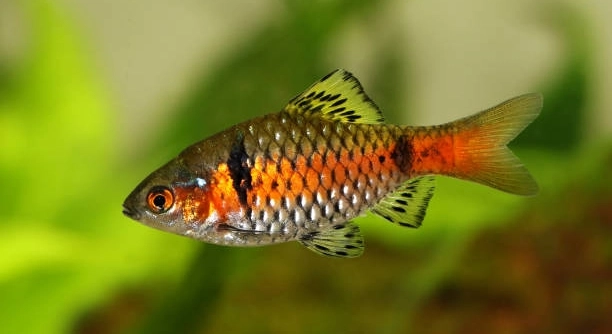
Do you ever find yourself worried that your rosy barb might not be as lively or social as it used to be?
Rosy barbs are social fish that thrive in groups, and when kept alone or in small numbers, they may display signs of stress, lethargy, or unusual behavior due to loneliness and lack of stimulation.
Learning how to recognize these signs and make a few simple changes can lead to a healthier and happier life for your fish.
Signs Your Rosy Barb Might Be Lonely
Rosy barbs are active, social fish that naturally enjoy being in groups. If yours is often hiding, swimming frantically, or pacing the tank, it may be showing early signs of loneliness. These fish are happiest in schools of five or more, and when kept alone, their behavior can shift. You might notice your barb becoming less colorful or showing aggression toward tank mates that aren’t of the same species. Some even stop eating or become sluggish. These changes are often signs that the fish is not thriving in its current environment. While other issues can cause similar behavior, loneliness is common when these fish are housed in isolation. Providing them with social interaction by adding compatible tank mates can make a noticeable difference. A lonely rosy barb may not show excitement during feeding times or may seem uninterested in its surroundings. These small changes in behavior should not be ignored.
Keep an eye out for sudden shifts in color, activity, or appetite.
In some cases, a lonely rosy barb may also become aggressive or nip at other fish. This behavior usually comes from stress and frustration. A lack of social connection can cause confusion and irritability, especially in fish used to schooling in the wild.
How to Help Your Rosy Barb Thrive
Start by checking your tank size. A tank under 20 gallons is usually too small to house a group of rosy barbs.
To improve your rosy barb’s well-being, begin by introducing at least four to five other rosy barbs into the tank. These fish are much calmer and more interactive when they live in a group. Make sure your tank is large enough to support multiple fish—around 30 gallons or more is ideal for a small school. Also, be sure to provide plenty of plants and hiding spots so the fish feel safe and comfortable. A good mix of open swimming areas and sheltered spots helps them explore and interact naturally. Keep the water clean, stable, and well-oxygenated. Use a good filter and perform regular water changes to avoid stress. Feeding your fish a balanced diet with a mix of flakes, pellets, and occasional treats like blanched vegetables can also boost their mood and energy levels. Observing their behavior closely will help you make small adjustments as needed.
Common Triggers for Loneliness in Rosy Barbs
Being housed alone or with only one other fish is the most common cause. Rosy barbs are schooling fish that feel secure in groups. Without that social structure, they may feel unsafe or stressed.
Other triggers include a lack of stimulation in the tank, such as too few decorations or open space to swim. Poor water conditions, sudden environmental changes, and the absence of natural day-night light cycles can also impact their behavior. Sometimes, they’re kept with fish that don’t match their energy levels, which can make them feel out of place. These small details, when ignored, slowly build stress that can be mistaken for illness or aging. Even a fish that once seemed healthy can start behaving differently due to emotional strain. Observing their daily patterns and making note of any changes helps you address these issues early, before they affect the fish’s long-term health.
Rosy barbs also respond to the energy and movement of their surroundings. If the tank is too quiet or isolated in a room with little activity, your fish might grow bored or less interactive. They benefit from a stable, active setting where they can observe movement and interact with their environment. Tank placement really does matter.
Best Tank Mates for Rosy Barbs
The best tank mates for rosy barbs are peaceful, fast swimmers that can handle the same water conditions. Avoid fish with long, flowy fins, as rosy barbs may nip at them out of curiosity or boredom.
Good choices include zebra danios, cherry barbs, mollies, and platies. These fish are active, easy-going, and enjoy similar temperatures and tank setups. Keeping fish that swim at different levels of the tank also helps reduce crowding and competition. Bottom dwellers like corydoras catfish or small loaches make great companions since they mind their own space and help keep the tank clean. Always introduce new fish gradually and monitor for signs of stress or aggression. A well-balanced tank improves not just your rosy barb’s mood but the overall harmony of the aquarium. Matching energy levels and temperaments is key to building a peaceful, engaging environment where every fish can thrive.
How to Tell It’s Not Illness
If your rosy barb is still eating well, swimming steadily, and has clear eyes and fins, it’s likely not sick. Illness usually comes with visible signs like white spots, swelling, or frayed fins.
Loneliness, on the other hand, shows up through boredom, hiding, or loss of color without physical symptoms.
How Many Rosy Barbs You Should Keep
Rosy barbs thrive in groups of five or more. A small school helps them feel secure, encourages natural behaviors, and reduces stress. When housed alone or in pairs, they often become withdrawn or aggressive. Keeping them in an appropriate group size not only improves their social interaction but also helps them stay active and colorful. Each fish should have enough space to swim freely without feeling crowded, so plan for a tank size that supports their numbers. A 30-gallon tank is usually a good starting point. With the right group and space, they become more playful and less likely to show signs of loneliness.
What to Avoid When Keeping Rosy Barbs
Avoid pairing them with slow or long-finned fish, as they may nip or outpace them. Overcrowding and poor tank conditions also add stress.
FAQ
Can rosy barbs live alone?
Rosy barbs can survive alone, but they won’t thrive. These fish are naturally social and prefer being part of a group. Living alone often leads to stress, boredom, and changes in behavior. You might notice less movement, reduced appetite, or even signs of aggression. They’re much happier and more active when kept with others of their kind. A group of at least five is best to help them feel safe and engaged. Keeping one alone should only be a temporary situation. Long-term isolation isn’t healthy for them, even if they appear fine at first.
Do rosy barbs get aggressive when lonely?
Yes, they can. A lonely rosy barb might start acting out, especially if housed with slower or more passive tank mates. Since they are used to schooling behavior, isolation can make them feel unsettled. This stress can turn into nipping, chasing, or even guarding areas of the tank. It isn’t true aggression but more of a frustrated response to being alone. When placed back into a proper group, these behaviors usually stop. It’s important to watch for these signs and not assume your fish is simply “mean.” It’s often a reaction to stress or discomfort.
How can I tell if my rosy barb is lonely or just shy?
Loneliness often looks like constant hiding, dull color, or aimless swimming. A shy fish might hide briefly but still eat well, come out occasionally, and show some curiosity. If the fish stays withdrawn even when food is added or other fish are active, it might be lonely. Shyness tends to fade with time, especially in calm tanks. Loneliness, on the other hand, continues or worsens if no changes are made. Watching how your fish interacts with its surroundings can help you spot the difference. Look for subtle changes in energy, eating habits, and swimming patterns.
What is the ideal tank setup for rosy barbs?
Rosy barbs need space to swim and explore. A 30-gallon tank is a good starting point for a group of five. The tank should have plants, driftwood, and open areas for swimming. They enjoy both hiding spots and open space. A gentle filter keeps the water moving without too much current. Water should be kept clean with regular maintenance. A temperature range of 72–78°F and a neutral pH works well. Bright lighting can help bring out their colors, but too much light can stress them. Keep things balanced and stable for the best results.
Can I add more rosy barbs to my tank later?
Yes, but do it slowly. Adding new fish all at once can upset the tank’s balance. When introducing new rosy barbs, try to quarantine them first to avoid spreading illness. After that, add two or three at a time. Watch how your current fish react and make sure there’s no bullying or chasing. Slight chasing is normal at first, but it should settle down within a few days. Make sure the tank has enough space for all the fish to swim and hide. Gradual introductions help the group bond and keep the peace.
Why is my rosy barb hiding more than usual?
Frequent hiding can be a sign of stress, loneliness, or environmental issues. If water quality is good and the fish isn’t sick, loneliness might be the cause. Check if your barb has enough companions and room to move around. Stress from incompatible tank mates can also make it hide. Make sure your barb is housed with other active, peaceful fish. It may also be reacting to sudden changes in light, water temperature, or decor. Take a closer look at its daily routine and behavior to spot patterns that might be causing discomfort.
Is it okay to mix male and female rosy barbs?
Yes, mixing males and females works well, but aim for more females than males. A good ratio is two females for every male. Males can be more active and may chase females if the group isn’t balanced. Keeping the right ratio helps reduce stress and keeps the group peaceful. You’ll also get to see more natural behavior, especially during breeding periods. If you’re not looking to breed them, don’t worry—most eggs will be eaten in a community tank. The key is maintaining balance so no single fish gets too much attention or stress.
Final Thoughts
Rosy barbs are bright, active fish that do best when they live in groups. When kept alone, they can become stressed, bored, or even aggressive. It’s easy to overlook loneliness in fish because they don’t express it the same way as other pets. But their behavior, color, and activity levels can all give clues. If your rosy barb is hiding more, swimming less, or showing changes in appetite, it might be lonely. These signs are often subtle at first but can grow stronger over time. A few simple changes, like adding more fish or improving the tank environment, can make a big difference.
Creating a balanced, social tank doesn’t need to be complicated. Start by making sure your tank is the right size—at least 30 gallons for a small group. Then add a few more rosy barbs to keep your fish company. Choose peaceful, active tank mates and avoid slow-moving or long-finned fish. Also, check that the tank has plants, hiding spots, and clean water. These small steps help your fish feel secure and reduce stress. When they feel safe and supported, rosy barbs show their natural colors and energy. Watching them swim and interact in a group is not only better for them but also more enjoyable for you.
Loneliness in fish is often misunderstood, but it matters just as much as diet, water quality, or tank size. Taking the time to understand your rosy barb’s needs shows that fishkeeping isn’t just about keeping them alive—it’s about helping them thrive. A healthy, happy fish will be more active, social, and colorful. With the right setup and a little attention, your rosy barbs can live peaceful, engaging lives. Whether you’re new to keeping them or you’ve had them for a while, it’s never too late to make changes. Paying attention to their behavior and adjusting their environment as needed helps prevent problems before they grow. When rosy barbs live the way they’re meant to—in a group, in a clean, safe space—they truly come to life.

Hello,
If you enjoy the content that we create, please consider saying a "Thank You!" by leaving a tip.
Every little bit helps us continue crafting quality advice that supports the health, happiness, and well-being of pets around the world, for pets of all shapes, sizes, and species.
We really appreciate the kindness and support that you show us!