
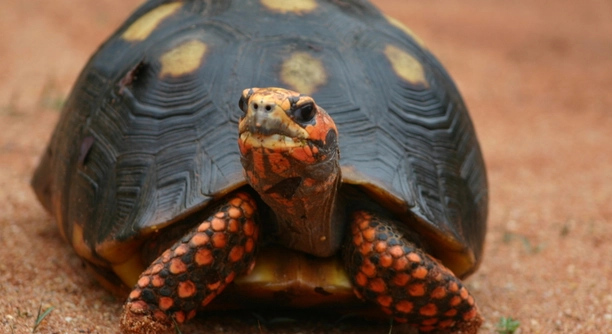
Red-footed tortoises are fascinating creatures with unique behaviors, especially when it comes to breeding. As a pet owner, it’s important to recognize the signs that your tortoise is ready to lay eggs. This guide will help.
Red-footed tortoises exhibit specific behaviors and physical changes when they are ready to lay eggs. These signs include increased digging, restlessness, and changes in appetite. Observing these indicators can help you prepare for the egg-laying process.
Understanding these signs will help you create a suitable environment for your tortoise during this important time. Keep reading to learn how to ensure her safety and comfort.
Increased Digging Behavior
When your red-footed tortoise begins to dig more than usual, it’s one of the first signs that she may be ready to lay eggs. Tortoises typically dig to create a nesting area for their eggs. She may start digging in different spots, sometimes repeatedly, as she seeks the ideal location. This behavior usually increases as egg-laying time approaches, and she may show a preference for certain areas of her enclosure. It’s important to provide her with a suitable substrate, such as moist soil or sand, that will allow her to dig easily and safely. A lack of a proper area for nesting could lead to stress for your tortoise.
Creating a proper nesting area is key. Ensure there’s enough space and the right material for her to dig and lay eggs without any difficulty.
By observing her behavior and giving her the necessary space, you can help her feel more comfortable when it’s time to lay. If she can’t find a place to nest, it could impact her health and overall well-being.
Restlessness and Unusual Behavior
Another key sign that your red-footed tortoise is ready to lay eggs is restlessness. She might start pacing more or constantly moving around her enclosure.
This behavior is usually connected to her natural instincts to find a suitable location to lay her eggs. Your tortoise may even seem agitated, especially if she hasn’t yet found a place to dig. It’s essential to monitor her actions closely and ensure her environment is stress-free. Avoid disturbing her as she seeks a nesting spot. Being in a calm, quiet place will help her feel more secure.
Being proactive and setting up the right conditions for her to lay eggs will reduce stress. A proper nesting site will allow her to perform this natural process more comfortably. Don’t forget that providing a secluded, safe area is one of the best ways to support your tortoise during this time.
Changes in Appetite
A noticeable change in your tortoise’s appetite can indicate that she’s getting ready to lay eggs. Some tortoises eat less during this time, while others might show increased hunger as they prepare. If she seems less interested in food, it’s a natural sign that the nesting process is near.
When red-footed tortoises are preparing to lay eggs, their focus shifts more toward finding a nesting site than eating. Some may also seem picky, only eating certain foods. Keeping her diet varied and nutritious will help her maintain energy during this period, even if her appetite fluctuates.
It’s important to note that a decrease in appetite isn’t always cause for concern. As long as she’s not showing signs of illness or stress, the reduced intake is likely just a part of her natural egg-laying behavior. Ensure she has access to fresh food and clean water to stay healthy.
Increased Activity Levels
Red-footed tortoises become more active when they are ready to lay eggs. They might move around their enclosure more frequently and seem determined to explore different areas.
This behavior is typical as they search for the right place to dig. Providing plenty of space for them to move around will make it easier for her to find a suitable nesting site. It’s also important to give her access to different textures and surfaces to mimic the natural environment.
As she becomes more active, she may also exhibit a heightened sense of curiosity. She may check out corners, walls, or even climb obstacles in an attempt to find the right spot. This behavior is driven by her instincts to prepare for egg-laying. Keep the environment comfortable and accessible for her needs.
Changes in Behavior Towards Other Tortoises
If you have multiple tortoises, you may notice changes in how your red-footed tortoise interacts with the others. She might become more territorial or less social during this time.
This behavior is driven by her instincts to protect her space and focus on finding a nesting site. If she seems more aggressive or withdrawn, it’s simply her way of managing the added stress of preparing for egg-laying. Allow her to have a quiet space away from other tortoises if necessary.
Nesting Site Preference
Red-footed tortoises will begin showing a preference for certain areas in their enclosure as they prepare to lay eggs.
She may start to dig or scratch at a specific spot, indicating she’s chosen where to lay. Providing her with a soft, moist substrate like soil or sand will make the process smoother. It’s important to ensure that the chosen area is safe, secure, and undisturbed.
Physical Changes
Look for physical changes in your red-footed tortoise as well. You might notice that her abdomen becomes rounder and her body posture may shift.
These physical changes are signs that eggs are developing inside her. While not always dramatic, they show that she’s approaching the time to lay. During this period, it’s crucial to provide her with the right conditions to ensure her comfort and safety.
FAQ
How long does it take for a red-footed tortoise to lay eggs?
Once your red-footed tortoise has chosen a suitable nesting site, it typically takes about 1 to 3 days for her to lay her eggs. However, this can vary depending on the tortoise’s age, health, and the environment. Some tortoises may take longer to dig and prepare, while others may lay eggs more quickly. Make sure to provide her with enough time and space to complete the process without disturbances. After laying, she will usually cover the eggs with soil or substrate to protect them.
Should I be concerned if my red-footed tortoise hasn’t laid eggs after showing signs?
If your red-footed tortoise has shown signs of readiness but hasn’t laid eggs yet, it’s not necessarily a cause for concern. Tortoises may go through a period of preparation before laying, which can take some time. However, if more than a few weeks pass without any egg-laying behavior, it’s worth consulting with a veterinarian. There may be underlying health issues, like stress, improper environmental conditions, or even egg retention, that could affect her ability to lay.
Can I assist my red-footed tortoise in laying eggs?
Generally, it’s best to allow your red-footed tortoise to lay her eggs on her own. She has instincts that guide her through the process. Interfering could cause unnecessary stress or harm. However, if you notice that she seems to be struggling to lay or if she’s showing signs of egg retention, it’s crucial to contact a reptile vet for advice. A veterinarian might suggest ways to help her without causing harm, such as offering a proper nesting environment or in some cases, assisting in egg removal.
What is the best environment for a red-footed tortoise to lay eggs?
The ideal environment for egg-laying is a quiet, secure space where your red-footed tortoise can dig freely. The substrate should be soft, moist soil or sand to mimic natural conditions. Ensure that the area is not too wet or too dry, as the tortoise will need to feel comfortable. It’s also important to provide her with privacy and peace, as disturbance during this process can cause stress. A temperature of around 80-85°F (27-29°C) is recommended for optimal egg development.
How often do red-footed tortoises lay eggs?
Red-footed tortoises typically lay eggs once or twice a year, although this can vary depending on factors such as age, health, and environmental conditions. Some females may lay eggs every breeding season, while others may skip a year. The number of eggs in each clutch can vary, typically ranging from 1 to 5 eggs. After laying, the tortoise may not immediately lay eggs again until the next breeding season. It’s important to monitor her health and behavior throughout this time.
How can I tell if my red-footed tortoise is retaining eggs?
Egg retention occurs when a tortoise is unable to lay her eggs naturally. Signs of egg retention include restlessness, lethargy, loss of appetite, and a swollen abdomen. If your red-footed tortoise is showing these symptoms, it’s essential to contact a veterinarian right away. A retained egg can lead to serious health issues, including infection or egg binding, which can be life-threatening if not addressed promptly. In some cases, a vet may need to intervene to help her pass the eggs safely.
What should I do if my red-footed tortoise doesn’t eat after laying eggs?
After laying eggs, it’s common for a red-footed tortoise to show a temporary loss of appetite. This is due to the energy spent on laying and the physical process of egg-laying itself. However, if her lack of appetite lasts more than a few days or if she shows other signs of distress, it may indicate an underlying issue, such as dehydration or a health problem. Make sure she has access to fresh water and is not being disturbed. If the behavior persists, consult a reptile vet.
Can a red-footed tortoise lay infertile eggs?
Yes, red-footed tortoises can lay infertile eggs, especially if there has been no male tortoise present for mating. Infertile eggs will look very similar to fertilized ones, though they will not hatch. It’s a normal part of their reproductive cycle, and there is no need to be concerned if your female tortoise lays eggs without a mate. These eggs should be left in the nesting area to ensure that she does not feel stressed or disturbed.
How should I care for the eggs after my tortoise lays them?
Once your red-footed tortoise has laid her eggs, you should carefully leave them undisturbed in the nesting area for the best chance of successful hatching. If you plan to incubate the eggs, it’s important to handle them gently and avoid rotating or turning them. Use a reptile egg incubator with controlled humidity and temperature, keeping the temperature at 85-88°F (29-31°C). Monitor the humidity closely, aiming for about 70-80%. If you are unsure how to incubate the eggs properly, consult with a reptile expert or vet.
How long does it take for red-footed tortoise eggs to hatch?
Red-footed tortoise eggs typically take around 3 to 4 months to hatch, depending on environmental conditions such as temperature and humidity. Higher temperatures can speed up the incubation process, while cooler temperatures may slow it down. It’s important to keep the eggs in a stable environment during this period. Avoid disturbing them, as any sudden changes could harm the developing embryos inside the eggs. If you’re incubating the eggs, regular checks will ensure that they are not too dry or too wet.
Final Thoughts
Caring for a red-footed tortoise through the egg-laying process can be both exciting and challenging. Understanding the signs that your tortoise is ready to lay eggs is crucial for creating a safe and comfortable environment for her. From increased digging to changes in behavior and appetite, each indicator plays a role in helping you prepare for the next steps. It’s important to stay observant and make adjustments as needed to ensure your tortoise’s well-being during this time. While the process may seem overwhelming, with proper care and attention, it can be a smooth experience for both you and your tortoise.
Providing a suitable nesting area is one of the most important aspects of helping your tortoise lay her eggs. A quiet, secure place with the right substrate, such as soft, moist soil or sand, is essential for her to feel comfortable and protected. Avoid disturbing her while she digs and prepares her nest, as stress can lead to complications. Ensure that the temperature and humidity levels are appropriate for egg development and the overall health of your tortoise. These simple steps go a long way in supporting her during this natural process.
If you notice any unusual behavior or signs of stress, it’s important to consult a veterinarian to rule out any health issues. Egg retention, for example, is a serious condition that requires immediate attention. While many red-footed tortoises will naturally lay eggs without issue, some may need assistance from a professional. By keeping an eye on her behavior and providing a proper environment, you can help your tortoise navigate this stage of her life with fewer concerns. With patience and care, you’ll both be able to enjoy a smooth, healthy egg-laying process.

Hello,
If you enjoy the content that we create, please consider saying a "Thank You!" by leaving a tip.
Every little bit helps us continue crafting quality advice that supports the health, happiness, and well-being of pets around the world, for pets of all shapes, sizes, and species.
We really appreciate the kindness and support that you show us!