
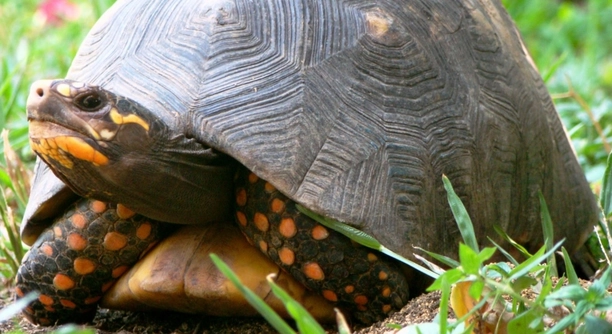
As a pet owner of a red-footed tortoise, you might notice certain changes in their behavior as the seasons shift. It’s important to understand these signs so you can take proper care of them when they are ready for hibernation.
Red-footed tortoises usually begin to hibernate when they feel the temperature drop and daylight decreases. They may exhibit behaviors such as reduced activity, eating less, and seeking shelter. These are clear signals that they are preparing to rest for the winter.
Knowing when your tortoise is ready for hibernation can help prevent stress and health issues. Keep an eye out for signs of reduced activity, and adjust their environment accordingly.
Reduced Activity Levels
As your red-footed tortoise prepares for hibernation, you will notice a significant drop in its activity. Tortoises typically become less interested in moving around or exploring their environment. This behavior is completely normal and a natural response to cooler weather. They tend to sleep longer and may spend more time tucked away in their hide. If your tortoise usually enjoys roaming outside or interacting, you may see it staying still for extended periods. This drop in activity can last for weeks leading up to hibernation.
It’s important not to force your tortoise to move or remain active during this time. Allowing it to rest and relax ensures that it can enter hibernation in a healthy state.
Make sure to provide a warm, quiet, and safe space for your tortoise. Reducing unnecessary noise and stress can help them feel more comfortable and secure. It’s best to avoid handling your tortoise too much during this time unless necessary.
Decreased Appetite
One of the key signs your tortoise is ready to hibernate is a noticeable decrease in appetite. Red-footed tortoises will eat much less or refuse food entirely as they prepare for winter. Their metabolism slows down, so they need less food. This behavior often occurs gradually, and it is not a cause for concern. If you notice your tortoise eating significantly less than usual, this is a sign that it is starting to conserve energy.
At this point, you should stop offering large meals or too many high-protein foods. Instead, provide fresh water and offer smaller portions. This decrease in appetite will continue as hibernation approaches. However, always ensure that they have access to clean, fresh water to stay hydrated.
If your tortoise suddenly refuses food or reduces its intake, it’s likely that it is adjusting to the cold weather and preparing for hibernation. Keep an eye on them, but don’t worry unless they show signs of illness.
Seeking Shelter
As hibernation time nears, red-footed tortoises will instinctively search for shelter. They might bury themselves in bedding or seek out dark, quiet spaces where they can feel safe and secure. This behavior indicates that they are preparing for a long rest. Tortoises naturally look for environments with stable temperatures, away from the cold and heat extremes of the outside world. It’s important to provide a suitable hiding space in their enclosure to ensure they feel safe.
If your tortoise spends more time hiding than usual, consider it a sign that hibernation is close. Make sure that their environment is warm and comfortable enough for them to enter this resting state. If your tortoise is kept outside, they may dig down into the soil or seek cover under logs or other objects.
You might also see your tortoise burrow into its bedding, which is a way to protect itself from lower temperatures. Ensure that their hibernation space is dry and safe from any potential disturbances. Be mindful of keeping their space undisturbed to promote a smooth transition into hibernation.
Lower Body Temperature
A noticeable sign that your red-footed tortoise is ready for hibernation is a decrease in body temperature. Tortoises naturally adjust to the cooler environment and their body temperature drops. This is a normal response as they prepare for a period of dormancy. You may feel that their body is cooler than usual to the touch, especially in the mornings or evenings. It’s essential to monitor the temperature in their habitat to make sure it doesn’t drop too low, as extreme cold can harm them. Keep the temperature stable and consistent, ensuring they have access to warmth during the transition.
If your tortoise is exposed to cooler temperatures, their metabolism slows down, and they require less food and water. This reduced body temperature is their way of conserving energy as they prepare to rest. However, be cautious of sudden temperature drops in their environment. Too much of a temperature change could cause stress, so it’s best to maintain a steady, cooler temperature instead of fluctuating extremes. Avoid placing them in areas that are too cold to prevent health risks.
In their natural habitat, red-footed tortoises go through a period of dormancy that helps them survive the colder months. Their body temperature decreases gradually as the weather cools. If you observe your tortoise becoming inactive or colder than usual, it’s likely a sign they are heading into hibernation. This is a natural and healthy part of their lifecycle, but it’s crucial to offer them the right conditions to stay comfortable.
Slow or Irregular Breathing
Another indication your red-footed tortoise may be ready to hibernate is a change in breathing patterns. You may notice their breathing becoming slower or more shallow as they enter a resting state. This change is tied to their metabolic slowdown, which occurs as they prepare for hibernation. Tortoises breathe less frequently during colder months since they need less oxygen while their metabolism is at rest.
It’s important to monitor their breathing, but don’t panic if it seems a bit slower than usual. This is a natural response to cooler temperatures and reduced activity levels. Slow or irregular breathing can be common among tortoises entering hibernation. As long as your tortoise is still active when awake and not showing signs of respiratory distress, the change in breathing is usually temporary.
However, if the breathing becomes labored or shows signs of illness, it’s best to consult with a vet. A sudden or severe respiratory problem can be dangerous, so it’s always better to be cautious. Keep a close eye on their health, and ensure they have an environment that supports their natural hibernation process without causing additional stress.
Changes in Behavior
As your tortoise prepares for hibernation, you may notice changes in behavior. It might become less interested in its surroundings or more solitary. These changes are a natural part of its hibernation process. Reduced interaction and curiosity are typical as your tortoise focuses on resting.
Tortoises typically begin to retreat into their shell more frequently, avoiding social interactions or activity. They may not engage with food, water, or their usual routine. This behavior is linked to their instinct to rest and prepare for colder months. Keep observing them, but don’t try to force them out of this phase.
Increased Sleeping Hours
As hibernation approaches, your red-footed tortoise will sleep more. Extended sleep is another indicator they’re preparing for a long period of rest. They will spend longer stretches of time tucked away in their hide. Sleeping more helps them conserve energy before entering full hibernation.
This increase in sleeping hours is entirely normal and should not raise concern. Tortoises typically rest for longer periods during colder months. If you notice they sleep for much longer than usual, it’s a good idea to provide a cozy and quiet space for them to feel secure.
FAQ
How do I know if my tortoise is ready to hibernate?
You can tell if your red-footed tortoise is ready to hibernate by observing its activity level, appetite, and behavior. If your tortoise becomes less active, starts eating less, or hides more frequently, it’s likely preparing for hibernation. Reduced activity and a decrease in appetite are the main signs to look out for. It’s also common for tortoises to seek out a quiet, warm area to settle in as they prepare to rest. Always ensure their environment is suitable for hibernation to support them during this natural process.
Should I stop feeding my tortoise before hibernation?
Yes, it’s best to reduce or stop feeding your tortoise as it prepares for hibernation. As their metabolism slows down, they won’t require as much food. Gradually decreasing the amount of food you offer helps them adjust. However, always provide fresh water, so they stay hydrated during this time. Stopping food intake also prevents any undigested food from remaining in their stomach, which could lead to health issues during hibernation. If they completely stop eating, this is a sign they are ready to rest.
Can I wake up my tortoise during hibernation?
It’s generally not a good idea to wake up your tortoise during hibernation. Disturbing them can cause unnecessary stress and disrupt their natural hibernation cycle. Tortoises naturally enter a state of dormancy to conserve energy and survive the cold months. Waking them up could harm their health and interfere with their rest. If you have concerns or notice unusual signs during hibernation, it’s best to consult a veterinarian rather than disturb them.
How long will my tortoise stay in hibernation?
The duration of hibernation varies depending on the tortoise and environmental factors. For red-footed tortoises, it typically lasts from a few weeks to a few months. The length of hibernation depends on the temperature, the tortoise’s age, and its health. Younger or older tortoises may hibernate for shorter periods, while adults may enter a deeper sleep for a longer duration. It’s important to monitor their environment and ensure the temperature remains stable for a successful hibernation.
What temperature should I keep my tortoise’s hibernation area?
The ideal temperature for a red-footed tortoise’s hibernation space is between 50°F and 60°F (10°C to 16°C). It’s important to avoid temperatures below 40°F (4°C) as it can be dangerous for their health. Make sure the environment is not too warm either, as this can interrupt their hibernation. The area should be cool and dark to encourage rest. A controlled temperature will allow your tortoise to gradually slow down its metabolism and enter hibernation in a safe and healthy way.
Can I hibernate my tortoise outside?
You can hibernate your red-footed tortoise outside, but only if you live in a mild climate that doesn’t experience extreme cold. Outdoor hibernation requires specific conditions to be safe. The hibernation area must be insulated, dry, and sheltered from the elements. If temperatures drop too low, your tortoise could be at risk of hypothermia. For most pet owners, it’s safer to hibernate tortoises indoors, where temperature and humidity can be better controlled. Always monitor the environment to ensure it’s safe.
What should I do if my tortoise doesn’t seem ready to hibernate?
If your red-footed tortoise isn’t showing clear signs of readiness for hibernation, it may not need to rest yet. Some tortoises may not hibernate every year, especially in warmer climates. If your tortoise seems active and healthy, it’s perfectly fine to let it remain active. However, you should still reduce the temperature in their habitat to encourage the natural hibernation cycle. If you’re concerned about your tortoise’s health or behavior, it’s always best to consult with a vet for advice.
Can I let my tortoise hibernate in its regular enclosure?
You can let your tortoise hibernate in its regular enclosure, as long as you adjust the environment to suit the hibernation process. The temperature should be lowered gradually, and you should provide a sheltered area within the enclosure where your tortoise can rest undisturbed. You might need to add extra bedding, such as dry leaves or straw, to provide a comfortable space for them to burrow. Make sure the area is quiet, dark, and away from any disturbances, as this helps your tortoise feel secure.
Should I keep my tortoise hydrated during hibernation?
Yes, you should ensure your tortoise has access to fresh water during hibernation. Even though their metabolism slows down, they still need to stay hydrated. However, their water intake may decrease as they rest. Check the water regularly to ensure it’s clean and accessible. Dehydration can lead to health problems, so it’s important to maintain proper hydration levels. If your tortoise isn’t drinking during hibernation, this is normal, but make sure they have water available in case they need it.
What happens if my tortoise doesn’t hibernate properly?
If your red-footed tortoise doesn’t hibernate properly, it can cause serious health issues. Improper hibernation, such as being kept in too warm or too cold an environment, can lead to dehydration, malnutrition, or respiratory problems. If you notice signs like labored breathing, weakness, or unusual behavior during hibernation, consult a vet. It’s important to prepare them properly by ensuring their environment is suitable. Incomplete or interrupted hibernation can lead to stress, making it harder for your tortoise to recover.
Final Thoughts
Preparing your red-footed tortoise for hibernation is an important part of ensuring its well-being during the colder months. By recognizing the signs that indicate it’s ready to rest, you can help create a safe and comfortable environment for the tortoise to go into dormancy. It’s essential to provide a space that is warm enough for the transition and maintain a stable temperature throughout the hibernation period. Understanding your tortoise’s behavior and physical changes, such as reduced activity, appetite, and temperature, will give you a clear idea of when it’s time for hibernation. By doing so, you’ll help avoid unnecessary stress and health issues for your tortoise.
Remember, the hibernation process is a natural part of your tortoise’s life cycle. It is a time when they conserve energy, rest, and survive through cooler months. Though it may seem strange to let your tortoise sleep for extended periods, it’s important to respect this behavior. Hibernation is not harmful when done correctly, and it helps to ensure your tortoise’s overall health and longevity. However, it’s critical to create the right environment for your tortoise. A stable temperature, minimal disturbance, and a secure resting place are key to helping your tortoise successfully enter and stay in hibernation.
While hibernation can be a peaceful time for both you and your tortoise, it’s important to stay vigilant. Ensure that your tortoise remains healthy and hydrated throughout the process. Check on them periodically to make sure their environment is optimal for rest. If you notice any signs of distress or illness during hibernation, it’s crucial to seek professional help from a vet. Following these guidelines will help keep your tortoise healthy and comfortable throughout its hibernation period, so you can rest assured that it will wake up strong and ready for the warmer months.

Hello,
If you enjoy the content that we create, please consider saying a "Thank You!" by leaving a tip.
Every little bit helps us continue crafting quality advice that supports the health, happiness, and well-being of pets around the world, for pets of all shapes, sizes, and species.
We really appreciate the kindness and support that you show us!