
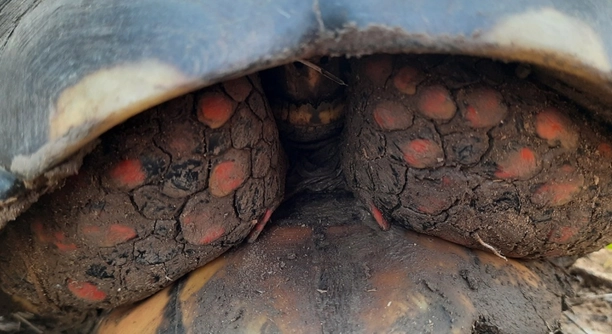
Are you noticing changes in your red-footed tortoise’s behavior or health?
Too much sunlight can lead to serious health issues for your red-footed tortoise. Prolonged exposure to direct sunlight can cause dehydration, burns, and even heat stress, affecting their overall well-being.
Understanding these signs is essential for protecting your tortoise’s health and ensuring its environment is safe.
Sunburn and Skin Damage
If your red-footed tortoise has been exposed to too much sunlight, sunburn is one of the first signs you’ll notice. The skin may turn red or appear darker, and in some cases, blisters could form. This condition can be painful and lead to long-term damage if left untreated. Sunburn is especially common in tortoises who spend too much time outside during the hottest parts of the day. Overexposure can damage the skin’s protective layer, making your tortoise more vulnerable to infections and other health problems. If your tortoise shows signs of sunburn, it’s important to move them to a cooler, shaded area immediately. Applying aloe vera or a similar soothing gel may help ease the discomfort, but a vet’s advice is essential for treating more severe cases. In addition to sunburn, overheating can lead to heat stress, which may further damage your tortoise’s health.
Providing proper shelter, access to shade, and fresh water can prevent sunburn and overheating. These measures will help create a balanced environment for your tortoise to enjoy.
Dehydration from Excessive Heat
Another sign of too much sunlight is dehydration. The intense heat can quickly dry out your red-footed tortoise’s body, leading to dehydration. Symptoms include dry, wrinkled skin, sunken eyes, and a lack of energy. It’s crucial to monitor your tortoise’s hydration levels.
When a tortoise gets too much sun, the risk of dehydration increases. This is especially true for younger tortoises or those that are already stressed. Red-footed tortoises need access to fresh, clean water at all times to help them stay hydrated. Additionally, make sure your tortoise has a humid environment to help regulate moisture levels. When exposed to the sun for too long, your tortoise’s body struggles to retain the moisture it needs. Always keep an eye on their water consumption and provide shade to help them cool off and stay hydrated.
Heat Stress and Lethargy
Too much sunlight can cause heat stress in your red-footed tortoise. If they are unable to escape the heat, they may become sluggish or even unresponsive. Overheating can cause a rapid drop in activity and appetite. These symptoms are a direct result of excessive sun exposure, which can disrupt their normal body temperature regulation.
Heat stress can affect your tortoise’s heart rate and metabolism. If the temperature becomes too high, your tortoise may seek shelter or attempt to bury itself to cool down. However, if they cannot find a proper cool space, the stress will only worsen. To avoid this, make sure there are shaded areas and cool spaces available at all times. Providing access to cool water can also help lower their body temperature. If your tortoise shows signs of heat stress, it’s essential to move them to a cooler area immediately and monitor their recovery.
Excessive Dryness and Cracked Shell
Prolonged exposure to the sun can also dry out your red-footed tortoise’s shell. When exposed to excessive sunlight, the shell can lose moisture, leading to cracking and dryness. A dry shell is more vulnerable to infections and can affect the overall health of your tortoise. The dryness can also make it harder for your tortoise to absorb nutrients from their environment.
If you notice that the shell is becoming flaky or cracked, it could be a sign that the tortoise has been exposed to too much sunlight without adequate humidity or moisture. It’s important to maintain the right balance of humidity to prevent these issues. Using a humid hide or adding water to the enclosure can help regulate the moisture levels around your tortoise. Always make sure your tortoise has access to areas where it can hydrate and cool down from the sun’s intense rays. This will support the overall health and shell integrity of your tortoise.
Loss of Appetite
Excessive sunlight can lead to a loss of appetite in your red-footed tortoise. If they are too hot or dehydrated, they may stop eating altogether. Lack of food can weaken their immune system and hinder their ability to stay healthy.
Heat stress can make tortoises too uncomfortable to eat. If your tortoise is refusing food or showing less interest in meals, it may be a sign they’ve been exposed to too much sun. It’s important to observe if they are drinking water or staying hydrated. Lack of food combined with dehydration can quickly lead to more serious health issues.
Disrupted Sleep Patterns
Too much sunlight can also disturb your tortoise’s natural sleep patterns. When exposed to bright light for long periods, they may have trouble resting or sleeping properly. Proper sleep is crucial for their overall well-being.
If your tortoise’s sleeping habits change and they appear restless or overly active during the night, sunlight might be the cause. Tortoises need a proper day-night cycle to feel secure and rested. Ensure your tortoise’s habitat offers adequate darkness at night and is shielded from bright light to promote a healthy sleep environment.
FAQ
How much sunlight does a red-footed tortoise need?
Red-footed tortoises require a balanced amount of sunlight to stay healthy. Direct sunlight is important for their vitamin D3 production, but too much exposure can lead to overheating or sunburn. Aim for 4-6 hours of sunlight daily, but make sure they also have access to shaded areas to avoid overexposure. Too much direct sunlight, especially during the hottest parts of the day, can cause harm. Providing a controlled outdoor space where they can enjoy the sun but retreat to a cooler area is ideal.
Can a red-footed tortoise live outside in the sun all day?
It’s not advisable to leave your red-footed tortoise in the sun all day. While they enjoy some time outdoors, constant exposure can lead to dehydration, overheating, or sunburn. It’s essential that they have a shaded area to retreat to throughout the day. When outside, it’s best to provide a safe, controlled environment where they can regulate their body temperature. Keeping their enclosure in a location where they can move between sunlight and shade is key to their well-being.
What temperature should the habitat of a red-footed tortoise be?
Red-footed tortoises thrive in temperatures between 75-85°F (24-29°C) during the day. It’s crucial to provide a warm basking spot of around 90°F (32°C), but not to exceed this temperature for long periods. At night, the temperature should drop to around 70°F (21°C). Ensure that their enclosure has both a warm and a cool area, so they can regulate their body temperature. Too much heat from the sun can be harmful if they can’t find a cooler area to retreat to.
How can I tell if my tortoise is overheated?
Overheating signs in red-footed tortoises include lethargy, excessive breathing, or a refusal to eat. If they are too hot, they may also seek shelter or bury themselves in the substrate. Check if their skin feels warm to the touch or if they are showing signs of dehydration. If your tortoise starts acting uncomfortably, it’s crucial to move them to a cooler area immediately. Hydrating them and providing shade can help them recover from heat stress.
Can I use artificial lights for my red-footed tortoise?
Yes, you can use artificial UVB lights to help your red-footed tortoise meet its vitamin D3 needs, especially if they are indoors or in an area with limited natural sunlight. Use a UVB light that mimics natural sunlight, as this will help them process calcium effectively and maintain healthy bones. It’s essential to provide a basking spot with a heat source and UVB light to ensure they get the benefits of sunlight when indoors. Be sure to replace the bulbs regularly, as they lose effectiveness over time.
How do I prevent my red-footed tortoise from getting sunburned?
To prevent sunburn, limit the amount of time your tortoise spends in direct sunlight. Ensure that they have access to shaded areas where they can retreat if it gets too hot. Avoid exposing them to the sun during the hottest part of the day (usually between 11 a.m. and 3 p.m.). Use a shaded outdoor enclosure or a UVB bulb that allows them to bask without getting too much direct sun. Always monitor your tortoise while they’re outside to ensure they stay comfortable and safe.
Can too much sun cause health problems in my red-footed tortoise?
Yes, too much sun can lead to dehydration, heat stress, sunburn, and shell damage. Prolonged exposure to intense sunlight without adequate hydration or shelter can result in serious health problems. It’s important to strike a balance between providing them with the sun they need for vitamin D3 production and ensuring they have access to cooler, shaded areas. If you notice any signs of distress, like lethargy or skin damage, move your tortoise to a cooler environment immediately.
What are the signs that my tortoise is getting too much sunlight?
Signs of too much sunlight include sunburn, dehydration, lethargy, and a loss of appetite. Their skin may become red or blistered, and they may be less active than usual. If your tortoise shows any of these symptoms, it’s important to move them to a cooler area, offer water, and monitor their recovery. Prolonged exposure to too much sunlight can cause lasting damage, so make sure your tortoise has a well-balanced environment with access to shade and water.
How can I keep my red-footed tortoise hydrated in the sun?
To keep your tortoise hydrated while they are in the sun, make sure fresh water is always available. You can also mist them with water occasionally to help maintain moisture levels in their skin. If they are outdoors, ensure that their enclosure has shaded areas where they can cool down and drink water regularly. Providing a shallow water dish can also encourage them to drink more frequently. Be sure to monitor them for any signs of dehydration, such as dry skin or sunken eyes.
Should I let my red-footed tortoise bask in the sun?
Yes, red-footed tortoises enjoy basking in the sun, as it helps them regulate their body temperature and produce vitamin D3. However, they should not be exposed to direct sunlight for extended periods. Basking sessions should last no longer than 1-2 hours, and they should always have access to shade and fresh water. If you’re unsure about how much sun exposure is safe, monitor their behavior closely and adjust the amount of time they spend in the sun accordingly.
Final Thoughts
Taking care of a red-footed tortoise involves understanding their specific needs when it comes to sunlight and temperature. While they do need exposure to sunlight for proper health, too much sun can be harmful. It’s important to find the right balance to ensure they stay healthy and comfortable. Providing an environment that includes shaded areas and access to water is essential for keeping your tortoise safe from sunburn, dehydration, and heat stress. By paying attention to how they react to sunlight, you can avoid potential health problems.
Being aware of the signs of overexposure to sunlight can help you take action quickly. If your tortoise is showing signs of sunburn, lethargy, or dehydration, it’s important to move them to a cooler area right away. In addition, providing them with proper humidity levels and a suitable place to rest will help them stay hydrated and calm. When setting up an outdoor space, always ensure that your tortoise has a way to escape the direct sun, especially during the hottest parts of the day. Keeping a close eye on their behavior will give you insight into how much sunlight they are getting and if adjustments are needed.
Overall, the key to a healthy and happy red-footed tortoise is moderation. They thrive in environments where they have the option to soak up some sun but also retreat to cooler, shaded spaces. A balanced approach to sunlight exposure will keep your tortoise strong and active, allowing them to live a long and healthy life. Regularly checking their hydration levels, skin condition, and activity can help you spot any issues early and prevent harm from too much sunlight. By creating a controlled and safe environment, your tortoise can enjoy its outdoor time while staying protected from potential health risks.

Hello,
If you enjoy the content that we create, please consider saying a "Thank You!" by leaving a tip.
Every little bit helps us continue crafting quality advice that supports the health, happiness, and well-being of pets around the world, for pets of all shapes, sizes, and species.
We really appreciate the kindness and support that you show us!