
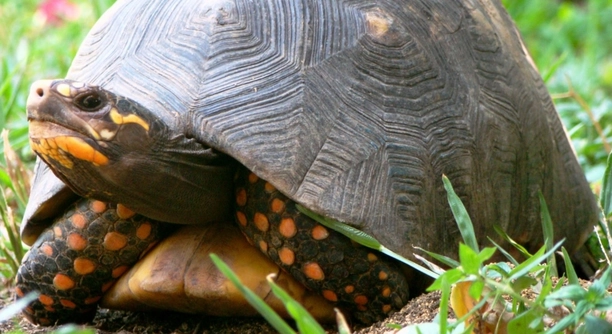
Dehydration is a common issue for red-footed tortoises, and it can have serious health consequences. Knowing the signs of dehydration can help ensure your tortoise stays happy and healthy. Identifying this problem early is key to preventing harm.
Red-footed tortoises show clear signs when they are dehydrated. Symptoms include lethargy, sunken eyes, dry skin, and reduced appetite. Monitoring these signs can help you address the issue promptly, preventing further health complications.
Recognizing dehydration early and providing proper hydration can make a big difference in your tortoise’s health. Keep reading to learn how to spot the signs and help your pet thrive.
Lethargy and Decreased Activity
One of the first signs of dehydration in a red-footed tortoise is lethargy. When a tortoise is not getting enough water, its energy levels drop. You may notice your tortoise becoming less active or spending more time in one spot. Normally, these tortoises are curious and active, moving around their environment to forage and explore. If your tortoise seems unusually tired, reluctant to move, or is sleeping more than usual, dehydration could be the cause.
If your tortoise seems sluggish, it’s important to check for other signs of dehydration. Make sure to assess their environment for temperature and humidity levels as well, as these can also impact energy levels.
In some cases, dehydration can cause muscle weakness, making it difficult for the tortoise to move around. If left untreated, this can lead to more severe health problems. Ensuring your tortoise has constant access to fresh water and a proper habitat is essential for keeping them healthy and active. Proper hydration is necessary for maintaining their energy, mobility, and overall well-being.
Sunken Eyes
Another noticeable sign of dehydration is sunken eyes. When a red-footed tortoise is dehydrated, its skin loses moisture, and this includes the delicate areas around its eyes. You may notice that the eyes appear to sink back into the head or look more hollow than usual. This is often an indication that your tortoise is not getting enough water to maintain its body functions.
Sunken eyes can also signal other health issues, so it’s essential to monitor your tortoise closely for any other signs of dehydration. If this symptom persists, it’s important to address hydration immediately.
You can help your tortoise by offering water and misting its environment to increase humidity. It’s also a good idea to ensure your tortoise has a water dish that is easy to access, as some may struggle to drink if the water is too deep or hard to reach.
Dry, Flaky Skin
Dehydrated red-footed tortoises often show dry, flaky skin. When their body lacks moisture, the skin becomes rough and peels. You might notice patches of shedding or dry areas, especially on the legs and shell. This is a direct result of insufficient hydration.
Dry skin in a tortoise can lead to further complications, like infection or irritation. If you observe this, make sure the humidity in their habitat is at the right level. Red-footed tortoises need a humid environment to maintain healthy skin. Providing water sources for soaking can also help prevent skin dryness and keep their hydration levels stable.
Keeping your tortoise hydrated is essential for preventing long-term damage to its skin. Additionally, a proper soak in warm water once in a while can support hydration and improve skin health. If skin dryness continues, consider adjusting the humidity or consulting a vet.
Reduced Appetite
When a red-footed tortoise becomes dehydrated, it may stop eating or show a reduced appetite. This can be frustrating, as tortoises are usually eager to eat. Dehydration affects their digestion and energy levels, which makes eating less appealing. You may notice your tortoise ignoring food or eating much less than usual.
The lack of appetite can also affect their overall health, leading to weight loss. Offering fresh, water-rich vegetables or fruits may entice your tortoise to eat and rehydrate. Another helpful method is soaking them in shallow, warm water for a short time, which may encourage them to drink and eat.
If dehydration is the cause, a steady intake of water and food can help your tortoise recover. If the appetite remains low despite hydration, further veterinary consultation might be needed to rule out any other health problems.
Soft, Wrinkled Shell
A dehydrated red-footed tortoise may have a soft, wrinkled shell. When they don’t get enough water, the shell loses its firmness and becomes more pliable. You can notice small wrinkles or indentations around the edges of the shell.
This is a sign that your tortoise’s body is not maintaining its hydration balance. The shell, which is made of bone and keratin, relies on hydration to stay strong. A soft, wrinkled shell may indicate that the tortoise is not absorbing enough moisture.
Hydration can help restore the firmness of the shell. Ensure your tortoise has access to water and soak it occasionally to help improve hydration levels. If this issue persists, consult a vet for further advice.
Dehydrated Urine
Dehydrated red-footed tortoises may produce thick, pasty, or less frequent urine. Normally, a healthy tortoise will pass liquid urine. If it is dehydrated, the urine will appear more concentrated or even turn a darker color, signaling the body’s struggle to retain water.
A lack of hydration affects kidney function, leading to changes in urine output. Providing proper water sources and increasing humidity can help your tortoise stay hydrated.
If you notice changes in your tortoise’s urine consistently, it’s important to address dehydration immediately. A vet visit is recommended if the issue continues despite efforts to increase hydration.
Poor Mobility
Dehydration can also affect a tortoise’s ability to move properly. When a red-footed tortoise is dehydrated, its muscles become weak, and movement becomes difficult. You might notice that your tortoise struggles to walk or appears uncoordinated.
This lack of mobility is caused by the body’s inability to maintain muscle function when there is insufficient water. Dehydration can cause muscle cramping, making it harder for your tortoise to move freely.
To help with this, ensure that your tortoise has access to water and proper humidity. You can also provide a shallow soak to encourage fluid intake and muscle relaxation. If movement doesn’t improve, consult a vet for further guidance.
FAQ
How can I prevent my red-footed tortoise from becoming dehydrated?
To prevent dehydration, make sure your tortoise has constant access to clean water and a habitat with the right humidity. A shallow water dish for soaking can encourage drinking. Regularly misting the enclosure or adding humidity hides can also help maintain moisture levels. Additionally, provide water-rich foods like leafy greens and fruits to support hydration.
What is the best way to hydrate a dehydrated tortoise?
If your red-footed tortoise is dehydrated, the best way to rehydrate it is by providing fresh water in a shallow dish. You can also soak it in warm water for about 20-30 minutes. This will help it absorb moisture through the skin. Keep the environment humid and adjust the habitat to encourage hydration.
How often should I soak my red-footed tortoise?
Soaking your tortoise once or twice a week is typically enough, but this can vary depending on the humidity levels in the enclosure. If you notice signs of dehydration, more frequent soaking may be necessary. Always observe how your tortoise responds and adjust as needed.
Can a dehydrated red-footed tortoise recover without a vet?
In many cases, a dehydrated tortoise can recover with proper hydration and environmental adjustments. However, if the dehydration persists or worsens, or if there are additional symptoms like sunken eyes or loss of appetite, a visit to the vet is necessary. A vet can assess the tortoise’s health and provide specific treatments.
How do I know if my tortoise is getting enough water?
Your tortoise should have access to fresh water at all times. If it’s regularly drinking and eating well, it’s likely getting enough water. Keep an eye on its skin and shell for dryness or flakiness, which may indicate dehydration. Consistent soaking and misting can help ensure proper hydration.
Why is my red-footed tortoise not drinking water?
There could be a few reasons why your tortoise isn’t drinking. The water might not be clean, or the dish may be too deep. Additionally, if the enclosure is too dry or too cold, your tortoise might not feel the need to drink. Try changing the water daily, adjusting the habitat humidity, and offering food with high water content to encourage drinking.
What temperature and humidity are best for my red-footed tortoise?
Red-footed tortoises thrive in temperatures between 75-85°F (24-29°C) during the day and around 70°F (21°C) at night. Humidity should be kept around 60-80%. These levels help maintain proper hydration, prevent skin issues, and support overall health. Using a hygrometer and thermometer will help you monitor these conditions.
How long can a red-footed tortoise go without water?
While a tortoise can survive without water for some time, it can quickly become dehydrated and suffer health issues. Most red-footed tortoises can last about a week without water, but dehydration can set in much sooner. It’s important to provide water at all times to avoid dehydration and related health problems.
Can I give my tortoise fruits and vegetables to help with hydration?
Yes, fruits and vegetables with high water content, like cucumber, watermelon, and strawberries, can help keep your tortoise hydrated. These foods provide extra moisture while offering essential nutrients. However, these should be offered in moderation as part of a balanced diet to avoid other health issues.
How can I tell if my tortoise is severely dehydrated?
Severe dehydration in a red-footed tortoise is often accompanied by sunken eyes, a soft or wrinkled shell, and very dry skin. The tortoise may also become lethargic and refuse to eat. If your tortoise shows these signs, immediate action is needed. Soak the tortoise in warm water and consult a vet for proper treatment.
What should I do if my tortoise has a sunken shell?
A sunken shell is a serious sign of dehydration. First, soak your tortoise in warm water to help rehydrate it. Ensure its habitat is at the right humidity and temperature. If the sunken shell persists or worsens, consult a veterinarian, as this may require specialized care.
Is it normal for my red-footed tortoise to drink a lot of water?
It is normal for a red-footed tortoise to drink a fair amount of water, especially if it has been soaking or is in a particularly warm environment. However, excessive drinking could indicate an underlying issue, such as dehydration or a kidney problem. If you’re concerned, monitor its behavior and consult a vet if necessary.
Can I use a water bowl or do I need a larger soaking area?
A shallow water bowl is fine for drinking, but for soaking, you’ll need a larger container. Your tortoise should be able to submerge its body comfortably to hydrate properly. The soaking area should be large enough for your tortoise to stretch out and fully hydrate, but not so deep that it feels unsafe.
How does the weather affect my tortoise’s hydration needs?
Weather can greatly impact your tortoise’s hydration needs. In warmer temperatures, your tortoise will likely require more water and humidity to stay hydrated. During cooler months, you might need to adjust your tortoise’s habitat to ensure it remains hydrated. If the weather is dry, consider misting more frequently.
Is it okay to mist my tortoise every day?
Yes, daily misting is generally a good idea to help maintain the humidity levels in your tortoise’s enclosure. Misting helps keep the air moist, which aids in hydration. Just be sure not to overdo it and make the enclosure too damp, as excessive moisture can lead to other health problems like fungal infections.
Final Thoughts
Dehydration is a common issue that can affect red-footed tortoises, and it’s important to be aware of the signs so you can address it promptly. Lethargy, sunken eyes, dry skin, and a lack of appetite are all red flags that your tortoise may not be getting enough water. Keeping an eye on these signs and reacting quickly can prevent serious health problems. Dehydration can lead to long-term damage, so it’s crucial to monitor both the tortoise’s behavior and its environment regularly. By ensuring that your tortoise has access to fresh water, proper humidity, and a balanced diet, you can help keep it healthy and hydrated.
Maintaining the right habitat conditions is key to preventing dehydration in your red-footed tortoise. These animals thrive in a humid environment with temperatures ranging from 75-85°F (24-29°C). Humidity levels should be kept between 60-80%, as this range mimics the natural conditions of their native environment. Regularly checking the humidity and temperature in their enclosure can make a significant difference. If you notice that your tortoise is not drinking or moving around as much, check the conditions and adjust them if needed. Proper hydration is essential for a healthy tortoise, and creating the right environment is one of the best ways to ensure that.
If you notice signs of dehydration in your red-footed tortoise, there are steps you can take to help it recover. Providing fresh water in a shallow dish, soaking your tortoise in warm water, and offering water-rich foods are some ways to encourage hydration. However, if the dehydration symptoms are severe or persist, it’s essential to consult a veterinarian. A professional can assess the situation and provide the necessary treatment. Taking preventive measures, like maintaining proper humidity levels and ensuring access to water, can help avoid dehydration issues in the future. With attention to its environment and hydration needs, your tortoise can remain healthy and active.

Hello,
If you enjoy the content that we create, please consider saying a "Thank You!" by leaving a tip.
Every little bit helps us continue crafting quality advice that supports the health, happiness, and well-being of pets around the world, for pets of all shapes, sizes, and species.
We really appreciate the kindness and support that you show us!