
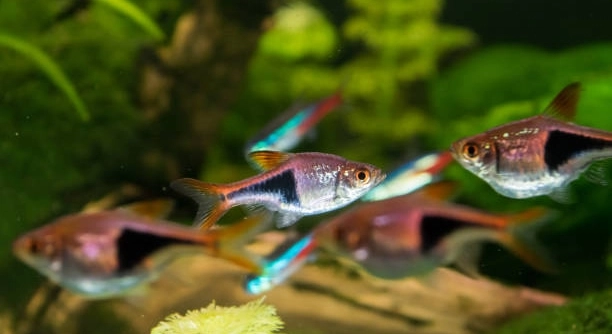
Are your rasboras swimming more slowly than usual and staying near the surface of the tank? Many aquarium enthusiasts notice subtle changes in behavior that could indicate their small fish are uncomfortable with the water temperature.
Rasboras exhibit signs of overheating when tank temperatures exceed their optimal range. Behavioral changes, altered swimming patterns, rapid gill movement, and faded coloration are common indicators that immediate adjustments are necessary to maintain their health and prevent stress-related illnesses.
Monitoring water conditions carefully is essential. Recognizing these signs early will help you maintain a comfortable and safe environment for your rasboras.
Rapid Gill Movement
When rasboras are too hot, one of the first noticeable signs is rapid gill movement. Fish rely on their gills to extract oxygen from water, and higher temperatures lower dissolved oxygen levels. As a result, rasboras breathe faster to meet their oxygen needs. Observing them near the water surface or gasping can indicate they are struggling with heat. It is important to check the tank thermometer regularly and ensure the temperature stays within the ideal range for rasboras, typically 22–28°C (72–82°F). Sudden temperature spikes can be stressful, affecting their immune system and overall behavior. Continuous monitoring and small, incremental adjustments in water temperature can prevent serious health issues. Adding plants or creating shaded areas in the tank can also help regulate temperature. Consistently watching for rapid gill movement helps in maintaining a stable and safe environment for these small tropical fish, ensuring they remain active and healthy.
Rapid gill movement signals immediate attention. Adjusting temperature and oxygen levels promptly prevents stress and potential long-term damage to rasboras.
Temperature regulation is crucial. Using reliable heaters or coolers and monitoring daily ensures rasboras remain within their comfort range. Overheating can lead to lethargy, poor feeding, and disease, making consistent observation vital.
Faded Coloration
Faded or dull coloration is another common sign that rasboras are too hot. High temperatures can stress fish, affecting their natural pigments. When stressed, their bright hues often dull, leaving them looking washed out or pale. This change is not just cosmetic; it reflects physiological stress. Consistent overheating can weaken the immune system and make them more susceptible to infections or parasites.
Observing color changes early can prevent serious issues. Prompt action helps restore their health and vibrancy.
Maintaining stable water temperatures is essential for keeping rasboras’ colors vivid. Fluctuating or excessive heat can cause chronic stress, leading to loss of appetite, reduced activity, and increased vulnerability to disease. It is helpful to monitor water daily, avoid direct sunlight exposure, and use equipment like thermostats to prevent spikes. Proper aeration and circulation also aid in keeping oxygen levels balanced, indirectly supporting pigment retention. Feeding high-quality foods rich in nutrients can enhance coloration while keeping the fish healthy. By addressing temperature issues promptly, you can ensure your rasboras regain their natural brightness and remain visually appealing in your aquarium.
Lethargic Behavior
Rasboras become noticeably less active when water is too warm. They may hover in one spot, avoid swimming, and show little interest in food. Reduced movement is a clear indicator of stress caused by high temperatures.
Lethargy in rasboras often signals prolonged exposure to excessive heat. Fish that normally swim energetically may linger near the surface or hide behind plants. High temperatures increase metabolism initially, but sustained heat exhausts their energy reserves. This can lead to weakened immunity, making them prone to disease. It is essential to monitor water temperature consistently and correct any deviations quickly. Adding cooler water gradually and improving tank circulation helps restore normal activity. Observing behavior daily ensures early detection and minimizes long-term effects of overheating.
Correcting lethargy requires careful temperature management. Slowly lowering the water temperature and maintaining aeration can revive activity. Avoid sudden changes, as they add stress, and maintain a stable environment to support recovery and overall health.
Erratic Swimming
Erratic swimming is a clear sign that rasboras are uncomfortable. They may dart quickly, collide with decorations, or swim in unusual patterns. This behavior is often triggered by heat stress, causing disorientation and restlessness.
Overheating impacts neurological and muscular functions, making swimming less coordinated. Rasboras exposed to high temperatures may suddenly change direction, swim in circles, or appear frantic. These movements indicate stress and low oxygen levels, which can be dangerous if prolonged. Consistently monitoring their swimming patterns can help catch issues early. Ensuring the tank maintains an appropriate temperature, with proper aeration and shaded areas, minimizes erratic behavior. Adjusting feeding schedules to match calmer periods also helps reduce stress.
Erratic swimming can escalate to injury or exhaustion if ignored. Keeping the water within the ideal temperature range, providing hiding spots, and observing daily ensures rasboras remain safe, healthy, and active.
Gasping at the Surface
Rasboras gasping at the surface is a strong sign of heat stress. Warm water holds less oxygen, forcing them to seek air at the top more frequently than normal. Immediate action is needed to prevent further strain.
Continuous surface gasping weakens fish over time. It is important to adjust temperature, increase aeration, and ensure proper water circulation to restore adequate oxygen levels.
Clamped Fins
Clamped fins indicate stress from elevated temperatures. Rasboras keep their fins close to their body instead of spreading them, signaling discomfort and potential illness. Regular observation helps catch this behavior early.
Reduced Appetite
High water temperatures can cause rasboras to eat less. Their metabolism is disrupted, and they may avoid food entirely, leading to nutritional deficiencies if not addressed.
Hiding More Than Usual
When rasboras spend excessive time hiding, it is often due to heat stress. They seek cooler, shaded areas in the tank to escape warm water, signaling an immediate need for temperature adjustment.
How can I quickly lower my tank’s temperature if my rasboras are too hot?
The fastest way to reduce tank temperature is by performing a partial water change with cooler, conditioned water. Avoid using ice or extremely cold water, as sudden drops can shock the fish. Using fans, increasing surface agitation, or adjusting the heater settings can also help gradually stabilize the temperature.
What is the ideal temperature range for rasboras?
Rasboras thrive in water between 22–28°C (72–82°F). Keeping temperatures consistently within this range ensures they remain active, healthy, and maintain vibrant coloration. Small fluctuations are acceptable, but prolonged exposure to temperatures above 28°C can cause stress and illness.
Why are my rasboras hiding more than usual?
Excessive hiding is often a response to heat stress. Rasboras instinctively seek shaded or cooler areas when the tank water becomes too warm. Observing their behavior and adjusting the temperature can encourage them to return to normal activity. Adding plants or decorations can also provide comfort while managing heat.
Can high temperatures affect my rasboras’ health long-term?
Yes, prolonged exposure to heat can weaken their immune system, reduce appetite, and increase susceptibility to diseases. Chronic stress may lead to faded coloration, sluggish behavior, and poor growth. Maintaining stable temperatures and proper aeration is essential to prevent long-term health problems.
How do I know if the water temperature is causing erratic swimming?
Erratic swimming is often linked to heat stress. Fish may dart, swim in circles, or collide with decorations. Monitoring the water temperature and oxygen levels while observing behavior changes can confirm if heat is the issue. Correcting temperature and improving circulation usually restores normal swimming patterns.
Are there signs of overheating besides behavior changes?
Yes, physical signs include faded coloration, clamped fins, rapid gill movement, and gasping at the surface. These indicators, combined with behavioral changes, point to water that is too warm. Prompt adjustments are crucial to prevent stress-related illnesses.
Can high temperatures affect rasboras’ appetite?
Overheating often reduces appetite. Fish may refuse food or eat very little, which can lead to nutrient deficiencies. Restoring proper water temperature and feeding smaller, more frequent meals can help regain normal feeding behavior.
What precautions can I take to prevent overheating in the future?
Regularly monitor the tank temperature with a reliable thermometer. Avoid placing tanks near direct sunlight or heat sources. Use fans, heaters with thermostats, or chiller systems to maintain stable temperatures. Ensure proper aeration and circulation to keep oxygen levels adequate.
How quickly should I act if my rasboras show signs of heat stress?
Immediate action is necessary. Gradually lowering the water temperature, increasing aeration, and observing behavior can prevent further stress. Quick response reduces the risk of illness, supports recovery, and maintains overall tank health.
Is there a way to naturally cool my tank without equipment?
Partial water changes with slightly cooler water, positioning the tank away from direct sunlight, and adding floating plants for shade can naturally help reduce temperature. While effective, these methods work best alongside monitoring and controlled adjustments.
Can heat stress cause permanent damage to my rasboras?
Chronic exposure to high temperatures can lead to long-term health issues such as weakened immunity, stunted growth, and increased vulnerability to disease. Prompt temperature management and careful observation are key to preventing permanent harm.
How often should I check water temperature to protect my rasboras?
Daily monitoring is recommended, especially during hot weather or if the tank is near heat sources. Consistent checks allow for early detection of temperature fluctuations and reduce the likelihood of stress or illness.
What role does oxygen play when water is too hot?
Warm water holds less dissolved oxygen, making it harder for rasboras to breathe. Increased gill movement, gasping at the surface, and lethargy are signs of low oxygen. Proper aeration and circulation are essential when managing elevated temperatures.
Are certain rasbora species more sensitive to heat than others?
Some species, like the harlequin rasbora, are slightly more tolerant of temperature changes, while others prefer narrower ranges. Researching specific species requirements helps ensure that your tank maintains conditions suitable for all residents.
Can stress from high temperatures trigger disease in rasboras?
Yes, heat stress compromises the immune system, increasing susceptibility to infections, parasites, and fungal growth. Maintaining stable temperatures and proper water quality is essential for disease prevention and overall fish health.
How can I tell if rapid gill movement is due to heat and not illness?
Rapid gill movement caused by heat is often accompanied by other stress behaviors, such as gasping, erratic swimming, or hiding. Illness may include visible spots, fin damage, or unusual growths. Observing the tank environment alongside behavior helps determine the cause.
Should I feed my rasboras less during hot periods?
Yes, their metabolism slows under stress from high temperatures. Offer smaller meals or reduce feeding frequency until normal activity resumes. Overfeeding during heat stress can worsen water quality and increase stress.
Is it safe to lower tank temperature quickly if the water is too hot?
Sudden drops in temperature can shock rasboras. Gradual adjustments, using cooler water or adjusting heaters slowly, are safest. Rapid changes can cause additional stress, potentially leading to illness or injury.
Can tank decorations help regulate heat stress?
Yes, plants, rocks, and other decorations provide shaded areas, allowing rasboras to escape direct warm water. They also create hiding spots, reducing stress while the overall temperature is adjusted.
How long does it take for rasboras to recover after heat stress?
Recovery time varies depending on the severity of the stress. With proper temperature management, aeration, and careful observation, many fish show improved behavior and appetite within a few days to a week. Chronic exposure may extend recovery.
What tools are essential for preventing overheating?
Reliable thermometers, adjustable heaters, fans, or chillers are key tools. Combined with proper aeration and water monitoring, they help maintain a stable, safe environment and prevent heat-related stress in rasboras.
Can I mix rasboras with other fish if the tank is prone to high temperatures?
Mixing species requires considering their temperature tolerance. If the tank tends to heat up, choose fish that can tolerate the same range. Incompatible species may stress more easily and exacerbate health problems in warmer conditions.
How does lighting affect tank temperature?
Strong, direct lighting can raise water temperature, especially in small tanks. Using timers, lowering light intensity, or placing the tank away from windows can help reduce heat buildup and prevent stress.
Are floating plants helpful during hot weather?
Yes, floating plants provide shade, reduce light intensity, and help maintain cooler water in surface layers. They also contribute to a more stable environment, which is beneficial for rasboras experiencing heat stress.
Can I leave the tank unattended during hot days?
No, constant monitoring is necessary. Even short periods of elevated temperature can cause stress. Daily checks and preventive measures like aeration, shading, and partial water changes are essential to protect the fish.
How do I balance feeding and water temperature management?
Feed smaller amounts during hot periods to reduce waste and prevent water quality issues. Focus on nutrient-rich foods while maintaining proper temperature and oxygen levels to support health and recovery.
Is it normal for rasboras to cluster near the surface in warm tanks?
Yes, clustering near the surface is a natural response to low oxygen levels caused by higher temperatures. Providing cooler water, aeration, and shaded areas helps disperse them and reduces stress.
What long-term measures can prevent repeated heat stress?
Maintain stable tank placement away from heat sources, use reliable temperature control devices, monitor daily, and ensure proper aeration and shading. Consistent water quality checks and appropriate tank mates further reduce the risk of repeated heat stress.
Can I use a fan to cool the water?
Yes, directing a fan across the water surface increases evaporation and helps lower temperature gradually. It works best in combination with partial water changes and careful monitoring to avoid sudden drops.
What signs indicate recovery after heat stress?
Active swimming, resumed appetite, vibrant coloration, and relaxed fins indicate recovery. Observing these improvements confirms that temperature adjustments and proper care are effective.
How important is tank size in regulating temperature?
Larger tanks have more stable temperatures due to greater water volume. Smaller tanks heat up more quickly and require more careful monitoring and preventive measures to avoid stress.
Can I use ice packs to cool the tank?
Directly placing ice packs in the tank is risky. It can cause rapid temperature changes, shocking the fish. Gradual water changes with cooler, conditioned water are safer and more effective.
Is water circulation important during heat stress?
Yes, proper circulation distributes oxygen evenly and prevents hot spots. Powerheads, filters, and aeration devices help maintain stable conditions and reduce stress on rasboras.
Can feeding frozen or live food help during heat stress?
Yes, providing nutrient-dense foods encourages feeding when appetite is low. Offer small portions to avoid water quality issues while supporting recovery.
How do I prevent overheating if I live in a hot climate?
Position the tank away from direct sunlight, use fans or chillers, maintain aeration, and monitor water temperature daily. Partial water changes with slightly cooler water can help keep conditions safe.
Are certain substrates better for temperature regulation?
Darker substrates can absorb heat, while lighter or sand-based substrates may reflect it. Choosing substrate carefully can help manage minor temperature fluctuations in the tank.
Can overcrowding increase heat stress?
Yes, more fish generate additional waste and heat, which can elevate water temperature and lower oxygen levels. Maintaining appropriate stocking levels reduces stress and supports stable conditions.
How do I know if my corrective actions are working?
Improved swimming, appetite, coloration, and reduced gasping indicate that temperature adjustments and aeration are effective. Continue monitoring to ensure stability and prevent relapse.
Are rasboras more sensitive to heat than other tropical fish?
Many rasbora species are moderately sensitive to temperature fluctuations. While they tolerate typical tropical ranges, sustained heat above 28°C can quickly induce stress and behavioral changes.
Can I combine water changes with aeration for faster cooling?
Yes, partial water changes with slightly cooler water plus increased aeration help reduce temperature gradually while maintaining oxygen levels, providing a safer method than sudden cooling.
What role does tank lid or cover play in heat management?
Glass or acrylic covers can trap heat, raising water temperature. Ventilated lids or leaving slight openings can improve airflow and prevent excessive warming.
How often should I clean the tank during hot periods?
Frequent water checks are more important than cleaning. Avoid overcleaning, which can stress fish. Focus on water changes and temperature management to reduce heat-related stress.
Does substrate depth affect water temperature?
Yes, deeper substrates may retain heat longer, influencing water layers. Monitoring overall water temperature ensures that the entire tank remains within a safe range for rasboras.
How does water hardness interact with temperature stress?
Hard or soft water can slightly influence fish stress tolerance, but temperature management remains the primary factor. Stable water parameters support recovery and prevent compounding stress effects.
Are rasboras more stressed during heat spikes at night?
Yes, night temperature spikes disrupt rest and can increase stress. Using timers, shading, or gradual cooling methods helps maintain stable nighttime conditions.
Can tank size and decoration placement help reduce heat stress?
Larger tanks buffer temperature changes better. Strategic placement of decorations and plants provides shaded areas and microclimates for rasboras to escape warmer spots, reducing overall stress.
Should I remove aggressive tank mates during heat stress?
Yes, aggressive or active tank mates can increase stress when water is too warm. Reducing social pressure helps rasboras focus on recovery and prevents additional stress-related issues.
Can I prevent stress by adjusting feeding schedules?
Yes, feeding during cooler periods and providing small amounts reduces metabolic strain during high temperatures. Combined with proper temperature management, it supports recovery and health.
What signs suggest permanent damage from overheating?
Persistent faded coloration, stunted growth, chronic lethargy, or frequent illness may indicate long-term effects. Preventing overheating and monitoring behavior early helps avoid these outcomes.
How do I balance oxygen levels and temperature control simultaneously?
Using aeration devices, surface agitation, and proper circulation ensures adequate oxygen while maintaining stable temperatures. These combined measures reduce stress and support rasboras’ recovery.
Can adding plants help oxygenation during hot periods?
Yes, live plants contribute oxygen during daylight and provide shaded areas. Proper planting improves both water quality and temperature management for stressed fish.
Are rasboras more sensitive during breeding or juvenile stages?
Juveniles and breeding rasboras are more vulnerable to heat stress. Maintaining optimal temperatures and stable conditions is especially important during these stages to ensure survival and healthy growth.
Is partial shading of the tank effective in controlling temperature?
Yes, using blinds, curtains, or floating plants to reduce direct light helps prevent water from overheating, offering a cooler environment for rasboras without sudden changes.
How do I maintain stable temperatures during heat waves?
Combine partial water changes with slightly cooler water, fans for surface cooling, increased aeration, and shading. Monitoring daily ensures the tank stays within a safe range, protecting rasboras from heat stress.
Can I use automated devices to manage temperature?
Thermostats, chillers, and automated fans help maintain consistent temperatures. They reduce manual adjustments and prevent overheating, providing a safer environment for rasboras.
How important is routine observation during hot months?
Daily observation is critical. Behavior changes like gasping, hiding, or lethargy indicate stress. Prompt action ensures early intervention and prevents long-term harm.
Can water additives help during heat stress?
Some conditioners stabilize water quality, but they do not replace temperature management. Ensuring proper temperature, aeration, and circulation remains the primary method to reduce heat stress.
Are young rasboras more prone to overheating than adults?
Yes, juveniles have less developed stress tolerance. They are more sensitive to temperature fluctuations, making careful monitoring essential. Stable conditions support healthy growth and reduce mortality risk.
What is the best method to combine aeration and cooling?
Increasing surface agitation through air stones or powerheads while gradually lowering water temperature with partial changes ensures effective cooling and oxygenation without shocking the fish.
How can I tell if hiding behavior is due to heat or illness?
Heat-induced hiding often occurs with other stress signs like gasping or clamped fins. Illness usually presents physical symptoms like spots, fin rot, or abnormal growths. Observing multiple indicators helps determine the cause.
Is it safe to turn off heaters during hot weather?
Only if the water temperature remains within the safe range. Turning off heaters completely in already warm tanks may not be necessary but should be monitored to avoid temperature swings.
Can multiple small fans be better than one large fan?
Yes, distributing airflow across the tank improves surface evaporation and temperature regulation evenly, reducing hot spots and supporting consistent oxygenation for all areas of the tank.
Does filter flow affect temperature management?
Filters aid circulation, distributing heat evenly and preventing stagnant zones. Proper flow supports oxygenation and helps stabilize the tank environment during hot periods.
Are there seasonal adjustments for preventing heat stress?
Yes, monitor temperature more closely during summer months, reduce direct sunlight, and increase aeration. Partial water changes and strategic shading are also effective seasonal measures.
How can I combine partial water changes and aeration effectively?
Replace 10–20% of the water with cooler, conditioned water while running air stones or filters. This gradually lowers temperature and maintains oxygen levels without shocking rasboras.
Can diet influence stress recovery?
Yes, nutrient-rich foods support metabolism and recovery. Feeding smaller, frequent portions reduces digestive strain while helping rasboras regain energy during and after heat stress.
Should I quarantine new fish in hot conditions?
Yes, quarantining prevents additional stress and potential disease outbreaks. New fish are sensitive to temperature fluctuations, so maintaining stable conditions ensures safer integration into the main tank.
Is it normal for rasboras to school tightly during heat stress?
Yes, tight schooling is a defensive response to stress. It provides a sense of security and can indicate that temperature adjustments are needed to reduce stress levels.
Can supplemental oxygen help during extreme heat?
Yes, air stones or oxygen diffusers increase dissolved oxygen, helping rasboras breathe comfortably when water is warmer than optimal, reducing stress and improving recovery.
How do I track long-term temperature trends?
Using a thermometer with daily logging or digital sensors helps identify gradual temperature increases. Tracking trends allows preventive measures before heat stress occurs.
Is monitoring pH and ammonia important during heat stress?
Yes, higher temperatures can accelerate ammonia production and affect pH. Keeping these parameters stable prevents additional stress while correcting water temperature.
Can I combine shade, aeration, and partial water changes simultaneously?
Yes, combining these methods provides the most effective approach to gradually reduce temperature while maintaining oxygen levels and minimizing stress on rasboras.
How do I support fish recovery after heat stress?
Maintain stable temperature, improve aeration, provide shaded areas, and offer small, nutrient-rich meals. Monitor behavior daily and adjust conditions gradually to ensure full recovery.
Are there signs that rasboras are fully recovered?
Normal swimming, regular feeding, vibrant colors, and relaxed fins indicate recovery. Continuous observation ensures that they remain healthy and stable in their environment.
What should I avoid when managing heat stress?
Avoid sudden temperature changes, overfeeding, or using ice directly in the tank. These actions can increase stress or cause shock, worsening the condition of rasboras.
Is it necessary to remove decorations during heat stress?
Not necessarily. Decorations provide shade and hiding spots, which help reduce stress. Focus on temperature management and aeration rather than removing objects from the tank.
How long can rasboras tolerate slightly high temperatures?
Short periods may be tolerable, but prolonged exposure above 28°C can cause stress, behavioral changes, and health issues. Monitoring and corrective action are essential for safety.
Can water conditioners help with oxygen retention?
Some conditioners stabilize water and reduce toxins, indirectly supporting oxygen levels. However, they cannot replace proper aeration or temperature control.
How often should I observe behavior during heat stress?
Multiple times a day is ideal. Early detection of gasping, hiding, or lethargy allows prompt action to prevent long-term harm and supports recovery.
Does tank placement impact heat stress risk?
Yes, placing the tank away from direct sunlight, heaters, or warm appliances reduces temperature fluctuations and prevents unnecessary stress.
Can I use chilled water from the fridge?
Only slightly cooler, conditioned water is safe. Avoid extremely cold water, as sudden temperature changes can shock rasboras and worsen stress.
Are certain filter types better for heat management?
Maintaining a safe and comfortable environment for your rasboras is essential for their health and well-being. High water temperatures can cause significant stress, leading to behavioral changes, physical symptoms, and potential long-term health issues. Observing your fish daily helps identify early signs of heat stress, such as rapid gill movement, faded coloration, erratic swimming, or gasping at the surface. These indicators are signals that the tank conditions need immediate attention. Simple adjustments, such as partial water changes with slightly cooler water, increasing aeration, or creating shaded areas with plants or decorations, can help restore balance and reduce stress. Consistent monitoring ensures that you can address problems before they escalate and helps maintain a stable environment that supports their natural behavior.
It is important to remember that rasboras thrive in water temperatures between 22–28°C (72–82°F). Even small deviations outside this range can affect their metabolism, appetite, and immune system. Prolonged exposure to heat can lead to chronic stress, making them more susceptible to diseases and reducing their overall lifespan. Stabilizing the tank temperature gradually is critical, as sudden changes can cause additional shock and stress. Using reliable thermometers, heaters with thermostats, and aeration devices allows for precise control over tank conditions. Additionally, tank placement matters; keeping your aquarium away from direct sunlight or heat sources can prevent unwanted temperature fluctuations. Combining these measures creates a safe and consistent environment where rasboras can swim actively, feed properly, and maintain vibrant coloration.
Long-term care involves more than just managing temperature; it requires observing patterns and maintaining proper water quality. Regular partial water changes, appropriate feeding schedules, and ensuring sufficient oxygen levels all contribute to a healthy habitat. Watching for changes in behavior or physical appearance gives insight into the tank’s overall condition and helps identify potential issues early. Even small adjustments, such as adding floating plants or rearranging decorations to provide shaded spots, can make a difference in reducing stress. By staying attentive and proactive, you can prevent heat-related problems and support the overall health of your rasboras. A stable, well-maintained tank not only improves their quality of life but also allows you to enjoy watching them thrive, displaying their natural colors and active swimming patterns without the complications caused by excessive heat.

Hello,
If you enjoy the content that we create, please consider saying a "Thank You!" by leaving a tip.
Every little bit helps us continue crafting quality advice that supports the health, happiness, and well-being of pets around the world, for pets of all shapes, sizes, and species.
We really appreciate the kindness and support that you show us!