
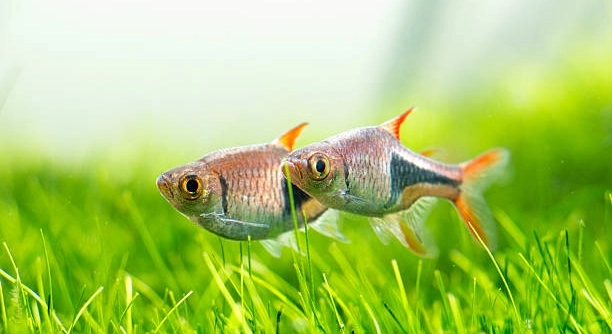
Do you ever notice your rasboras behaving differently, or your tank looking a little off from its usual balance? Small changes in their behavior, water clarity, or plant health could mean something in your aquarium setup needs attention.
The most common reason your rasbora tank needs adjusting is due to imbalances in water parameters, tank maintenance, or environmental conditions. These factors can cause stress, illness, or reduced activity in your fish, impacting their overall health and lifespan.
From subtle water changes to noticeable shifts in your rasboras’ swimming patterns, each sign offers valuable insight into their well-being.
Cloudy or Murky Water
A cloudy or murky tank can be a sign that your rasbora setup needs adjusting. This change often happens due to excess waste, leftover food, or a bacterial bloom. If the water is no longer clear, it can affect your fish’s comfort and breathing. Overfeeding is a common cause, as uneaten food breaks down and pollutes the water. Poor filtration or infrequent cleaning can also contribute to this issue. Regular partial water changes and ensuring the filter is functioning properly can help keep the water clean. Balanced feeding and avoiding overcrowding are equally important in preventing murky conditions.
Cloudy water not only looks unappealing but can also lead to more serious problems if ignored. Acting quickly helps maintain a healthy environment for your rasboras.
If you notice the cloudiness getting worse, consider testing your water for ammonia and nitrite levels. Addressing these problems early will prevent stress and possible illness in your fish.
Unusual Swimming Patterns
Rasboras that start swimming erratically or hiding more than usual may be signaling that something is wrong. These changes in activity can be linked to poor water quality, temperature shifts, or even the presence of aggressive tank mates.
Unusual swimming patterns are often tied to environmental stress. If your rasboras are darting, gasping near the surface, or staying at the bottom for long periods, it’s a sign to check water conditions immediately. Test for ammonia, nitrite, and pH imbalances, as these can quickly harm your fish. Temperature fluctuations should also be considered, especially if your heater is inconsistent. Sometimes, stress from new tank additions or bright lighting can affect behavior. To address these issues, stabilize water parameters, ensure proper aeration, and create hiding spaces. Observing your fish closely will help you detect patterns and catch problems before they become severe. Consistency in care will lead to calmer, healthier rasboras.
Faded or Dull Colors
When your rasboras lose their vibrant colors, it often signals stress or poor water conditions. Diet deficiencies, illness, or sudden changes in the tank environment can also cause their bright appearance to fade over time.
Poor water quality is the most common cause of dull colors. High levels of ammonia or nitrite stress your fish, making them lose their natural glow. A balanced diet with varied foods, including high-quality flakes or live options, helps maintain their colors. Stress from overcrowding or aggressive tank mates should also be avoided. Addressing these issues quickly can help your rasboras regain their brightness and energy.
Lighting can also play a role in color fading. Rasboras need a consistent day-night cycle to thrive, and poor lighting conditions can diminish their natural hues. Adjusting light intensity, improving water quality, and feeding nutrient-rich foods can gradually restore their vibrancy. Consistent care is the key to lasting results.
Excessive Hiding
If your rasboras spend more time hiding than swimming in open spaces, it can mean they feel unsafe or stressed. This behavior may be caused by aggressive tank mates, loud disturbances, or sudden changes in their environment.
Excessive hiding often comes from a lack of secure spaces in the tank. While rasboras enjoy some cover, they also need open swimming areas to feel balanced. Overly bright lighting or sudden movements near the aquarium can scare them into hiding more. Adding live plants, driftwood, or gentle shelters can provide comfort while still allowing them to explore. Checking for bullying behavior from other fish is also important, as constant harassment leads to stress. Maintaining stable water conditions and creating a calm environment will help your rasboras feel more confident and active. Consistent observation ensures their behavior returns to normal.
Loss of Appetite
A sudden drop in appetite can point to stress, illness, or unsuitable water conditions. Left unchecked, this can lead to weakness and vulnerability in your rasboras over time.
Feeding high-quality food in small amounts while improving tank conditions often restores appetite. Monitor for signs of disease or parasites.
Rapid Gill Movement
Fast breathing or rapid gill movement usually signals low oxygen levels, high ammonia, or stress. Immediate water testing is necessary to confirm the cause and take corrective steps before it worsens.
Increasing aeration, reducing waste, and maintaining stable water parameters can help your rasboras breathe more comfortably and recover quickly.
Floating at the Surface
When rasboras linger at the surface, it often means they are struggling to get enough oxygen. This could be caused by poor aeration, high temperatures, or water contamination. Addressing the root issue quickly will help restore their comfort.
FAQ
How often should I check my rasbora tank’s water parameters?
Testing your water once a week is ideal. This helps you detect small changes before they become serious problems. Ammonia, nitrite, nitrate, and pH should be checked regularly. If your rasboras seem stressed or sick, test immediately. Consistency in monitoring prevents long-term health issues.
What is the ideal water temperature for rasboras?
Rasboras thrive in water temperatures between 72°F and 78°F (22°C–25°C). Sudden temperature changes can stress them and weaken their immune system. Use a reliable heater to keep conditions stable, especially during colder months. Consistent warmth promotes healthy activity and bright colors.
How often should I feed rasboras?
Feeding them once or twice daily is enough. Offer only what they can finish within two to three minutes. Overfeeding leads to water pollution and can cause health problems. A varied diet of flakes, pellets, and live or frozen food supports their overall well-being.
Why do my rasboras hide all the time?
Constant hiding often means they feel unsafe or stressed. This can be due to aggressive tank mates, bright lighting, or sudden changes in the environment. Adding plants or decorations for shelter while reducing stress factors usually helps them feel more secure.
Can poor lighting affect my rasboras?
Yes. Lighting that is too bright can cause stress and encourage hiding. On the other hand, insufficient lighting may reduce activity and affect their natural colors. A balanced day-night cycle of about 8–10 hours of light works best for maintaining normal behavior.
Why is my rasbora’s color fading?
Faded colors can be linked to poor water quality, stress, illness, or diet deficiencies. High ammonia or nitrite levels are common triggers. Feeding nutrient-rich foods and improving water quality can gradually restore their natural vibrancy. Avoid sudden environmental changes.
How can I improve oxygen levels in my tank?
Adding an air stone, adjusting your filter output, or including live plants can boost oxygen. Avoid overcrowding, as too many fish will compete for oxygen. Cooler water holds more oxygen, so maintaining a stable temperature helps keep levels high.
Do rasboras need a planted tank?
While they can live without plants, they thrive in tanks with live vegetation. Plants provide shelter, improve water quality, and create a more natural habitat. Even a few hardy species can make a noticeable difference in their comfort and health.
Why are my rasboras swimming near the surface?
This usually indicates low oxygen or high levels of ammonia and nitrite. Immediate water testing is important. Improve aeration, perform a partial water change, and ensure your filter is functioning well to correct the problem quickly.
Can rasboras get sick easily?
They are generally hardy but can become ill if kept in poor conditions. Stress, overcrowding, and inconsistent maintenance make them more vulnerable. Quarantining new fish, maintaining water quality, and providing a balanced diet will help keep them healthy.
What size tank do rasboras need?
A group of rasboras should have at least a 20-gallon tank. This allows them enough room to swim freely while maintaining stable water conditions. Overcrowding in smaller tanks leads to stress and water quality problems.
How can I tell if my rasboras are stressed?
Signs of stress include faded colors, erratic swimming, hiding more often, or refusing food. These changes often point to water quality issues, aggression, or environmental changes. Identifying and addressing the cause quickly can prevent further health problems.
Should I keep rasboras in groups?
Yes. Rasboras are schooling fish and feel safest in groups of at least six. Keeping them in small numbers can lead to stress and timid behavior. Larger groups encourage natural movement and display their best colors.
Final Thoughts
Keeping rasboras healthy and happy starts with paying attention to their environment. A stable tank with clean water, the right temperature, and enough space makes a big difference in their well-being. Small changes in their behavior, appearance, or swimming patterns can be early signs that something is off. By noticing these details quickly, you can prevent small issues from turning into bigger problems. Regular testing, gentle maintenance, and consistent feeding routines all work together to create a balanced habitat where your rasboras can thrive. Stability is one of the most important things you can give them, as sudden changes in their environment can be stressful and harmful.
It’s also important to remember that rasboras are active schooling fish that feel safest in groups. Their health is not just about water conditions but also about feeling secure in their social environment. Providing plants, hiding spots, and open areas for swimming helps them stay active and reduces stress. Watching them interact as a group can also help you notice unusual behavior early on. If one fish begins acting differently, it may be a sign of illness or stress that needs attention. Balanced lighting, careful feeding, and avoiding overcrowding all contribute to a more natural and comfortable environment for them. Consistent care allows them to show their best colors and behave more naturally.
In the end, adjusting your rasbora tank when needed is about creating a space that supports their natural instincts and needs. This means maintaining good water quality, giving them room to swim, and keeping a stable environment. Every change you make in your tank, whether it’s adding new plants or improving filtration, should be done with their comfort in mind. A healthy tank benefits not just the fish but also makes the experience of keeping them more enjoyable for you. Watching your rasboras swim confidently, show vibrant colors, and interact with each other is a clear sign that your efforts are paying off. With regular observation and a little extra care, your tank will continue to be a safe and lively home for them. Over time, you’ll learn to recognize what they need and respond quickly, which is the best way to ensure their long-term health.

Hello,
If you enjoy the content that we create, please consider saying a "Thank You!" by leaving a tip.
Every little bit helps us continue crafting quality advice that supports the health, happiness, and well-being of pets around the world, for pets of all shapes, sizes, and species.
We really appreciate the kindness and support that you show us!