
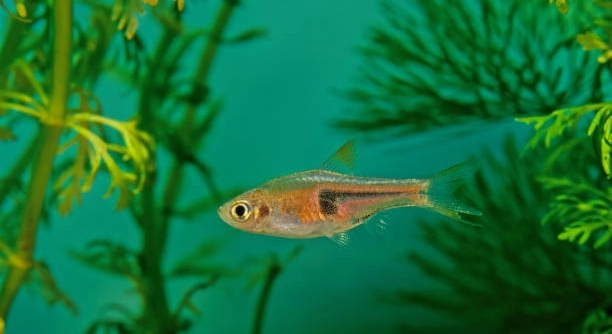
Rasboras are small, active fish that often show curious behaviors in their tank. Watching them investigate their surroundings can be quite fascinating and sometimes puzzling. These signs reveal how engaged they are with their environment.
Rasboras display investigation behaviors through distinct actions such as closely following objects, swimming in tight circles, pausing frequently, and using their barbels to explore. These behaviors indicate sensory exploration and environmental awareness in their natural aquatic habitat.
Recognizing these subtle cues helps in understanding your fish’s needs and keeping their environment stimulating and healthy.
Following Objects Closely
When a rasbora investigates something, it often follows objects or movements in its tank with great attention. You might notice your fish swimming alongside a plant swaying in the water or a bubble rising from the filter. This behavior shows that the fish is actively observing its environment, trying to understand what is happening around it. Rasboras have good eyesight, and they use it to track changes in their surroundings. This is natural for them because in the wild, staying alert helps avoid predators and find food. Watching this closely can give you clues about how comfortable and engaged your fish feels in the tank.
This close following is an important part of their natural behavior and signals alertness and curiosity.
Providing your rasbora with a variety of plants, decorations, or floating objects can encourage this behavior. It makes their tank more interesting and helps prevent boredom. The movement of these items mimics natural conditions, allowing the fish to stay mentally stimulated. Additionally, this activity can be a sign that your fish feels safe enough to explore. If you notice this behavior often, it means your tank setup is working well for your rasbora’s wellbeing.
Pausing and Inspecting
Rasboras often pause suddenly to inspect something before moving again. This stillness is a key sign of investigation.
This behavior shows the fish is carefully assessing an object or change in the environment, trying to decide if it’s safe or interesting.
Pausing allows the rasbora to gather information through its senses without rushing. It may hover near a plant leaf, a rock, or even a small bubble. These moments of stillness are important because they show the fish is engaged with its surroundings, rather than just swimming randomly. When a rasbora pauses to inspect, it’s using its instincts to evaluate potential threats or opportunities, like food. This behavior can also indicate that the tank environment is stimulating enough to capture the fish’s attention. If your rasbora is frequently pausing, it means it is alert and mentally active. Creating a diverse environment with different textures and objects can promote this behavior and improve your fish’s overall happiness.
Swimming in Tight Circles
Rasboras sometimes swim in tight circles when investigating something unusual. This repetitive motion helps them focus their senses on a specific area. It’s a clear sign they are trying to understand what caught their attention.
This behavior allows the fish to examine an object or spot from different angles without moving too far. Swimming in circles keeps them close to the point of interest and helps gather more information using sight and lateral line senses. It’s similar to how some animals in nature carefully study something before approaching or avoiding it. If you notice your rasbora doing this, it indicates alertness and curiosity about a particular part of the tank or something new.
Repeated circular swimming may also indicate mild stress or excitement. Providing a calm environment and familiar decorations can help your fish feel secure while it investigates.
Using Barbels to Explore
Rasboras use their barbels—small, whisker-like organs near their mouth—to investigate objects in the tank. These barbels help them sense textures and chemical cues, which is important for understanding their surroundings.
The use of barbels shows that the fish is not relying solely on sight. Instead, it’s using multiple senses to gather information. When a rasbora touches a leaf, rock, or other item with its barbels, it’s learning about the object’s shape and chemical makeup. This behavior is natural and helps the fish decide if the object is safe or edible. Barbels are sensitive organs that give detailed feedback, allowing the fish to interact carefully with unfamiliar elements in its environment.
Providing a tank with varied textures encourages this investigative behavior. Watching your rasbora use its barbels is a sign that it’s actively engaged and comfortable exploring.
Alert Body Language
Rasboras change their body posture when investigating. They may angle their bodies or flare their fins slightly to get a better look or signal caution.
This alert posture helps the fish stay ready to react quickly to changes or threats in their environment.
Investigative Swimming Patterns
Rasboras often swim more slowly and deliberately when exploring something new. This careful movement allows them to gather more information without startling themselves or others in the tank. Slower swimming also helps maintain focus on the object of interest, reducing unnecessary energy use. Observing this pattern shows that your fish is paying close attention and processing what it encounters. The behavior reflects natural instincts where careful investigation increases survival chances by avoiding hazards or discovering food sources. Offering a calm, stable environment encourages this thoughtful exploration.
Responding to Tank Changes
Rasboras respond quickly to new additions or rearrangements in their tank. This reaction is part of their natural investigation process.
Close Group Behavior
They often investigate as a group, staying close together while examining something unfamiliar or interesting.
How can I tell if my rasbora is investigating or stressed?
Rasboras investigating their environment tend to show focused, calm behaviors such as following objects closely or pausing to inspect. Stress behaviors are usually more frantic, including rapid darting, hiding excessively, or clamped fins. Investigative actions are deliberate and controlled, while stress responses appear erratic and anxious. Monitoring how often these behaviors occur can help distinguish curiosity from discomfort. A well-set tank with stable water conditions encourages natural investigative behavior, while sudden changes or poor water quality may trigger stress.
Why does my rasbora swim in circles around one spot?
Swimming in tight circles is a common investigative behavior. Your rasbora uses this to gather detailed information about a specific area or object without leaving its focus. This movement allows it to use multiple senses—like sight and the lateral line system—to understand the surroundings thoroughly. It’s natural and shows mental engagement. However, if the circling becomes repetitive and frantic, it might indicate irritation or discomfort, so keep an eye on other signs to be sure.
What do barbels do for rasboras during investigation?
Barbels are sensitive, whisker-like organs near a rasbora’s mouth that help detect textures, chemicals, and nearby objects. When a rasbora touches something with its barbels, it’s collecting information that sight alone can’t provide. This is especially helpful in low-light or murky water conditions. Barbels help the fish decide if an object is safe, edible, or just part of their environment. Watching your fish use its barbels means it feels comfortable enough to explore actively.
Is it normal for rasboras to pause frequently during investigation?
Yes, pausing is a key part of investigation. When your rasbora stops moving, it is carefully processing information about what it sees or senses. These pauses allow it to reduce distractions and focus on details. Frequent pausing shows the fish is alert and engaged rather than rushing through its environment. This behavior also helps in identifying threats or food. In a healthy tank, you will see your rasbora balance movement with these thoughtful moments.
Do rasboras investigate in groups or alone?
Rasboras are schooling fish and tend to investigate as a group. Staying close provides safety and helps them gather more information collectively. Group investigation also reduces stress since they feel more secure. You may notice synchronized swimming patterns or shared pauses while exploring new objects or tank changes. This social behavior is natural and important for their mental health. Isolated rasboras might investigate less often or appear more anxious.
How does tank environment affect rasbora investigation behavior?
A varied and stable tank environment encourages investigative behavior. Plants, decorations, and gentle water flow provide stimuli that trigger curiosity. If the tank is dull or overcrowded, rasboras may show less interest or become stressed. Clean water and consistent temperature also help your fish feel secure enough to explore. Small changes like adding new plants or rearranging decorations can spark investigation, but sudden drastic changes may cause stress instead.
Can investigation behavior help spot health problems?
Yes, changes in investigation behavior can signal health issues. If a rasbora stops exploring or moves erratically, it might be sick or uncomfortable. Lack of investigation can indicate lethargy or illness, while excessive frantic activity might show distress. Observing your fish’s normal investigation patterns helps you notice when something is off. Early detection allows quicker action, improving chances of recovery.
What should I do if my rasbora shows little interest in its surroundings?
If your rasbora rarely investigates, it could be due to stress, illness, or boredom. First, check water quality and tank conditions to ensure they meet recommended standards. Adding plants or new decorations can stimulate curiosity. Also, ensure the fish is healthy by watching for other symptoms like loss of appetite or unusual swimming. Sometimes, introducing more tank mates helps, as rasboras feel safer and more active in groups. Patience is important, as some fish take time to adjust and show natural behaviors.
How often do rasboras investigate during the day?
Rasboras are active fish and typically investigate their surroundings throughout the day. Their activity may peak during feeding times or when there are changes in the tank environment. Natural light cycles also influence behavior, with more investigation happening in well-lit periods. If your fish frequently investigates, it’s a good sign they feel comfortable and engaged. Consistent observation will help you understand your rasbora’s normal daily patterns.
Are there signs that mean investigation is becoming obsessive?
If a rasbora repeatedly focuses on the same object or swims in circles without breaks, this may indicate obsessive behavior. This could result from stress, boredom, or environmental issues like poor water quality. Obsessive investigation often comes with other signs such as loss of appetite or isolation. To reduce this, improve tank enrichment, maintain water quality, and consider adjusting tank mates or conditions. Monitoring your fish’s behavior carefully helps prevent long-term stress and health problems.
Understanding the behavior of your rasbora can greatly enhance your experience as a fish keeper. Observing how your fish investigates its environment reveals important clues about its well-being and comfort. These small actions, like following objects closely, pausing to inspect, or swimming in circles, are natural and healthy signs of curiosity. They show that your rasbora is alert and engaged with its surroundings. Recognizing these behaviors allows you to better meet your fish’s needs and create a tank environment that supports their mental and physical health.
Creating a stimulating and safe habitat is key to encouraging investigative behavior in rasboras. Providing plants, decorations, and varied textures offers plenty of opportunities for your fish to explore and stay active. Stable water conditions and appropriate tank mates also help your rasbora feel secure, which promotes natural curiosity. When your fish feels safe, it will spend more time investigating rather than hiding or showing stress signs. Paying attention to these details can improve your rasbora’s overall quality of life and help prevent behavioral problems related to boredom or discomfort.
Being aware of your rasbora’s investigation patterns also helps you notice when something is wrong. Changes in these behaviors—like a sudden lack of interest or frantic movements—can indicate stress or health issues. Early recognition of such changes lets you take action sooner, ensuring your fish gets the care it needs. Regular observation and a well-maintained tank go hand in hand to support your rasbora’s natural behaviors and well-being. Keeping your fish mentally engaged and physically comfortable leads to a healthier and happier aquatic environment for both you and your rasbora.

Hello,
If you enjoy the content that we create, please consider saying a "Thank You!" by leaving a tip.
Every little bit helps us continue crafting quality advice that supports the health, happiness, and well-being of pets around the world, for pets of all shapes, sizes, and species.
We really appreciate the kindness and support that you show us!