
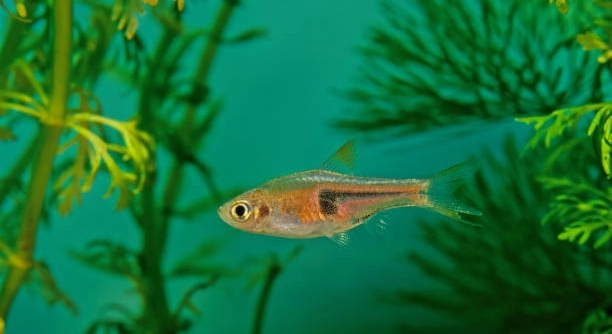
Rasboras are small, lively fish that brighten up any aquarium. Observing their behavior closely can reveal many aspects of their life, including when they are preparing to lay eggs. Knowing these signs helps ensure a healthy environment.
Before laying eggs, rasboras exhibit specific behavioral and physical changes. Common indicators include increased activity, pairing behavior, a slightly swollen belly in females, frequent visits to plants, changes in coloration, and heightened territoriality. Recognizing these signs allows for proper care and breeding management.
Understanding these signals will help you provide the best conditions for your rasboras’ reproductive health and maintain harmony in your aquarium environment.
Increased Activity and Restlessness
When female rasboras are ready to lay eggs, you may notice a marked change in their activity levels. They often swim more energetically around the tank, exploring every corner and moving with a purpose. Males may also become more active, following females closely. This increased motion is often paired with short, quick dashes through plants or near tank surfaces. Observing these behaviors consistently over a few days can indicate that spawning is imminent. The heightened activity is a natural instinct tied to reproduction and is essential for ensuring successful egg-laying. Some rasboras may also hover near specific areas of the tank where they feel safe, signaling the chosen spot for laying eggs. Tank conditions such as temperature, water quality, and available hiding spaces can influence this activity. Keeping the tank clean and stable supports their readiness, reducing stress and encouraging natural behaviors that lead to spawning.
Increased movement, chasing, and focused exploration are strong indicators that your rasboras are preparing for eggs.
Providing proper tank conditions during this period ensures healthier eggs and smoother spawning, minimizing stress for both females and males.
Color Changes and Physical Signs
Rasboras often show subtle physical changes as egg-laying approaches.
Females may develop a slightly rounder, more swollen belly due to maturing eggs, while their body shape can appear fuller and more pronounced. Males sometimes display brighter or more intense coloration to attract the female and assert dominance within the group. These color shifts are not always dramatic, but even small changes can be telling. The fins might flare slightly, and the fish may adopt a more upright swimming posture. Observing these changes in combination with behavioral signs, like pairing and frequent plant visits, strengthens the prediction that egg-laying is near. Providing soft plants, spawning mops, or fine-leaved vegetation gives females safe places to deposit eggs and males areas to display and guard. Maintaining optimal water parameters during this period reduces stress and supports reproductive health, making the process more successful. Regular monitoring ensures any unusual changes are noticed early.
Pairing Behavior
Rasboras often form temporary pairs when preparing to lay eggs. Males swim closely behind females, nudging or circling them. This behavior signals readiness and increases the chances of successful spawning within the tank environment.
The pairing behavior can last several hours or even days. Males usually stay very close, following females from one side of the tank to another. This constant attention is part of courtship, encouraging females to choose safe areas for egg deposition. Sometimes, multiple males may compete subtly for a female’s attention, but dominant males generally lead the process. Observing these interactions provides clear insight into when eggs are about to be laid, allowing you to adjust tank conditions.
During this period, it’s important to provide plenty of plants or spawning mops. Females will feel safer depositing eggs in areas with coverage, and males will patrol these spots, ensuring eggs are protected. Proper observation ensures minimal disturbance and better spawning outcomes.
Frequent Visits to Plants
Females approaching egg-laying often explore plants more than usual. They hover near leaves, stems, or fine vegetation, checking potential sites.
This behavior is linked to the instinct to find secure, sheltered locations for egg deposition. Plants provide surfaces where eggs can attach safely, reducing the risk of being eaten or damaged. Males follow closely, occasionally nudging females toward preferred spots. Observing consistent visits over a day or two is a strong indicator that egg-laying is imminent. The type of vegetation matters: fine-leaved plants or mosses are ideal for Rasbora eggs.
Providing clean, healthy plants encourages this natural behavior. The female will often linger, inspecting and sometimes rubbing her body lightly against leaves to test suitability. Males may guard the chosen area, patrolling and circling to ensure safety. Watching these interactions closely helps predict the exact timing of egg-laying. Proper tank maintenance and minimal disruption during this stage improve egg survival rates and ensure healthier fry once the eggs hatch.
Swollen Belly in Females
A noticeable sign of egg readiness is a slightly swollen belly in female rasboras. The abdomen appears rounder and fuller, especially near the lower section. This change indicates mature eggs and usually appears a few days before laying.
The swelling may be subtle at first but becomes more prominent over time. Careful observation helps distinguish between normal body shape and egg development.
Male Guarding Behavior
Males may become more territorial and protective around females and preferred spawning sites. They patrol the area constantly, chasing away other fish.
This guarding ensures the eggs will be laid safely and reduces disturbance from other tank inhabitants. Males may display brighter coloration and spread fins to assert dominance, making the area more secure.
Heightened Coloration
Both males and females can show intensified colors before spawning. This change signals readiness and attracts attention for mating.
Resting Near Spawning Sites
Females often pause or hover near chosen sites. This behavior indicates imminent egg deposition.
How do I know if my rasbora is ready to lay eggs?
Observing changes in behavior and physical appearance is key. Females usually develop a slightly swollen belly when eggs are mature. Males may become more vibrant in color and display persistent following or chasing behavior. Frequent visits to plants or spawning mops are another clear sign. Pairing behavior, where one male follows a female closely, indicates readiness for spawning. Restlessness and increased activity, especially near plants or safe corners of the tank, are additional indicators. Watching these patterns consistently over several days provides a reliable picture of imminent egg-laying.
What tank conditions support successful egg-laying?
Water quality is essential. Clean, well-filtered water with stable temperature and pH creates a safe environment for spawning. Slightly warmer temperatures, around 25–28°C (77–82°F), often encourage reproductive behavior. Providing dense vegetation or spawning mops gives females safe places to lay eggs and protects them from accidental predation. Minimal water flow near these areas helps eggs remain attached and reduces stress. Regular partial water changes and careful monitoring prevent sudden fluctuations, which can disrupt spawning. Maintaining these conditions ensures both adult fish and eggs remain healthy.
Do rasboras need special food before laying eggs?
High-quality, protein-rich food helps condition fish for reproduction. Live or frozen foods such as daphnia, brine shrimp, or bloodworms support egg development and improve fertility. Feeding smaller, frequent portions encourages active swimming and strengthens natural behaviors linked to spawning. Avoid overfeeding, as leftover food can compromise water quality. Balanced nutrition ensures the female develops healthy eggs and the male maintains energy for courtship and guarding behavior. Consistency in diet during this period is critical for preparing both fish for successful breeding.
How long does it take for eggs to hatch?
Rasbora eggs usually hatch within 24 to 48 hours, depending on water temperature and conditions. Warmer, stable water encourages faster development, while cooler or fluctuating temperatures may slow the process. Eggs are tiny, translucent, and often attached to plants or spawning mops, making them easier to monitor. After hatching, fry are very small and require suitable food like infusoria or liquid fry food for the first few days. Observing eggs carefully ensures timely removal of any unfertilized or fungus-affected eggs to prevent contamination.
Should I separate adult fish after eggs are laid?
Separating adults can protect eggs from being eaten. While rasboras are generally peaceful, adults may consume their eggs if left in the same tank. Using a breeding tank or a mesh divider allows the eggs to develop safely. Once hatched, fry can remain in a protected area until large enough to join the main tank. Providing adequate hiding spots, like fine-leaved plants or moss, can reduce predation if separation isn’t possible. Monitoring adult behavior closely helps decide whether immediate separation is necessary.
What should I do if eggs are not being fertilized?
Unfertilized eggs will appear opaque or develop a white coating and should be removed promptly to prevent fungal growth. Ensure that males and females are healthy and compatible, and that there are sufficient plants or spawning mops for egg deposition. Adjusting water conditions and feeding more protein-rich foods can improve fertility. Observing courtship behavior helps confirm whether mating is occurring. If males show no interest or eggs remain unfertilized consistently, reassessing tank setup, population ratio, or fish health may be necessary.
How can I prevent fungal infections on eggs?
Fungal infections often develop on dead or infertile eggs. Removing unhealthy eggs daily reduces risk. Maintaining clean water and using gentle aeration prevents stagnation and fungal growth. Some breeders lightly sprinkle antifungal treatments or use methylene blue in small amounts to protect eggs, though careful monitoring is essential. Healthy water parameters and minimal disturbance create the best environment for egg survival. Regular observation allows prompt action if any signs of fungus appear.
What do newly hatched fry eat?
Rasbora fry are tiny and require microscopic food initially. Infusoria, liquid fry food, or newly hatched brine shrimp provide adequate nutrition. Gradually, larger foods like finely crushed flakes or baby brine shrimp can be introduced. Feeding small portions multiple times a day encourages growth without compromising water quality. Clean water and careful feeding prevent disease and support strong, healthy fry development.
How fast do rasbora fry grow?
Growth depends on water quality, food availability, and tank conditions. Fry grow slowly at first but develop noticeably within 2–3 weeks when fed consistently and kept in stable water. Dense vegetation offers shelter, reducing stress and supporting normal behavior. As they grow, fry begin to resemble miniature adults, eventually joining the main tank when strong enough. Observing growth rates ensures proper care and timely adjustments in feeding and tank maintenance.
Can adult rasboras lay eggs multiple times?
Yes, adult rasboras can spawn multiple times during a favorable season. Providing consistent water quality, proper diet, and safe spawning sites encourages repeated cycles. Observing behavioral cues helps identify when females are ready again. Regular monitoring and supportive conditions maximize reproductive success and ensure healthy, viable eggs throughout the spawning period.
Rasboras are fascinating fish to observe, especially when preparing to lay eggs. Recognizing the signs of imminent spawning allows you to provide the proper care and environment for both adults and their offspring. From increased activity and pairing behavior to subtle changes in color and body shape, each sign provides valuable insight into their reproductive cycle. Paying close attention to these behaviors ensures that you can support your fish in a way that reduces stress and encourages natural processes. Observing them over time also helps build a better understanding of their habits and needs, making your aquarium a healthier and more harmonious environment for everyone in it.
Providing the right tank conditions is equally important. Clean, well-maintained water with stable temperature and pH levels creates an environment that supports egg-laying and healthy development. Dense plants, spawning mops, or fine-leaved vegetation offer females safe places to deposit eggs while allowing males to guard effectively. Ensuring proper nutrition is another key factor; protein-rich foods like brine shrimp, daphnia, or bloodworms condition both males and females for reproduction. Monitoring these aspects closely and making small adjustments when needed can have a significant impact on the success of spawning and the overall health of your fish. Being attentive without interfering excessively helps maintain a natural balance in the tank.
Understanding these patterns and needs also benefits the long-term care of your rasboras. Supporting their reproductive behaviors helps maintain population health and ensures the survival of the fry. Recognizing early signs of egg-laying and preparing the tank appropriately prevents common issues like predation on eggs, fungal infections, or stress-related complications. Over time, observing your rasboras’ habits builds confidence in predicting their behaviors and managing the aquarium efficiently. With careful observation, appropriate care, and consistent monitoring, you can create an environment where rasboras thrive, reproduce successfully, and display their natural, vibrant behaviors, making the aquarium experience both rewarding and fulfilling.

Hello,
If you enjoy the content that we create, please consider saying a "Thank You!" by leaving a tip.
Every little bit helps us continue crafting quality advice that supports the health, happiness, and well-being of pets around the world, for pets of all shapes, sizes, and species.
We really appreciate the kindness and support that you show us!