
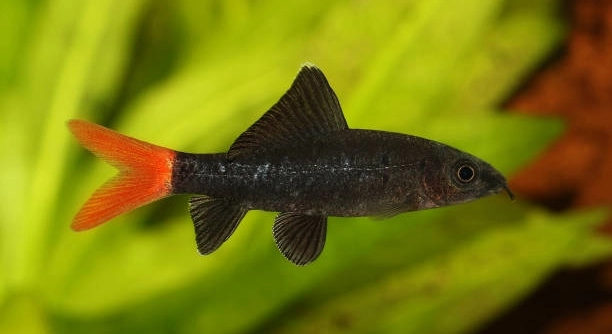
Keeping rainbow sharks healthy requires attention to their environment. Water quality plays a crucial role in their well-being. Recognizing the signs that your fish needs more frequent water changes can help maintain a balanced and thriving aquarium.
Rainbow sharks show several indicators when water changes are insufficient. Common signs include lethargy, loss of appetite, faded colors, increased algae growth, unusual swimming patterns, and increased waste buildup. These symptoms highlight poor water conditions that affect fish health and comfort.
Understanding these signs is essential for preventing long-term harm. Maintaining clean water supports your rainbow shark’s vitality and creates a healthier tank environment overall.
Lethargy and Loss of Appetite
When a rainbow shark becomes less active, it often signals stress caused by poor water quality. Lethargy can appear as slow movements or hiding more than usual. Alongside this, a loss of appetite is common. If your fish stops eating or eats less, it may be struggling with toxins building up in the tank. These behaviors are important to notice early. Regular water changes help reduce harmful substances, giving your rainbow shark a healthier environment. Ignoring these signs can lead to more serious health problems over time. Keeping an eye on your fish’s activity and feeding habits is a simple but effective way to spot water issues before they worsen.
Consistent water changes restore oxygen levels and remove waste that causes lethargy and appetite loss.
By maintaining clean water, you support your rainbow shark’s energy and hunger. This keeps your fish lively and responsive, helping them thrive in their tank. Observing behavior changes early allows prompt action, preventing more severe health decline.
Faded Colors and Algae Growth
Faded colors in a rainbow shark often indicate stress from poor water conditions. When water changes are infrequent, waste and toxins accumulate, dulling your fish’s vibrant appearance. Excess nutrients also encourage algae to grow rapidly. Algae overgrowth competes with your fish for oxygen and can cloud the water, reducing clarity and light penetration. This environment makes it harder for your rainbow shark to stay healthy. Frequent water changes remove excess nutrients and keep algae in check, helping preserve the fish’s natural colors and a clean tank. Maintaining proper filtration along with water changes enhances these benefits, ensuring a stable habitat that supports your fish’s well-being and visual appeal.
Unusual Swimming Patterns
Unusual swimming, such as erratic or sluggish movement, signals water quality issues.
When water changes are neglected, toxins and waste build up, affecting your rainbow shark’s nervous system and energy levels. This can cause swimming difficulties or restlessness. The fish may dart around quickly or float listlessly near the surface. These behaviors often indicate discomfort or poor oxygen levels in the water.
Regular water changes dilute harmful substances, improving water clarity and oxygen availability. This helps your rainbow shark regain normal swimming patterns and reduces stress. Monitoring behavior helps catch problems early before they worsen, supporting a stable and healthy tank environment.
Increased Waste Buildup
Excess waste in the tank is a clear sign water changes are needed.
Waste buildup leads to high ammonia and nitrate levels, which are toxic to fish. This can cause gill damage and respiratory problems in your rainbow shark. Waste also encourages harmful bacteria growth, increasing disease risk. Frequent water changes help remove these toxins, maintaining safer water chemistry. Proper filtration is also necessary but cannot replace the need for water changes. Maintaining a clean tank reduces stress on your fish and promotes better health.
Keeping waste under control with regular water changes preserves water quality. It also prevents conditions that could harm your rainbow shark’s immune system, helping your fish live longer and remain vibrant.
Increased Stress and Disease Risk
Poor water quality increases stress in rainbow sharks.
Stress weakens their immune system, making them more vulnerable to diseases and infections.
Cloudy or Dirty Water
Cloudy water is a sign that water changes are overdue. Waste and uneaten food accumulate, reducing water clarity. This creates an unhealthy environment that can harm your fish. Regular water changes help keep water clear and safe.
Reduced Oxygen Levels
Low oxygen is a common problem in tanks with infrequent water changes. Waste buildup consumes oxygen, making it harder for your fish to breathe. This can lead to gasping or resting near the surface. Frequent water changes replenish oxygen and improve your fish’s comfort.
FAQ
How often should I change the water for my rainbow shark?
Water changes should happen regularly, ideally once a week, replacing about 20-30% of the tank water. This keeps the environment stable by removing waste and toxins. More frequent changes might be necessary if the tank is small or heavily stocked. Consistency is key to maintaining water quality and your fish’s health.
Can I change too much water at once?
Yes, changing too much water at one time can stress your rainbow shark. Large sudden changes affect water parameters like temperature and pH. It’s best to make partial water changes gradually, maintaining stable conditions to avoid shocking your fish.
What signs indicate my rainbow shark is stressed?
Signs of stress include hiding, erratic swimming, loss of appetite, and faded colors. Stress often results from poor water quality or overcrowding. Monitoring your fish daily helps catch these signs early, allowing you to adjust care routines or water changes promptly.
Is tap water safe for water changes?
Tap water often contains chlorine or chloramine, which can harm fish. Always treat tap water with a water conditioner before adding it to the tank. This neutralizes harmful chemicals and makes the water safe for your rainbow shark.
How do I test water quality?
Use aquarium test kits to check levels of ammonia, nitrites, nitrates, and pH. Regular testing helps detect water issues early. Keeping these parameters within safe ranges prevents stress and illness in your rainbow shark.
What should I do if my rainbow shark shows signs of illness?
First, test and improve water quality with partial water changes. Quarantine sick fish if possible to prevent disease spread. Consult a veterinarian or aquatic specialist for proper diagnosis and treatment.
Can poor water quality kill my rainbow shark?
Yes, prolonged exposure to toxic water conditions can be fatal. High ammonia and nitrite levels damage gills and internal organs. Regular water changes are essential to prevent deadly toxin buildup.
How does filtration affect water changes?
A good filter helps break down waste but can’t replace water changes. Filters accumulate debris and can become less effective if not cleaned. Water changes remove dissolved toxins and keep the environment fresh.
What else can I do to keep water clean?
Avoid overfeeding, remove uneaten food, and clean the substrate regularly. Healthy plants can also help absorb excess nutrients. Together with water changes, these practices create a stable environment.
Is it normal for algae to grow in my tank?
Some algae growth is normal but excessive algae indicate too many nutrients and poor water quality. Regular water changes reduce algae growth and improve tank appearance.
Can water temperature affect my rainbow shark’s health?
Yes, water temperature affects metabolism and oxygen levels. Keep the tank between 72-79°F (22-26°C). Sudden temperature changes can stress your fish and worsen water quality problems.
What happens if I skip water changes?
Skipping water changes leads to toxin buildup, poor oxygen levels, and unhealthy conditions. This causes stress, disease, and can eventually kill your rainbow shark. Regular maintenance prevents these issues and promotes long-term health.
Final Thoughts
Maintaining good water quality is essential for keeping your rainbow shark healthy and happy. The signs discussed earlier—like lethargy, faded colors, and unusual swimming—are clear indicators that more frequent water changes are needed. These changes remove harmful substances that build up over time, improving the overall environment in your aquarium. A clean tank reduces stress and supports your fish’s natural behavior and appearance. Regular water changes work together with proper filtration and tank cleaning to create a balanced habitat where your rainbow shark can thrive.
It’s important to develop a consistent routine for water changes, ideally weekly, to prevent problems before they start. Small, partial water changes help maintain stable water parameters and avoid shocking your fish. Using treated water and testing the tank regularly can also ensure safe conditions. Even though it may seem like a simple task, neglecting water changes can quickly lead to poor water quality and health issues for your rainbow shark. Staying attentive to your fish’s behavior and tank conditions helps you respond quickly and keep your aquarium in good shape.
Taking care of a rainbow shark requires patience and attention to detail, especially regarding water quality. Clean water is the foundation of their health and vitality. By recognizing the signs that indicate when more water changes are needed, you can avoid serious problems and support your fish’s well-being. Consistent maintenance helps prevent disease, keeps your fish active, and maintains the beauty of your aquarium. Good water care is a key step in ensuring your rainbow shark lives a long and healthy life.

Hello,
If you enjoy the content that we create, please consider saying a "Thank You!" by leaving a tip.
Every little bit helps us continue crafting quality advice that supports the health, happiness, and well-being of pets around the world, for pets of all shapes, sizes, and species.
We really appreciate the kindness and support that you show us!