
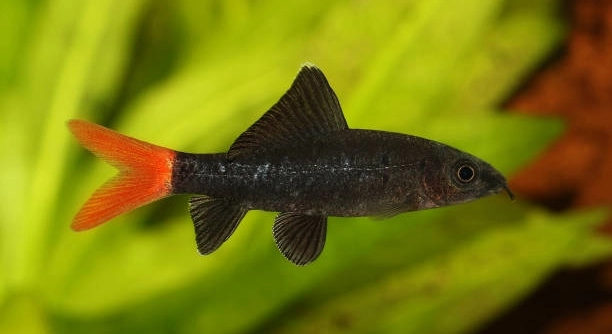
Rainbow Sharks are popular aquarium fish known for their striking colors and active nature. Keeping them comfortable is essential for their health and happiness. Tank size plays a key role in their overall well-being and behavior.
Rainbow Sharks require ample tank space to thrive because limited room can cause stress, aggression, and stunted growth. Proper space allows natural swimming patterns and reduces territorial disputes, which are critical factors for maintaining their health in captivity.
Recognizing the signs that your Rainbow Shark needs more space will help you provide a better environment. This article highlights key behaviors and changes to watch for in your tank.
Increased Aggression and Territorial Behavior
When Rainbow Sharks are confined to a tank that is too small, they often become more aggressive. These fish naturally establish territories in the wild, so when space is limited, they feel threatened by the close presence of other fish. This stress can lead to frequent chasing, biting, and defending small areas. Aggression may also increase toward tank mates that previously coexisted peacefully. Over time, this behavior can harm other fish and reduce the overall harmony in the tank. It’s important to observe interactions closely. When you notice signs of aggression rising, it usually means your Rainbow Shark needs more room to feel secure and reduce stress. Providing enough swimming space helps them establish a comfortable territory and lowers conflict.
Aggressive behavior is a clear sign that your Rainbow Shark is uncomfortable.
To keep your aquarium balanced, increasing tank size reduces aggression and supports peaceful cohabitation. Ensuring a minimum of 30 gallons per Rainbow Shark is recommended for healthy social behavior and mental well-being.
Reduced Swimming and Activity
A Rainbow Shark confined to a small tank often reduces its swimming activity. These fish are naturally active swimmers and need space to move freely. When the tank is too small, movement becomes restricted, and they spend more time hiding or resting than exploring. This lack of exercise affects their physical health and can lead to weakened muscles and a duller appearance. Limited space also restricts their ability to display natural behaviors, which affects their mental stimulation. Fish in cramped conditions may become lethargic or show signs of boredom. Watching for reduced activity is important because it signals the need for a larger environment. Increasing tank space encourages more natural movement and promotes better health.
Regular exercise is essential for Rainbow Sharks’ well-being.
Allowing sufficient space helps maintain their vibrant colors and boosts their overall vitality, keeping them lively and healthy.
Physical Signs of Stress
Stress in Rainbow Sharks can appear through changes in their physical condition. Faded colors, torn fins, or unusual marks often indicate poor tank conditions, including insufficient space.
When Rainbow Sharks do not have enough room, their immune system weakens, making them more vulnerable to disease. Stress causes physical damage, and confined tanks increase aggression that can lead to fin damage from fights. This also affects their appetite and energy levels. Monitoring their appearance regularly can help catch these problems early. If your Rainbow Shark shows dull colors or torn fins, it’s a strong indication that the tank size is limiting its well-being and that more space is necessary.
Providing a larger tank helps reduce stress and allows Rainbow Sharks to recover their vibrant colors and health. Clean, well-maintained water combined with adequate space supports their immune system, keeping them strong and active.
Frequent Hiding and Avoidance
Rainbow Sharks will hide more often when they feel stressed or threatened, especially in cramped tanks.
When a tank is too small, Rainbow Sharks may retreat into decorations or plants to avoid other fish or perceived threats. Excessive hiding reduces their activity and can be a sign of discomfort. Lack of space limits their ability to explore, so they hide to feel safe. Over time, this behavior can become a habit, causing the fish to lose confidence and natural curiosity.
Increasing tank size gives Rainbow Sharks more options to swim and explore, reducing the need to hide. More room also allows better separation between fish, lowering tension. This encourages a healthier, more active lifestyle with less stress and more natural behavior.
Stunted Growth
Insufficient tank space limits a Rainbow Shark’s growth. Small tanks restrict movement and reduce overall development.
Crowded conditions can also cause stress, which affects their ability to grow properly.
Changes in Appetite
A Rainbow Shark in a cramped environment may eat less or lose interest in food. Stress and limited space reduce their natural feeding behavior.
Excessive Splashing or Jumping
Rainbow Sharks sometimes splash or jump out of the tank when stressed or uncomfortable. This behavior often indicates they need more room to swim freely.
Poor Water Quality
Smaller tanks struggle to maintain stable water quality. Waste builds up faster, harming your Rainbow Shark’s health and comfort.
FAQ
How large should my tank be for a Rainbow Shark?
A minimum of 30 gallons is recommended for one Rainbow Shark to ensure it has enough swimming space and to reduce territorial behavior. Larger tanks are better if you plan to keep multiple fish or other species. Adequate space helps maintain their health and natural activity levels.
Can a Rainbow Shark live in a community tank?
Yes, but tank size is crucial. Rainbow Sharks can be territorial, especially in smaller tanks. A spacious tank with plenty of hiding spots helps reduce aggression. Choose peaceful tank mates and monitor interactions to prevent bullying or stress.
What signs show my Rainbow Shark is stressed?
Look for faded colors, torn fins, hiding more than usual, reduced appetite, and increased aggression. These signs often relate to insufficient space or poor water conditions. Stress weakens their immune system and affects behavior.
How can I improve my Rainbow Shark’s environment?
Increase tank size if possible, maintain clean water through regular filtration and water changes, and provide decorations and plants for hiding spots. Proper tank maintenance and space help reduce stress and encourage natural behavior.
Is aggression normal for Rainbow Sharks?
Some territorial behavior is natural, but excessive aggression usually points to stress or overcrowding. Providing more tank space and hiding places helps keep aggression in check and promotes peaceful cohabitation.
How often should I check my Rainbow Shark’s tank conditions?
Regularly test water parameters like ammonia, nitrites, nitrates, and pH, ideally weekly. Also, observe fish behavior daily to spot any early signs of stress or illness. Consistent care supports a healthy environment.
What should I do if my Rainbow Shark is constantly hiding?
Excessive hiding often indicates stress or discomfort, usually from limited space or bullying by tank mates. Consider increasing tank size or rearranging decorations to create more hiding places and swimming room.
Can a Rainbow Shark recover from stress caused by a small tank?
Yes, if the environment improves. Increasing tank space, maintaining clean water, and reducing aggressive tank mates can help your Rainbow Shark regain health and display natural behaviors again.
Are there alternatives if I can’t get a bigger tank?
If space is limited, avoid keeping multiple Rainbow Sharks together and reduce other territorial fish. Provide plenty of decorations for hiding and maintain excellent water quality to minimize stress. However, a larger tank is always best.
What tank setup works best for Rainbow Sharks?
A long tank with smooth substrate, live plants, rocks, and caves is ideal. This setup mimics their natural habitat and provides room to swim and hide, helping to reduce stress and aggression.
Rainbow Sharks are beautiful and active fish that need enough space to thrive. A tank that is too small can cause many problems, including stress, aggression, and health issues. It is important to pay attention to the signs your fish show. These signs help you understand when your Rainbow Shark needs more room to live comfortably. Watching their behavior and physical condition regularly is the best way to keep them healthy.
Providing a larger tank creates a better environment for your Rainbow Shark. More space allows them to swim freely and establish their own territory without constant stress or fights with other fish. It also helps keep their colors bright and their bodies strong. When the tank is big enough, Rainbow Sharks show more natural behaviors, such as exploring and interacting peacefully with tank mates. Besides space, clean water and proper tank maintenance are also important. Together, these factors create a healthy habitat where your fish can live longer and happier.
Choosing the right tank size and setup is a key responsibility for anyone keeping Rainbow Sharks. Taking action early when you notice signs of discomfort or stress can prevent many health problems. Increasing tank size, improving water quality, and providing hiding spots all make a difference. By meeting these needs, you help your Rainbow Shark thrive and enjoy a better quality of life. Giving your fish the space it needs is one of the simplest and most effective ways to support its well-being.

Hello,
If you enjoy the content that we create, please consider saying a "Thank You!" by leaving a tip.
Every little bit helps us continue crafting quality advice that supports the health, happiness, and well-being of pets around the world, for pets of all shapes, sizes, and species.
We really appreciate the kindness and support that you show us!