
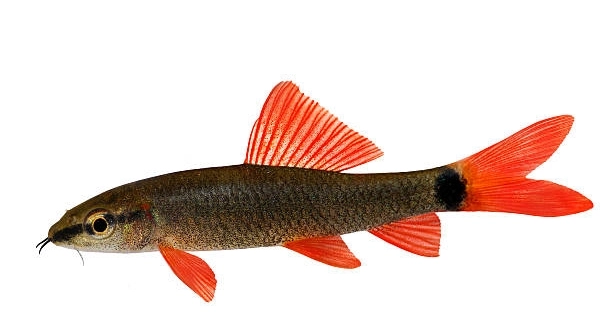
Is your rainbow shark acting oddly, becoming more aggressive, or hiding more than usual in your aquarium setup at home?
Rainbow sharks often show signs of stress or aggression when kept in tanks that are too small. A cramped environment limits their swimming space, causes territorial behavior, and can lead to poor health and long-term behavioral issues.
Recognizing the early signs of space issues can help improve your rainbow shark’s well-being and create a healthier, more peaceful tank environment.
Constant Chasing or Aggression
When a rainbow shark starts chasing other fish frequently or showing signs of aggression, it could mean the tank is too small. These fish are naturally territorial and need space to establish their preferred areas. In a cramped tank, they often feel threatened and react by asserting dominance more aggressively. This behavior puts stress on both the shark and the other fish, which can lead to injuries and a weakened immune system. A larger tank gives your rainbow shark room to swim freely, reduces conflict, and helps maintain balance in the aquarium. Without enough space, tension becomes a daily issue.
Aggression isn’t just random behavior—it usually comes from a lack of space or poor tank layout.
If your rainbow shark used to be calm and has become more territorial, consider upgrading to a tank that’s at least 55 gallons. This allows for proper hiding spots, a clear swimming path, and fewer territorial clashes. Rainbow sharks don’t need companions in a tank, but if you have them, spacing becomes even more important. Larger tanks dilute aggression and give other fish a chance to avoid confrontation. Always monitor behavior changes after a tank upgrade. A noticeable drop in chasing or fin-nipping confirms the space was likely an issue.
Excessive Hiding
Rainbow sharks enjoy having places to hide, but too much hiding can be a warning sign. This change often reflects stress caused by lack of space.
A rainbow shark that’s constantly hidden is usually overwhelmed or anxious. In a small tank, it might not feel safe or have the ability to escape more dominant fish. This stress pushes it to stay out of sight. Limited space and too few hiding spots create a situation where the fish no longer feels secure in its environment. This behavior is often mistaken as shyness when it’s really the result of poor tank conditions. Adding more room and proper decorations can give your fish the comfort and control it needs. It’s also helpful to adjust lighting and reduce external stressors like sudden movement near the tank. When a rainbow shark has enough room to move and settle into a safe territory, it becomes more visible, confident, and active in its surroundings.
Erratic Swimming Patterns
Erratic swimming like darting back and forth, crashing into tank walls, or circling nonstop usually points to stress. In rainbow sharks, this often means the tank is too tight or poorly arranged, making navigation and comfort difficult.
When rainbow sharks feel confined, they often release tension by swimming in fast, unpredictable bursts. This behavior isn’t playful—it’s usually a reaction to feeling unsafe or overly stimulated. It can also mean the tank doesn’t have enough open space for proper movement. These fish need room to swim horizontally and a layout that includes both open water and hiding places. Crowded setups or too many decorations can block natural swimming paths. Fixing this doesn’t always mean removing things; sometimes it’s about organizing the tank in a way that supports their natural behavior. If your shark swims calmly after adjustments, the space and layout were likely the issue.
Another reason for erratic movement is conflict with tank mates. In a small space, even peaceful fish can turn hostile. Your rainbow shark may swim aggressively or retreat quickly to avoid confrontation. These patterns, when frequent, often show it feels stuck and doesn’t have a calm zone to retreat to. A tank upgrade helps separate territories, ease movement, and reduce panic-like behavior. It’s an easy fix with a lasting impact.
Poor Appetite or Refusal to Eat
A rainbow shark that’s ignoring food or eating less might not feel comfortable in its environment. Space plays a big role in appetite. A stressed fish usually loses interest in feeding.
When rainbow sharks feel boxed in, their stress hormones increase, directly affecting their digestive response. A tank that’s too small or crowded with objects makes it hard for them to feel secure during feeding time. If there are other fish present, they might also be too intimidated to approach the food. In larger, more open tanks, they can observe feeding without feeling threatened and choose the best moment to eat. Another issue is poor water quality from overcrowding, which can also suppress appetite. It’s important to monitor uneaten food and remove it quickly, as it affects tank health. Once the shark starts eating again in a larger space, it’s a good sign that comfort and confidence are returning.
Lack of Growth
Rainbow sharks kept in small tanks often show stunted growth. Limited space restricts movement, increases stress, and affects appetite—all of which slow their natural development. Even with proper food and care, they won’t reach full size if their tank is too small.
Chronic stress also weakens their immune system, leading to illness that further delays growth. It’s not just about physical space—poor water quality in tight environments also plays a role. A larger tank with consistent care supports healthy development and keeps your fish thriving long term.
Frequent Fights with Tank Mates
Rainbow sharks become more territorial when space is tight. They feel the need to defend areas constantly, which causes tension with other fish. This can lead to frequent nipping, chasing, and hiding, making the tank a stressful place for everyone. More room quickly reduces these behaviors.
FAQ
How many gallons does a rainbow shark really need?
A single rainbow shark needs at least a 55-gallon tank to swim freely and claim its own territory. Anything smaller increases stress and aggression. If you plan to house other fish, go even bigger—around 75 gallons is better. The extra room gives each fish space to move, hide, and avoid confrontation. It also helps maintain better water quality, which supports long-term health. Although they’re often sold as suitable for smaller tanks, rainbow sharks do best in a large, open environment with stable conditions.
Can I keep more than one rainbow shark in the same tank?
It’s not recommended to keep multiple rainbow sharks together unless the tank is very large—at least 125 gallons. Even then, aggression is common. They’re highly territorial and will often chase or injure one another if they don’t have enough space to claim their own ground. If you must keep more than one, make sure the tank has plenty of hiding spots, broken sightlines, and a carefully planned layout. Adding them at the same time can also reduce early dominance issues, but it doesn’t remove the risk completely.
What are signs that my rainbow shark is unhappy in a small tank?
Common signs include hiding all the time, refusing food, constantly chasing tank mates, or darting along the glass. These are all stress behaviors that show the shark feels uncomfortable or unsafe. You might also notice slower growth or faded coloring, which means they’re not thriving. Once the environment improves—especially with more space—these issues usually start to go away. Watching how your fish behaves day-to-day can tell you more than water test kits or feeding charts alone.
Do rainbow sharks need tank mates?
Rainbow sharks don’t need tank mates to stay healthy, and in some cases, they do better alone. If you want to add other fish, choose peaceful species that swim in different parts of the tank—like the upper levels. Avoid bottom dwellers or fish with similar shapes and colors, as they’re more likely to be seen as rivals. A large tank helps reduce tension, but there’s no guarantee your shark won’t become aggressive. Always monitor their behavior after introducing new fish.
How can I reduce rainbow shark aggression without upgrading my tank?
If upgrading isn’t possible right away, rearrange the tank to break up sightlines and create new hiding spots. Move decorations and plants around to reset territorial boundaries. This confuses the shark slightly and can reduce chasing for a while. Also, avoid overstocking the tank—fewer fish usually means fewer conflicts. Dim the lighting and reduce foot traffic around the tank if possible. These small changes can help temporarily, but a larger tank is the most reliable solution for reducing aggression in the long term.
Why does my rainbow shark swim along the glass all day?
Glass surfing is usually a sign of stress or boredom. It often means the fish feels cramped or isn’t getting enough stimulation. In a small tank, it may not have enough room to swim properly or explore. Make sure your tank has open swimming space, interesting structures, and good water quality. If everything else seems fine, the tank might simply be too small. A bigger tank often helps fix this behavior quickly, giving your fish more room to relax and behave naturally.
Final Thoughts
A rainbow shark is a beautiful and active fish, but it needs the right space to stay healthy and calm. Many new fish keepers don’t realize how important tank size is until problems start showing up. If your shark is hiding all the time, acting aggressively, or swimming in a strange way, it could be a sign that the tank is too small. These fish may not always show stress in obvious ways, but their behavior changes when they’re unhappy. Giving them enough space to swim and claim a safe area in the tank helps lower stress and improves their overall well-being.
A larger tank doesn’t just benefit your rainbow shark—it helps create a balanced, peaceful tank for all the fish. More room means fewer conflicts, better water quality, and more chances for natural behavior. You won’t have to deal with constant chasing or fish getting injured from stress-related fights. Even things like appetite and color can improve when the fish is placed in a proper environment. It’s also easier to decorate and provide hiding spots in a larger tank without making it feel cramped. A well-planned tank setup allows the rainbow shark to thrive, and that makes caring for it much more enjoyable.
Taking the time to observe your fish and notice small behavior changes can help you catch problems early. If you think your tank might be too small, consider upgrading before things get worse. Fish can’t tell you what they need, but their actions are strong signals. A rainbow shark that swims calmly, eats well, and explores the tank freely is a sign that things are going right. Creating the right space isn’t just about size—it’s about layout, stability, and understanding what makes the fish feel safe. With proper care and the right environment, your rainbow shark can grow strong, stay active, and live a longer, healthier life in your home aquarium.

Hello,
If you enjoy the content that we create, please consider saying a "Thank You!" by leaving a tip.
Every little bit helps us continue crafting quality advice that supports the health, happiness, and well-being of pets around the world, for pets of all shapes, sizes, and species.
We really appreciate the kindness and support that you show us!