
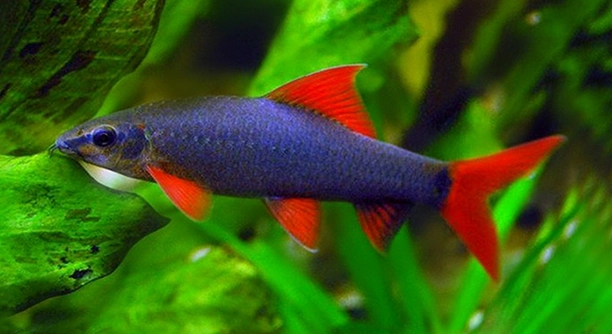
Many aquarium owners enjoy keeping rainbow sharks for their striking colors and active behavior. These fish need proper care to thrive, including enough space in their tank. Recognizing when your rainbow shark needs more room can prevent stress and health problems.
Rainbow sharks require adequate swimming space to maintain their well-being. Signs such as increased aggression, lethargy, and constant hiding often indicate the tank is too small. Providing a larger environment improves their behavior and overall health.
Knowing these signs can help you create a better home for your rainbow shark and keep it happy for years to come.
Signs of Aggression and Territorial Behavior
Rainbow sharks often become aggressive when they feel cramped in their tanks. You might notice them chasing other fish or repeatedly nipping at tank mates. This behavior is usually a clear sign they need more space to establish their territory. Overcrowding can increase stress levels, leading to frequent fights that can harm both the rainbow shark and other fish. It’s important to observe their interactions closely and act before aggression causes injury. Providing a larger tank allows them to swim freely and reduces tension among all the inhabitants.
Aggression in rainbow sharks usually increases as the tank size decreases. It’s a natural response to feeling confined and stressed.
Reducing aggression involves giving the fish enough space and proper hiding spots. Adding plants and decorations can help, but if the tank is too small, these won’t fully solve the problem. Upgrading to a larger tank with at least 55 gallons for one rainbow shark is often necessary. A bigger environment helps them feel secure and less likely to attack other fish. Keep the tank clean and maintain good water quality, as poor conditions can also increase irritability. Watching for aggressive behavior early on can save your fish from harm.
Changes in Activity and Swimming Patterns
When rainbow sharks feel cramped, their activity levels can change noticeably. They may become lethargic or stop swimming around as much as before. Sometimes, they pace back and forth in a small area or stay hidden for long periods. These changes show that the fish is uncomfortable in its environment. Rainbow sharks need room to swim freely to stay healthy and happy. Without enough space, their energy can drop, and they might stop exploring the tank.
Lack of space can cause rainbow sharks to reduce their natural swimming behavior.
To encourage healthy activity, the tank should be spacious enough for the fish to move freely and express normal behaviors. A cramped environment can restrict swimming, leading to stress and poor health. Observing these changes early can prompt timely tank upgrades or adjustments. Adding variety to the tank, like plants and caves, can also encourage natural behavior but won’t replace the need for adequate space. Making sure your rainbow shark has enough room helps it stay active, alert, and visually vibrant. Regularly monitoring their activity patterns is key to ensuring a healthy life.
Excessive Hiding
Rainbow sharks that feel cramped often hide more than usual. They retreat to corners, decorations, or plants and stay out of sight for long periods. This behavior usually means they feel stressed or threatened in their tank environment.
Hiding is a natural defense mechanism, but too much hiding indicates the tank is not meeting the fish’s needs. When there isn’t enough space, the fish feels insecure and tries to avoid contact with others. Over time, constant hiding can affect its health and reduce activity levels. It’s important to provide enough open swimming space and places to hide so the fish can feel safe without feeling trapped.
Adding more room and rearranging tank decorations can reduce hiding. A bigger tank with proper layout helps rainbow sharks feel comfortable and less stressed. Ensuring the fish has space to swim and explore will balance its need to hide with its need for movement.
Poor Appetite and Weight Loss
Rainbow sharks that don’t have enough space often show poor appetite and lose weight. Stress from a cramped environment can make them stop eating or eat less than normal. This can lead to health problems and weakened immune systems.
When fish feel stressed, their bodies produce hormones that reduce hunger and make it harder to digest food. If the tank is overcrowded or too small, the rainbow shark may avoid eating because it feels unsafe or overwhelmed. Regular monitoring of feeding habits and body condition can help catch this problem early. Providing a larger tank and stable water conditions encourages better eating habits and overall health.
Feeding small amounts multiple times a day can help stimulate appetite. Using high-quality food and keeping a consistent schedule also supports recovery. Addressing tank size and stress factors is key to reversing weight loss and improving the fish’s condition.
Stunted Growth
When a rainbow shark is kept in a small tank, its growth can slow down or stop altogether. Limited space restricts movement and affects overall development.
A cramped environment also impacts water quality, which can stunt the fish’s growth. Proper tank size is essential for healthy physical development.
Frequent Resting at the Bottom
Rainbow sharks that don’t have enough space often rest on the tank bottom more than usual. This behavior can indicate stress, illness, or discomfort caused by overcrowding.
If your fish spends a lot of time at the bottom, check water conditions and tank size. A larger, cleaner tank usually helps restore normal activity levels.
Rapid Gill Movement
Rapid gill movement in rainbow sharks is a sign of stress or poor water quality. Overcrowded tanks can reduce oxygen levels, making it hard for the fish to breathe comfortably.
Improving tank size and filtration will help maintain better oxygen and reduce stress for your rainbow shark.
FAQ
How much space does a rainbow shark need?
A single rainbow shark needs at least a 55-gallon tank to thrive. This size allows enough room for swimming and helps reduce territorial behavior. If you plan to keep more than one or other fish, a larger tank is necessary to prevent overcrowding and stress.
What happens if the tank is too small?
A small tank limits swimming space, causing stress and aggressive behavior. It can stunt growth, reduce appetite, and lead to hiding or lethargy. Poor water quality is also common in smaller tanks, increasing the risk of illness.
Can tank decorations reduce aggression?
Yes, adding plants, rocks, or caves helps break up the tank visually. These provide hiding places and territories, which can lower aggression. However, decorations don’t replace the need for a sufficiently large tank.
How do I know if my rainbow shark is stressed?
Signs include increased hiding, aggression, rapid gill movement, loss of appetite, and unusual swimming patterns. Stress often comes from overcrowding, poor water quality, or insufficient space.
Is it okay to keep multiple rainbow sharks together?
Rainbow sharks are territorial and may fight in close quarters. If you want to keep more than one, provide a large tank with plenty of hiding spots and space for each fish to claim its territory.
What water conditions are best for rainbow sharks?
They prefer clean, well-filtered water with temperatures between 74–80°F (23–27°C) and a pH of 6.5 to 7.5. Good water quality helps reduce stress and supports overall health.
How often should I upgrade my tank size?
Upgrade your tank when you notice signs of stress or when the fish outgrows its current space. Regular observation helps determine if your rainbow shark needs more room.
Can stress from a small tank cause illness?
Yes, stress weakens the immune system and makes fish vulnerable to diseases. Maintaining proper tank size and water conditions is key to preventing health issues.
What can I do if I can’t get a bigger tank right away?
Improve the current environment by cleaning regularly, reducing the number of fish, and adding hiding places. Still, upgrading to a larger tank should be a priority for long-term health.
Are there specific behaviors to watch for that show a need for more space?
Aggression, excessive hiding, pacing, loss of appetite, and lethargy are common signs. These behaviors suggest the tank is too small or the environment isn’t suitable. Monitoring these will help you act before serious problems develop.
When keeping rainbow sharks, tank size is very important for their health and happiness. These fish are active swimmers and need enough space to move freely. A small tank can cause many problems like aggression, stress, and poor health. Watching for signs that your rainbow shark needs more space can help you take action before these issues get worse. Providing a larger tank creates a better environment where your fish can live comfortably and behave naturally.
Stress is one of the main problems caused by a cramped tank. When rainbow sharks don’t have enough room, they may hide more, stop eating well, or act aggressively toward other fish. These behaviors show that the fish is uncomfortable and unhappy. Giving them a bigger tank reduces stress and improves their appetite and activity levels. Good water quality and proper care also support a healthier and longer life for your rainbow shark.
Upgrading to a larger tank might seem like a big step, but it is worth it for your fish’s well-being. In a spacious tank, rainbow sharks can swim freely, grow properly, and display their natural colors and behavior. Along with enough space, keep the tank clean and add decorations that offer hiding places without crowding the area. These steps will help your rainbow shark feel secure and happy, allowing you to enjoy watching its lively personality for years to come.

Hello,
If you enjoy the content that we create, please consider saying a "Thank You!" by leaving a tip.
Every little bit helps us continue crafting quality advice that supports the health, happiness, and well-being of pets around the world, for pets of all shapes, sizes, and species.
We really appreciate the kindness and support that you show us!