
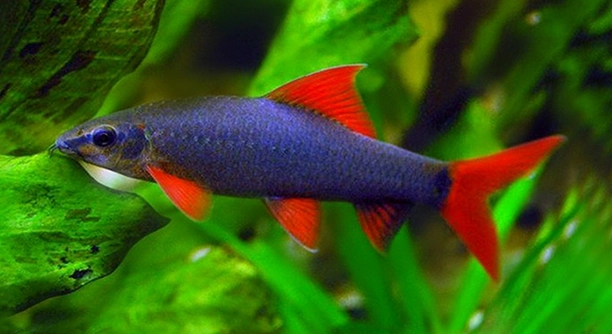
Rainbow sharks are popular freshwater fish that add color and movement to home aquariums. These active swimmers need a comfortable environment where they can feel safe and secure. Providing enough hiding spots helps reduce their stress and promotes natural behavior.
Rainbow sharks require multiple hiding places to feel secure and reduce stress. Without adequate cover, they may become aggressive, show signs of anxiety, or retreat excessively, negatively affecting their health and well-being in captivity.
Recognizing the need for more hiding places is key to maintaining a happy and healthy rainbow shark in your aquarium.
Increased Aggression Among Tank Mates
When a rainbow shark lacks enough hiding places, it can become more aggressive toward other fish. This happens because the shark feels threatened and tries to defend its territory. Without a safe spot to retreat, the shark may chase or nip at other tank mates. This behavior can cause stress and injury to the fish involved, disrupting the harmony in the aquarium. Aggression may also make your rainbow shark more stressed, which affects its health over time. Providing plenty of plants, caves, or decorations gives the shark places to hide and lowers its need to be territorial. This simple change often reduces aggressive actions and helps keep all fish calmer.
Aggression is usually a sign that your rainbow shark is uncomfortable and lacks a secure environment.
Adding well-placed hiding spots benefits not only the rainbow shark but also the other fish in the tank. These areas create boundaries and reduce confrontations, leading to a more peaceful tank. It also encourages natural behavior, allowing your rainbow shark to explore without feeling constantly threatened. Remember, a less stressed fish shows better color and activity, which makes your aquarium more enjoyable to watch. When choosing hiding spots, consider various sizes and textures to suit the shark’s preferences. Rocks, driftwood, and dense plants work well. Regularly check that these areas remain clean and accessible, ensuring your rainbow shark continues to feel safe and secure.
Signs of Stress and Illness
A rainbow shark without enough hiding places may show clear signs of stress and illness. Stress weakens their immune system, making them more prone to diseases. Watch for changes like loss of color, erratic swimming, or reduced appetite. These are common indicators that your fish needs a more comfortable environment. Stress from feeling exposed can lead to serious health problems if left unaddressed.
Stress and illness often result from a lack of secure spaces where the shark can rest and feel safe.
To help your rainbow shark recover, increase the number of hiding spots in the tank. Create shaded areas using plants or decorations to simulate natural cover. Ensure the tank water is clean and properly filtered, as poor water quality adds to stress. Monitoring your fish’s behavior daily helps catch early signs of distress. Improving the habitat supports the shark’s health and encourages more natural, relaxed behavior. This effort will help your rainbow shark thrive and remain a lively part of your aquarium.
Hiding Behavior Becomes Excessive
When a rainbow shark feels unsafe, it will hide more than usual. This behavior shows that the fish is stressed or scared. If your shark spends most of its time in one spot, it likely needs more places to feel secure.
Excessive hiding limits your rainbow shark’s activity, which can affect its overall health. These fish are naturally curious and like to swim actively. When they hide too much, it might be a sign that the environment feels too exposed or threatening. Lack of adequate hiding spots can make the shark nervous, forcing it to stay out of sight to avoid stress. This also prevents the shark from exploring and interacting with its tank mates, which is important for its well-being.
To reduce excessive hiding, add various hiding places such as caves, dense plants, or decorations. Changing the tank layout can help your rainbow shark feel more comfortable moving around. Offering different hiding options helps balance safety with activity, encouraging your fish to spend more time swimming freely.
Changes in Feeding Habits
A rainbow shark that lacks hiding places may show changes in its eating habits. Stress or fear can cause it to eat less or avoid food altogether. This impacts its growth and health over time.
When a fish feels unsafe, it focuses on survival rather than feeding. Inadequate hiding places make the shark feel vulnerable during feeding times. It might rush or hide while eating, leading to poor nutrition. A secure environment allows the rainbow shark to feed calmly and regularly. Observe feeding closely and make sure food reaches areas where the shark feels comfortable. Adding hiding spots near feeding areas can reduce stress, encouraging the shark to eat well.
Improving the tank setup with plenty of cover helps restore normal feeding behavior. Healthy feeding supports the rainbow shark’s immune system and activity levels. Keep the environment stable and stress-free to maintain good appetite and overall fish health.
Restlessness and Erratic Swimming
Restlessness in a rainbow shark often indicates discomfort. If your fish swims rapidly or erratically, it may be searching for a safe spot. This behavior suggests it lacks adequate hiding places to feel secure.
Erratic swimming can also lead to injury if the shark bumps into decorations or tank walls. Providing more hiding spots reduces this restless behavior and helps the fish stay calm and healthy.
Fading Colors
A rainbow shark that feels stressed will lose its bright colors. Dull or faded coloration is a common sign of distress caused by an insecure environment. Proper hiding places help maintain the shark’s vibrant appearance.
Avoiding Interaction
When hiding spots are insufficient, a rainbow shark may avoid tank mates and human interaction. This behavior shows it is not comfortable in its space and feels vulnerable without proper cover.
FAQ
How many hiding places does a rainbow shark need?
Rainbow sharks thrive best with multiple hiding spots throughout the aquarium. Ideally, provide at least three to five hiding areas of different sizes and types. This variety helps the fish feel secure and gives it options to retreat or rest. Hiding places should be spaced out to reduce territorial disputes and cover different parts of the tank, such as near the bottom, sides, and among plants.
What types of hiding places are best for rainbow sharks?
Good hiding places include caves, rock formations, dense live or artificial plants, and driftwood. These offer shelter and mimic the natural environment of rainbow sharks. Make sure hiding spots have enough space for the shark to comfortably enter and turn around. Avoid sharp or rough edges that could injure the fish. You can use aquarium decorations specifically designed for hiding or create natural-looking shelters with rocks and plants.
Can a lack of hiding places cause illness in rainbow sharks?
Yes, stress from insufficient hiding spots weakens the immune system and can lead to illness. When rainbow sharks feel exposed, they experience constant stress, which lowers their resistance to diseases like fungal or bacterial infections. Providing enough safe spaces helps reduce stress and supports overall health, making the fish less prone to sickness.
How can I tell if my rainbow shark is stressed?
Signs of stress include excessive hiding, faded colors, loss of appetite, erratic swimming, and aggression. You might notice your fish avoiding interaction or staying still for long periods. Monitoring these behaviors regularly helps catch stress early so you can adjust the environment before health problems arise.
Is it better to have more plants or decorations for hiding?
Both plants and decorations serve as good hiding places. Plants offer natural cover and improve water quality, while decorations create solid shelters. A combination works best, giving your rainbow shark different textures and spaces to choose from. Live plants can also provide shade, reducing light intensity, which some rainbow sharks prefer.
Can adding hiding places reduce aggression in my aquarium?
Yes, increasing hiding spots decreases territorial fights and aggression. When fish have places to retreat, they feel less threatened and are less likely to chase or nip at tank mates. Proper hiding places create boundaries and reduce stress, improving harmony in the tank.
Should I rearrange hiding places if my rainbow shark seems stressed?
Rearranging the tank can help if your shark seems stressed. Changing hiding spots may make the environment feel new and secure again. Be sure to maintain clean hiding places and avoid overcrowding the tank, which can create new stress. Regular adjustments encourage natural exploration and reduce boredom.
How often should I clean hiding places?
Clean hiding spots regularly, at least once every two weeks, to prevent buildup of algae and waste. Use gentle cleaning methods that do not remove beneficial bacteria. Keeping these areas clean maintains water quality and ensures your rainbow shark has safe, healthy shelters.
Can hiding places affect the growth of rainbow sharks?
Yes, proper hiding places contribute to healthy growth by reducing stress and encouraging regular feeding. When rainbow sharks feel safe, they eat better and expend energy naturally, which supports growth. Without enough cover, stress can stunt development and weaken their immune system.
What should I avoid when creating hiding places?
Avoid sharp edges, small tight spaces where the shark can get stuck, and overcrowding the tank with too many decorations. Ensure hiding spots are stable and won’t collapse, which could injure your fish. Use materials safe for aquarium use to prevent toxins from harming your rainbow shark.
Final Thoughts
Rainbow sharks need more than just clean water and proper food to thrive in an aquarium. Their environment must also feel safe and secure. One of the most important ways to achieve this is by providing enough hiding places. These shelters help the fish reduce stress, stay healthy, and show natural behavior. Without adequate hiding spots, rainbow sharks can become aggressive, restless, or withdrawn. This not only affects their well-being but can also disturb the peace of the entire tank.
Creating the right environment for your rainbow shark means paying attention to its need for shelter. Hiding places come in many forms, like caves, plants, or decorations, and they should be varied to offer multiple options. The fish will use these spots to rest, hide from perceived threats, or simply feel safe. When a rainbow shark has enough places to hide, it is less likely to show signs of stress or illness. This helps maintain a balanced and calm aquarium where all the fish can coexist peacefully. Regularly checking and maintaining these hiding areas is just as important, since clean and accessible shelters keep your fish comfortable.
In the end, understanding the behavior and needs of your rainbow shark is key to its happiness and health. Paying attention to signs such as aggression, hiding, or changes in feeding can alert you to whether it needs more hiding spots. Providing these spaces not only improves the shark’s life but also enhances the overall aquarium environment. A well-planned tank with enough hiding places helps your rainbow shark live a longer, healthier, and more active life. Taking these steps shows good care and respect for your fish’s natural needs.

Hello,
If you enjoy the content that we create, please consider saying a "Thank You!" by leaving a tip.
Every little bit helps us continue crafting quality advice that supports the health, happiness, and well-being of pets around the world, for pets of all shapes, sizes, and species.
We really appreciate the kindness and support that you show us!