
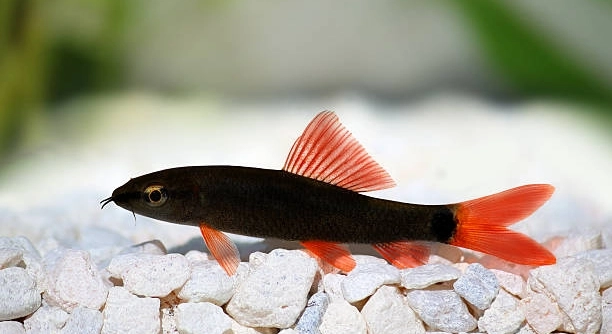
Is your rainbow shark acting differently, hiding more than usual, or swimming less often around the tank? These could be early signs that something isn’t quite right and may point to a need for more attention.
Rainbow sharks may show signs of stress or neglect through changes in behavior, such as aggression, hiding, lack of appetite, or reduced activity. These signs can indicate boredom, insufficient space, poor water conditions, or a lack of stimulation.
Recognizing these behaviors early can help you make simple changes that improve your shark’s health and overall environment.
1. Your Rainbow Shark Hides Constantly
Rainbow sharks often seek shelter occasionally, but if yours spends most of its time in hiding, it may be feeling stressed or unsafe. A tank that lacks enough space or has poor layout design can make your shark feel uncomfortable. Aggressive tank mates or sudden changes in the environment also contribute to this behavior. It’s important to provide plenty of hiding spots, but also ensure there’s enough open swimming space. Make sure tank mates are compatible and that the water conditions remain stable. Frequent hiding is not just about shyness—it can reflect physical or emotional discomfort in your shark.
A rainbow shark that rarely comes out could be trying to avoid conflict or reacting to poor water quality. Check tank conditions regularly and monitor how other fish behave around it.
Observing your shark’s hiding patterns over time can give you clues about what may be off in its environment. Adjust lighting, tank layout, and fish combinations to see what helps it feel more secure. When properly cared for, a rainbow shark should explore its tank actively. If hiding continues, consider testing water parameters more frequently or moving aggressive tank mates. Subtle changes can make a big difference in how secure your shark feels.
2. It Refuses to Eat
Refusing food is a clear warning sign that your rainbow shark may not be getting the attention it needs. This is often linked to stress, illness, or changes in the tank environment.
When a rainbow shark stops eating, the first thing to check is water quality. Ammonia spikes, low oxygen, or high nitrate levels can suppress appetite. Make sure your filtration system is working well and perform partial water changes regularly. Stress caused by sudden temperature shifts, loud noises, or incompatible fish can also affect feeding habits. Rainbow sharks also prefer certain foods, and a lack of variety may lead to disinterest. Try offering a mix of high-quality flakes, sinking pellets, and occasional fresh vegetables like zucchini. If your shark is still refusing food after environmental checks and diet changes, it may need isolation or further observation. A healthy rainbow shark should be active and show interest in food during feeding times.
3. It Chases Other Fish Constantly
Constant chasing can be a sign of stress or lack of stimulation. Rainbow sharks are territorial, but if the behavior becomes aggressive and frequent, it may mean the shark is not getting enough space or environmental enrichment.
A crowded or poorly arranged tank often leads to this behavior. Rainbow sharks need a minimum of 50 gallons with clear territories marked by decor or plants. When their environment feels too small or dull, they release that energy by chasing others. This puts stress on both the shark and its tank mates. Make sure each fish has a place to retreat to. Introduce natural barriers to reduce line-of-sight aggression. Rearranging the tank layout can also help reset boundaries. If aggression continues, reevaluate the tank population or consider a larger tank to reduce stress and allow for better swimming space.
Adding new hiding spots, tall plants, or small caves may reduce chasing. These additions help define space and keep the shark engaged. Providing mental stimulation through varied feeding routines or slight changes in lighting can also calm behavior. If the shark becomes more settled after these updates, it’s a strong sign it was acting out from boredom or tension. Consistent aggression should not be ignored, as it affects the health of the entire tank.
4. It Swims Erratically
Erratic swimming, like sudden bursts of speed or frantic darting, usually means something is wrong. It’s not just a personality trait—this type of behavior often signals discomfort, stress, or a reaction to water conditions.
Poor water quality is one of the most common causes. Even slight changes in ammonia or pH can affect a rainbow shark’s movement. Start by testing all water parameters and ensuring your filter is running properly. Make sure water changes are regular and not too abrupt, as sudden changes in temperature or chemistry can trigger erratic behavior. Tank noise, bright lights, or nearby vibrations may also cause distress. If your shark doesn’t calm down after adjustments, check for signs of disease or parasites. Rapid gill movement, visible spots, or clamped fins may indicate something more serious that requires treatment. Erratic swimming isn’t normal and should be taken seriously.
Another reason for this behavior could be a lack of stimulation or a tank that feels too exposed. Rainbow sharks prefer some cover, and when there’s not enough, they may act out by swimming in short bursts or pacing the glass. Consider rearranging plants and decorations to offer more shelter and visual interest. Some owners find that even small changes, like dimmer lighting or reducing outside activity near the tank, help their fish calm down. Addressing both environmental stress and health factors ensures your shark feels safe and comfortable.
5. It Sits at the Bottom All Day
A rainbow shark that spends all day at the bottom without moving much may be feeling unwell or stressed. This behavior can be linked to poor water quality, lack of stimulation, or sudden changes in the environment.
If this happens often, check the water conditions and temperature. A drop in energy or frequent bottom-sitting can also point to issues with diet or illness. Make sure the tank is clean and the filter is working properly to avoid buildup of waste and toxins.
6. Its Colors Look Dull
Dull colors are often a result of chronic stress or poor nutrition. A healthy rainbow shark should have a deep gray body and bright red fins. When colors fade, it can be due to poor water conditions, lack of proper food, or frequent disturbances. Try feeding a more varied diet that includes high-protein sinking pellets and occasional frozen treats. Keep tank lighting natural and consistent. Avoid overcrowding and make sure the tank has enough hiding places and territory for the shark to feel secure. Dull colors don’t just affect appearance—they are a sign that your shark’s overall health needs attention.
7. It Reacts Slowly to Movement
Slow reactions often mean your rainbow shark is feeling sluggish, stressed, or unwell. This can be caused by water quality issues, lack of stimulation, or early signs of illness. Regular observation helps spot these changes early.
How often should I check my rainbow shark’s tank water?
Water quality is one of the most important factors for your rainbow shark’s health. It’s best to test the water at least once a week for ammonia, nitrites, nitrates, and pH levels. Regular checks help catch problems early before they affect your fish. If you notice any signs of stress or illness, test more frequently until conditions improve. Keeping the water clean and stable will reduce most behavioral issues.
What type of tank setup is best for a rainbow shark?
Rainbow sharks need a tank of at least 50 gallons with plenty of swimming space and hiding spots. Use smooth gravel or sand substrate to protect their delicate undersides. Include rocks, plants, and decorations that create natural barriers and territories. Good filtration and moderate water flow are important. Avoid overcrowding to reduce stress and aggression. Proper lighting that mimics natural daylight helps maintain their vibrant colors and normal behavior.
What should I feed my rainbow shark to keep it healthy?
A balanced diet is essential for your shark’s color and energy. Offer high-quality sinking pellets designed for carnivorous fish as the staple food. Supplement this with frozen or live foods like bloodworms, brine shrimp, or daphnia once or twice a week. Occasionally provide vegetables like zucchini or cucumber to add variety. Avoid overfeeding, as excess food can pollute the tank and harm your fish.
Why does my rainbow shark sometimes act aggressive?
Aggression usually happens when the tank is too small or crowded. Rainbow sharks are territorial and need clear boundaries to feel secure. Lack of hiding places or too many fish in one space increases tension. Rearranging tank decorations or increasing tank size often reduces aggressive behavior. Removing or separating aggressive fish may be necessary if problems persist.
Can a rainbow shark live with other fish?
Yes, but tank mates should be peaceful and fast swimmers. Avoid slow, small, or long-finned fish that may be bullied. Good companions include larger tetras, danios, and barbs. Make sure the tank is spacious enough to prevent territorial fights. Watch behavior closely when introducing new fish to ensure harmony.
What causes my rainbow shark to lose color?
Loss of color usually means stress, poor nutrition, or bad water conditions. Check for signs like faded fins, dull body, or clamped fins. Improve diet, maintain stable water quality, and reduce disturbances in the tank. Sometimes, lighting changes or illness cause color loss. If symptoms continue, consult an aquatic veterinarian.
How can I tell if my rainbow shark is sick?
Signs of illness include lethargy, loss of appetite, abnormal swimming, visible spots or lesions, and rapid breathing. Changes in behavior like constant hiding or scratching against objects may also indicate health problems. Regular observation and quick action at the first sign of trouble improve recovery chances.
What is the ideal temperature for a rainbow shark tank?
Rainbow sharks prefer temperatures between 72°F and 79°F (22°C to 26°C). Sudden temperature shifts can stress them, so maintain a stable environment using a reliable heater and thermometer. Avoid placing the tank near windows or vents where temperature fluctuates.
How often should I clean my rainbow shark’s tank?
Partial water changes of 20-30% should be done weekly to keep water clean and reduce toxins. Clean the substrate gently with a gravel vacuum and rinse filter media without soap to maintain beneficial bacteria. Over-cleaning can harm the tank’s ecosystem, so balance is key.
Why does my rainbow shark hide so much?
Excessive hiding is a sign of stress, illness, or feeling unsafe. Check water quality, tank mates, and the environment. Providing enough hiding spots and reducing disturbances often helps. If hiding persists, look for signs of disease or discomfort. Sometimes, it’s a response to aggression or poor tank conditions.
Taking good care of a rainbow shark means paying close attention to its behavior and environment. These fish need more than just food and water—they require a balanced tank setup, clean water, and a peaceful community to thrive. When signs like hiding too much, refusing food, or chasing other fish appear, it is important to respond quickly. Addressing these issues early helps prevent serious health problems and creates a better home for your rainbow shark. Understanding what your fish needs can make a big difference in its overall well-being.
Maintaining the right tank conditions is essential. Regular water testing, proper filtration, and consistent temperature control keep your rainbow shark healthy and active. Providing enough space and hiding places reduces stress and aggressive behavior. A varied diet supports their bright colors and energy levels. It is also helpful to watch your fish daily for changes in activity or appearance. Small changes in behavior often show when something is wrong before it becomes serious. This kind of care takes time and attention but pays off by keeping your rainbow shark happy.
If problems continue despite your efforts, seeking advice from experienced aquarists or a veterinarian can be very useful. Sometimes health issues require treatment beyond basic care. Remember that every rainbow shark is different and may react to its environment in unique ways. Being patient and observant helps you understand your fish better. With careful care and attention, your rainbow shark can live a long, healthy life and be a colorful, active part of your aquarium.

Hello,
If you enjoy the content that we create, please consider saying a "Thank You!" by leaving a tip.
Every little bit helps us continue crafting quality advice that supports the health, happiness, and well-being of pets around the world, for pets of all shapes, sizes, and species.
We really appreciate the kindness and support that you show us!