
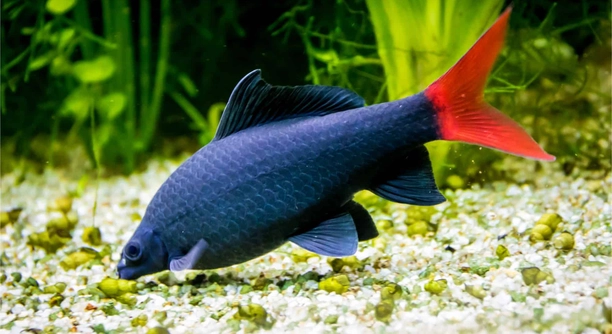
Is your rainbow shark acting restless or hiding more often than usual? It might be reacting to something off in its environment.
A lack of plant cover in the aquarium can lead to stress, aggression, and territorial behavior in rainbow sharks. These fish rely on plants for shelter, security, and boundaries, especially in community tanks.
Learning to spot these signs can make a big difference in your rainbow shark’s comfort, behavior, and overall well-being in the tank.
Sign 1: Increased Aggression Toward Tank Mates
When your rainbow shark becomes more aggressive, it may be lacking enough hiding spots or space to feel secure. These fish are naturally territorial, but their behavior can escalate when they don’t have plants to help break up lines of sight. In planted tanks, aggression is often reduced because the fish feel more secure and have designated zones. Without this, they may lash out at others or claim too much territory. Adding broad-leaved plants like Anubias or tall background species such as Vallisneria can create shelter and barriers. This keeps their environment peaceful and helps tank mates feel less threatened. Look out for chasing, nipping, or constant patrolling near the bottom of the tank—these signs suggest your shark might be under stress. Once you increase plant cover, you’ll likely notice a calmer, more balanced interaction with other fish in the tank.
A sudden shift in your rainbow shark’s attitude is usually a sign that something isn’t right with its setup.
Make sure to rearrange the tank slightly when adding plants. This helps reset territory boundaries and reduces ongoing tension between fish sharing the space.
Sign 2: Constant Hiding or Staying in One Spot
Excessive hiding may seem harmless, but it can be a response to anxiety caused by an open or exposed tank layout.
A well-planted tank can completely change this. Rainbow sharks prefer environments where they can tuck themselves away while still observing their surroundings. In tanks that lack enough cover, they might feel unsafe and end up staying in one corner or under a single decoration for long stretches. Adding dense plants like Java fern, Amazon sword, or floating varieties like water lettuce gives them the option to explore safely. These plants provide visual comfort, reduce overexposure, and help mimic the shark’s natural environment. When the fish feels shielded and safe, it will start swimming around more confidently. Try placing plants in multiple areas, especially in the corners or along the back wall. This creates layers and visual depth in the tank, encouraging movement and more natural behavior. You’ll likely notice your shark becoming less withdrawn.
Sign 3: Rubbing Against Objects
Rubbing against rocks, glass, or decorations may be a stress response. While it’s sometimes mistaken for play, repeated rubbing often means the fish is uncomfortable, possibly due to poor water quality or lack of shelter.
In tanks with low plant cover, rainbow sharks may become anxious and display repetitive behaviors like rubbing. This isn’t just about irritation from water conditions; it can be linked to feeling too exposed. A planted setup softens lighting, buffers current, and helps reduce reflected light on tank walls, all of which help your fish feel more at ease. Use real or silk plants to add coverage at different heights and textures. When a rainbow shark feels more secure, this rubbing behavior often decreases. Monitor water parameters regularly too—ammonia and nitrite spikes can worsen stress-related behaviors. But even in clean water, a bare tank can trigger this reaction due to lack of comfort and security.
Plants also serve as natural filtration, absorbing excess nutrients that would otherwise stress the fish. Adding live plants helps reduce nitrate buildup and balances oxygen levels, which supports overall health. When fish are healthy and comfortable, they’re less likely to develop odd behaviors. Creating the right environment plays a major role in keeping your rainbow shark calm and active.
Sign 4: Refusal to Eat
Skipping meals isn’t always about illness—it can be from environmental discomfort. Rainbow sharks are sensitive to changes in lighting, water flow, and exposure. If they feel unsafe, they often stay hidden and ignore food completely.
Plants reduce harsh lighting and help make the tank feel more natural. This matters because rainbow sharks are used to murky, plant-rich waters in the wild. Bright, open tanks can be overwhelming and stressful, especially if there’s nowhere to hide. By softening the light and creating shaded areas, plants encourage your fish to come out and eat. Floating plants like frogbit or hornwort are especially helpful for dimming overhead light. A tank that mimics their natural habitat encourages normal routines, including feeding. Once the fish feels secure and less exposed, appetite typically returns. If your shark stays near the bottom and shows little interest in food, check the tank layout—it might be time to add more cover.
Sign 5: Constant Pacing Along the Glass
Pacing up and down the glass can be a sign your rainbow shark feels exposed or unsettled. This behavior often appears in tanks that lack enough visual breaks or shaded zones to help the fish feel safe.
Without plants, open spaces can overstimulate your shark. It may pace along the glass trying to escape the environment or find cover that isn’t there. Adding tall plants or floating varieties helps block reflections and provides a sense of boundary.
Sign 6: Faded or Pale Coloring
Faded coloring usually points to ongoing stress. When rainbow sharks feel unsafe or uncomfortable, their vibrant colors often dull. A tank without enough plant cover can increase this response over time. Plants don’t just make the tank look nice—they offer security and break up direct lighting that may cause stress. Low lighting levels, paired with rich plant coverage, create a calmer environment. This makes a big difference in how your fish feels and behaves. Once they feel protected and relaxed, their color tends to return to its usual brightness. Try planting in layers with a mix of heights and textures.
Sign 7: Staying Near the Filter or Heater
This behavior usually means your shark is searching for comfort or shelter. If plants are missing, these are the only available hiding places.
FAQ
Why do rainbow sharks need plants in their tank?
Rainbow sharks come from slow-moving, heavily planted rivers and streams. Plants provide them with shelter, boundaries, and places to hide. This reduces stress and aggression by giving them a sense of security. Without plants, their environment feels open and unsafe, which can lead to behavioral issues and health problems.
Can artificial plants provide the same benefits as live plants?
Artificial plants offer visual cover but lack many benefits of live plants. Live plants improve water quality by absorbing nitrates and producing oxygen. They also create a more natural environment that helps fish feel comfortable. Artificial plants don’t provide these ecological benefits, but they can still help reduce stress by adding hiding spots.
How many plants should I add to my rainbow shark tank?
It’s best to fill about 50-70% of the tank with plants or decorations that provide cover. Use a mix of tall plants for background coverage, medium plants for mid-level shelter, and floating plants to soften lighting. This variety mimics their natural habitat and helps break up the tank visually, reducing territorial behavior.
What types of plants work best for rainbow sharks?
Hardy plants like Anubias, Java fern, Amazon sword, and Vallisneria are great choices. These species tolerate a wide range of water conditions and don’t require intense light. Floating plants like frogbit or water lettuce are useful to reduce direct overhead light and create shaded areas where the shark can feel safe.
Will adding plants reduce aggression among tank mates?
Yes, plants create natural boundaries that help reduce line-of-sight conflicts. This decreases stress and territorial disputes, especially in community tanks. When your rainbow shark feels secure, it’s less likely to chase or nip other fish. Plants also help calm more timid species sharing the tank.
How do I introduce plants without stressing my fish?
Add plants gradually to avoid shocking the fish. Rearrange existing decorations carefully to create new hiding spots. Monitor your fish’s behavior closely after planting. If you notice reduced aggression or more exploration, the change is positive. Keep water parameters stable during this process to avoid additional stress.
What if my tank doesn’t get enough light for live plants?
Low-light plants like Java fern and Anubias can survive in dim conditions. These plants grow slowly but provide good coverage and shelter. Alternatively, consider adding floating plants to diffuse light and create shaded zones. Avoid high-light plants if your tank lighting is weak, as they may not thrive.
Can plants affect water quality in my tank?
Yes, live plants help improve water quality by absorbing nitrates, carbon dioxide, and other waste products. This natural filtration reduces toxins and keeps the environment healthier for your rainbow shark. Plants also produce oxygen during photosynthesis, which benefits all aquatic life in the tank.
How often should I trim or care for the plants?
Regular trimming prevents overcrowding and maintains healthy growth. Remove dead or decaying leaves promptly to avoid water pollution. Some fast-growing plants may need trimming every few weeks, while slower-growing ones require less frequent care. Consistent maintenance ensures your tank stays balanced and inviting for your fish.
Are there risks to having too many plants in the tank?
Too many plants can limit swimming space and reduce water circulation, which might stress your rainbow shark. It’s important to find a balance between enough cover and open areas for swimming. Proper pruning and tank layout help maintain this balance, ensuring both shelter and freedom of movement.
When caring for a rainbow shark, providing enough plants in the tank is essential for its well-being. Plants offer more than just decoration—they create a safe space for the fish to explore, hide, and rest. Without proper plant cover, rainbow sharks can become stressed, aggressive, or withdrawn. These behaviors can affect not only the shark but also other fish sharing the tank. It’s important to observe your fish’s behavior closely and adjust the environment to meet its needs. Adding a variety of plants can improve both the physical and mental health of your rainbow shark.
Choosing the right plants is part of creating a healthy aquarium environment. Hardy species that tolerate a range of water conditions and lighting levels work best. Live plants contribute to better water quality by absorbing excess nutrients and producing oxygen. They also help soften lighting and reduce reflections, making the tank feel more natural. This comfort encourages normal behaviors such as swimming, feeding, and socializing. Even if you cannot add many plants, including some floating varieties or hardy rooted plants can make a difference. Regular maintenance like trimming and removing dead leaves keeps plants healthy and the tank balanced.
Ultimately, a well-planted tank supports your rainbow shark’s natural instincts and promotes a calm, stable environment. This reduces the chances of stress-related problems and helps your fish display its best colors and behaviors. Paying attention to these needs shows care and respect for your pet’s well-being. Simple changes in plant coverage can lead to noticeable improvements in your rainbow shark’s happiness and health. Providing plants is an easy and effective way to create a thriving aquatic home.

Hello,
If you enjoy the content that we create, please consider saying a "Thank You!" by leaving a tip.
Every little bit helps us continue crafting quality advice that supports the health, happiness, and well-being of pets around the world, for pets of all shapes, sizes, and species.
We really appreciate the kindness and support that you show us!