
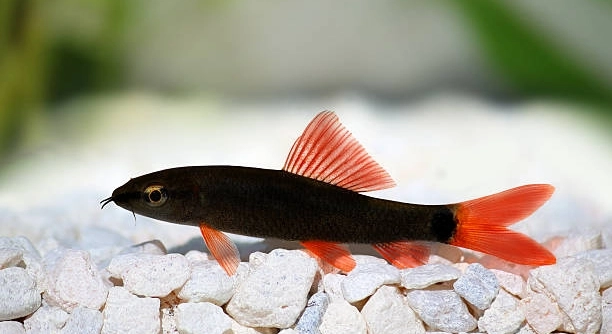
Is your rainbow shark spending more time hovering in place instead of swimming actively through the tank? These small changes in behavior can sometimes be overlooked, but they may be early signs your fish needs more activity.
Rainbow sharks may require more exercise if they show sluggish swimming, lack of appetite, increased aggression, or spend too much time hiding. These behaviors can indicate boredom, stress, or insufficient space to engage in natural movement.
Knowing how to spot these signs early can make a real difference in your rainbow shark’s overall well-being and tank harmony.
Lack of Movement Around the Tank
A healthy rainbow shark is usually active and curious, swimming along the bottom and middle levels of the tank throughout the day. If you notice your shark staying in one corner for long periods or only swimming when disturbed, this could be a sign of low energy. Inactivity may be caused by limited space, lack of stimulation, or changes in water conditions. These fish need room to explore and environmental features that keep them mentally and physically active. A bare tank or one that’s too small can lead to disinterest in swimming. Regular movement is essential not only for exercise but also for overall health, including digestion and stress levels. Adding plants, hiding spots, and open swimming space can encourage better habits. Always check tank mates as well—constant conflict or overcrowding may discourage movement and cause your shark to hide or become less active over time.
Even subtle changes in your rainbow shark’s activity levels should not be ignored, especially if paired with other unusual behavior.
To help your shark become more active, try rearranging tank décor occasionally to provide new exploration routes. This keeps things interesting for the fish. Also, maintaining high water quality encourages movement and reduces discomfort that can come from poor conditions.
Changes in Appetite
A rainbow shark that’s not getting enough exercise may start refusing food or eating far less than usual.
Appetite is closely linked to both energy levels and tank conditions. A fish that isn’t swimming enough may burn fewer calories and develop a slower metabolism. In some cases, it may also become stressed, which can further reduce interest in food. Watch for changes in how quickly your rainbow shark eats or if it stops coming to the surface during feeding time. A tank that’s too small, crowded, or lacks visual barriers can lead to territorial stress and aggression, which also affects eating behavior. To improve this, focus on tank setup and feeding routine. Offer small amounts of food at consistent times, and make sure your shark has enough space to eat undisturbed. You might also try offering different types of food like algae wafers, vegetables, or sinking pellets to spark interest. Balanced nutrition and an active environment work together to restore both appetite and energy.
Increased Hiding Behavior
When a rainbow shark starts hiding more often than usual, it may be reacting to stress or a lack of stimulation. While it’s normal for them to rest in caves occasionally, constant hiding can suggest they’re feeling overwhelmed or under-stimulated.
Hiding more frequently might mean the tank environment isn’t engaging enough. A rainbow shark with no reason to explore won’t move much, which leads to reduced physical activity. Check for tank mates that could be stressing your fish out, such as aggressive species or overcrowding. Limited décor and a bare tank floor may also leave your shark without natural territory to claim, causing them to retreat into corners. Creating defined areas using plants, driftwood, or caves helps promote confidence and movement. Fish that feel secure are more likely to swim actively and explore their space rather than hiding out of stress or boredom.
Providing enough hiding spots may seem like it encourages the behavior, but it actually does the opposite when done right. A well-decorated tank gives your rainbow shark more reason to move around as they patrol their chosen spots. Try rotating tank items every few weeks to spark curiosity and encourage movement. You’ll likely see your shark spending more time out and about, especially if the tank conditions are stable and the environment feels safe.
Sudden Aggression Toward Tank Mates
A rainbow shark that isn’t getting enough physical activity may become more aggressive. This can show up as chasing, biting, or blocking other fish from food or specific areas of the tank. In many cases, this is a response to frustration or stress.
Rainbow sharks naturally have territorial instincts, but when they aren’t using their energy swimming and exploring, that energy often gets redirected into aggression. A lack of space or stimulation can make the tank feel too small, leading your shark to lash out at others. A tank that is too plain may also fail to give each fish enough personal space, which increases tension. To reduce aggressive behavior, make sure your tank is long enough—at least 40 gallons—and broken up with plants, caves, or decorations that form natural boundaries. This allows your rainbow shark to establish its territory without constantly clashing with others. A more active shark is usually a calmer shark.
Dull or Faded Coloring
When a rainbow shark isn’t moving enough, you might notice its bright red fins or dark body becoming pale or dull. Activity supports healthy blood flow and overall vitality, both of which contribute to maintaining vibrant coloring in aquarium fish.
Poor lighting and stress from inactivity can also make their color fade. Rainbow sharks thrive when they feel secure and have space to move freely. A bored or stressed fish may lose its natural shine over time. Ensuring proper exercise is one way to support color retention and overall health.
Lack of Interaction During Feeding
If your rainbow shark stops showing interest when food is added, it may be due to decreased energy or stress. Feeding time usually triggers movement, and if your fish stays at the bottom or hides, something may be off. A more active shark tends to feed with more enthusiasm and consistency.
Repetitive Swimming Patterns
Swimming in the same line over and over is often a sign of frustration. This behavior usually means your rainbow shark doesn’t have enough space or environmental variety to stay mentally and physically engaged. Repetitive swimming can often improve once the tank is enriched with more features and space.
How much exercise does a rainbow shark need?
Rainbow sharks need regular swimming space to stay healthy and active. Ideally, they require at least a 40-gallon tank with plenty of room to move freely. Daily activity mimics their natural behavior, which helps maintain muscle tone and mental stimulation. Without enough exercise, they can become sluggish or stressed, affecting overall health.
What are the best ways to encourage my rainbow shark to exercise?
Providing a spacious tank with open swimming areas is essential. Adding plants, rocks, and hiding spots creates a stimulating environment that encourages exploration. Rearranging tank décor occasionally can renew curiosity. Feeding multiple times a day with varied food types, like sinking pellets and vegetables, can also motivate movement during feeding times.
Can a small tank cause exercise problems for my rainbow shark?
Yes, a small tank restricts movement and can lead to boredom or aggression. Rainbow sharks grow relatively large and need space to swim horizontally. Crowded conditions may increase stress, reduce exercise, and trigger territorial disputes. Upgrading to a larger tank or reducing tank mates can improve activity levels.
Is hiding always a bad sign?
Not necessarily. Rainbow sharks naturally use hiding spots for rest or safety. However, excessive hiding combined with low activity may indicate stress or discomfort. This can happen if tank mates are aggressive, the tank is too small, or environmental enrichment is lacking. Balancing hiding spaces with open swimming areas helps keep your fish confident and active.
Why does my rainbow shark show aggression when it lacks exercise?
Lack of exercise can cause frustration in rainbow sharks, leading to aggressive behaviors like chasing or biting. Without enough room or stimulation, energy builds up and is redirected into aggression. Proper tank size and environmental complexity help reduce this by allowing territorial boundaries and regular physical activity.
Can exercise improve my rainbow shark’s appetite?
Yes. Physical activity helps regulate metabolism and reduce stress, both of which influence appetite. An active fish is more likely to eat consistently and maintain a healthy weight. Ensuring your rainbow shark gets enough exercise through space and stimulation encourages a stronger feeding response.
What signs show my rainbow shark is stressed from lack of exercise?
Signs include lethargy, hiding excessively, faded color, aggression, and loss of appetite. Repetitive swimming patterns or refusal to interact during feeding are also common. These behaviors signal that your fish may need a more engaging environment or larger tank to encourage movement and reduce stress.
How often should I rearrange my tank to help my rainbow shark exercise?
Rearranging tank décor every few weeks can keep the environment interesting and stimulate exploration. Changing the layout encourages your fish to navigate new paths and explore, which increases physical activity. Avoid making sudden or drastic changes too frequently, as this might stress the fish.
Can tank mates affect my rainbow shark’s activity?
Yes, aggressive or overly dominant tank mates can cause your rainbow shark to hide more and reduce movement. Peaceful, compatible species promote a calmer environment where your shark feels safe to swim freely. Overcrowding can also reduce exercise opportunities by limiting space.
What foods help support exercise and health in rainbow sharks?
A balanced diet including sinking pellets, algae wafers, and occasional vegetables like zucchini or cucumber supports energy and health. Feeding small amounts multiple times a day encourages activity during feeding. Avoid overfeeding, which can lead to obesity and reduced motivation to swim.
Is water quality related to exercise levels in rainbow sharks?
Absolutely. Poor water quality can cause stress, lethargy, and illness, reducing your fish’s activity. Regular water changes, proper filtration, and monitoring parameters like ammonia, nitrite, and nitrate are essential. Clean, stable water encourages a healthy, active rainbow shark.
What tank size is recommended for a single rainbow shark?
A minimum of 40 gallons is recommended for one rainbow shark. This provides enough space for swimming and establishing territory. Larger tanks are preferable if housing multiple fish or other species to ensure enough room and reduce aggression.
Can exercise help prevent common diseases in rainbow sharks?
Exercise promotes strong immune function and reduces stress, which helps prevent diseases like fin rot or fungal infections. Active fish tend to have better circulation and overall health. Maintaining a clean tank and a stimulating environment further supports disease prevention.
How long does it take for a rainbow shark to become more active after improving its environment?
Improvement can often be seen within days to a couple of weeks after changes are made. Adding space, décor, and compatible tank mates usually motivates increased activity. Patience is important, as fish adjust to new conditions gradually. Regular observation helps track progress.
Keeping a rainbow shark healthy and happy means paying attention to its activity levels. Exercise is an important part of their well-being, just like it is for many animals. When these fish don’t get enough space or stimulation, they may start to show signs of boredom, stress, or even illness. It’s important to recognize these signs early so you can make changes that help your rainbow shark stay active and comfortable in its home. Small adjustments in tank size, decoration, and care routines can have a big impact on how much your fish swims and explores.
Creating a good environment for your rainbow shark means providing enough room to swim and places to explore. A tank that is too small or too empty can lead to inactivity and problems like aggression or hiding too much. Adding plants, caves, and other decorations encourages natural behavior and makes the fish feel more secure. Moving things around every now and then also helps keep the environment fresh and interesting. Along with a well-set-up tank, keeping water clean and feeding a balanced diet regularly supports your rainbow shark’s energy and health. When your fish has the chance to move around freely and feels safe, it will be more lively and display its beautiful colors.
Watching your rainbow shark closely will help you spot changes in behavior that could mean it needs more exercise. Signs like hiding too much, dull colors, or aggression should not be ignored. By offering a larger tank, better decoration, and compatible tank mates, you can improve your fish’s life significantly. Exercise isn’t just about movement—it also lowers stress and promotes overall health. When your rainbow shark is active, it is more likely to eat well and avoid illness. Paying attention to these details helps create a happy, healthy aquarium where your fish can thrive.

Hello,
If you enjoy the content that we create, please consider saying a "Thank You!" by leaving a tip.
Every little bit helps us continue crafting quality advice that supports the health, happiness, and well-being of pets around the world, for pets of all shapes, sizes, and species.
We really appreciate the kindness and support that you show us!