
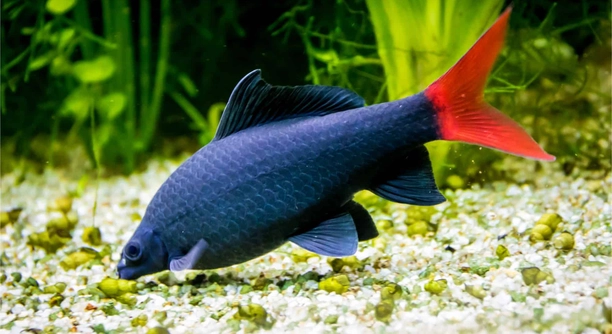
Are your rainbow sharks showing unusual behavior or signs of distress? Maintaining the right water temperature is essential for their health. Understanding how temperature affects your fish can help prevent common problems before they worsen.
Rainbow sharks require a stable, warm environment between 74°F and 81°F. Temperatures below this range can slow their metabolism, weaken their immune system, and lead to signs of cold stress, affecting their overall well-being and activity levels.
Recognizing these signs early will help you maintain a healthier tank and keep your rainbow shark thriving in its environment.
Lethargy and Reduced Movement
When a rainbow shark is too cold, you will notice it becomes less active. It may spend more time resting on the bottom or hiding instead of swimming around. This happens because their metabolism slows down in cooler water, making them tired and less energetic. You might see them struggling to swim or responding slower to feeding times. Sometimes, they stop exploring their tank or interacting with other fish. These changes can seem subtle at first, but over time, they become clear signs that the water temperature is not ideal. Maintaining a warm and stable environment helps keep their energy levels consistent and prevents unnecessary stress.
This lethargy is a clear indicator that the fish is experiencing discomfort from low temperatures and needs attention.
Cold stress can weaken a rainbow shark’s immune system, making it more vulnerable to diseases. It is important to act quickly if you notice lethargy to avoid further complications.
Loss of Appetite
A noticeable drop in appetite is another sign your rainbow shark might be too cold. When the water temperature falls, their digestion slows down, reducing their hunger. You may find your fish ignoring food or eating much less than usual. This behavior can lead to weight loss and weaken their overall condition. Over time, poor nutrition affects their color, strength, and ability to fight off infections. It’s important to monitor feeding habits closely and check water temperatures regularly to ensure your fish stays healthy and active.
Rainbow sharks naturally have a good appetite, so a sudden change should raise concern.
Ensuring the water temperature stays within the optimal range supports healthy digestion and keeps your rainbow shark’s appetite steady. If the appetite loss continues, reviewing other water conditions and tank setup is recommended, but temperature is often the primary factor. Regular tank maintenance and stable heating will encourage your fish to eat well and maintain its vibrant colors.
Clamped Fins
Clamped fins happen when a rainbow shark keeps its fins pressed close to its body. This behavior often signals discomfort or stress, including being too cold. You may notice the fins look smaller or less spread out than usual. This change can affect the fish’s balance and movement.
When water temperature drops, the fish’s metabolism slows, making it harder for them to maintain proper fin position. Clamped fins reduce surface area, helping the fish conserve energy in cooler conditions. However, this also limits their ability to swim freely and interact with the environment. Prolonged clamping can lead to further stress or injury, so adjusting tank temperature is important.
Besides temperature, clamped fins can indicate poor water quality or illness. Regularly check all tank conditions to ensure your rainbow shark is comfortable and healthy.
Color Fading
Color fading is a common sign of cold stress in rainbow sharks. Their vibrant colors become dull or washed out when the temperature drops below ideal levels. This happens because lower temperatures reduce their metabolic rate and pigment production. Over time, this can affect the fish’s overall appearance and vitality.
Faded colors may also signal other issues like poor nutrition or disease, but temperature is often the key factor. Keeping the water warm enough helps maintain bright, healthy coloration. It also supports natural behaviors and boosts the fish’s immune system. Regular monitoring of temperature and tank conditions is necessary to prevent long-term fading.
If you notice color fading, it is important to check the heater and thermostat to ensure they are working properly. Restoring the right temperature can reverse color loss and improve your rainbow shark’s well-being.
Gasping at the Surface
Gasping at the surface can indicate your rainbow shark is struggling to get enough oxygen. Cold water holds more oxygen, but if the fish is stressed from low temperatures, it might still show this behavior.
This action is a sign of distress and should not be ignored. Check the water temperature and quality immediately to help your fish breathe easier.
Erratic Swimming
Erratic swimming is a common reaction when a rainbow shark feels cold. The fish may dart suddenly, swim in circles, or appear uncoordinated. These movements result from muscle stiffness and nervous system slowdown caused by low temperatures.
Cold stress disrupts normal behavior, making your fish vulnerable to injury or exhaustion. Correcting the water temperature often restores calm and steady swimming patterns.
Hiding More Than Usual
When too cold, rainbow sharks tend to hide more often. They seek shelter to conserve energy and avoid stress caused by the low temperature. Frequent hiding is a sign they are uncomfortable with the tank conditions.
FAQ
How cold is too cold for a rainbow shark?
Rainbow sharks thrive best between 74°F and 81°F (23°C to 27°C). Temperatures consistently below 72°F (22°C) can stress the fish and cause health problems. It’s important to keep the tank within the ideal range to maintain their energy and immune function.
What are the immediate signs my rainbow shark is too cold?
Signs include lethargy, loss of appetite, clamped fins, color fading, and gasping at the surface. The fish may also hide more or swim erratically. Observing these symptoms early helps prevent more serious health issues.
How can I quickly raise the water temperature?
Use a reliable aquarium heater with an adjustable thermostat. Slowly increase the temperature by about 1-2°F per day to avoid shocking the fish. Monitor changes closely to keep the environment stable and safe.
Can temperature fluctuations harm my rainbow shark?
Yes. Sudden drops or spikes in temperature can cause stress, weaken the immune system, and increase susceptibility to disease. Maintaining consistent temperature is crucial for long-term health.
What other tank conditions affect temperature-related stress?
Poor water quality, low oxygen levels, and overcrowding add to stress from cold water. Proper filtration, regular water changes, and avoiding overstocking improve overall tank health and help the fish handle temperature changes better.
Is it normal for rainbow sharks to hide often?
They do hide sometimes, but excessive hiding often means discomfort. If your fish is hiding more than usual, check the temperature and water conditions. Prolonged hiding can signal stress or illness.
Can color fading be reversed if the temperature is fixed?
Yes, restoring the proper temperature and maintaining good tank conditions often brings back the vibrant colors. If fading persists, it may indicate other health issues that need attention.
How long does it take for a rainbow shark to recover from cold stress?
Recovery time varies depending on the severity of the stress. Mild cases can improve within days once the temperature is stabilized. Severe or prolonged exposure may require weeks and additional care to fully recover.
Should I change the diet if my rainbow shark is too cold?
A healthy diet remains important, but a cold rainbow shark may eat less. Offer high-quality, easily digestible food in small amounts. Avoid overfeeding as digestion slows down in lower temperatures.
Can cold stress cause permanent damage?
If untreated, yes. Prolonged exposure to cold can damage organs, weaken the immune system, and increase the risk of infections. Acting quickly to correct temperature helps avoid lasting harm.
Are there specific signs that mean it’s time to see a vet?
If your rainbow shark shows severe lethargy, loss of appetite for several days, visible injuries, or signs of infection despite correcting temperature, consult a fish health professional for advice.
Maintaining the right temperature for your rainbow shark is key to its health and happiness. These fish are tropical and need warm, stable water to thrive. When the water gets too cold, they can quickly show signs of stress such as lethargy, loss of appetite, and faded colors. Paying attention to these signs early on allows you to make adjustments before the problem worsens. Using a good quality heater with a reliable thermostat helps keep the water within the safe range, ensuring your rainbow shark stays active and healthy.
It’s important to remember that temperature is just one part of a healthy aquarium setup. Water quality, oxygen levels, and tank size also affect your fish’s well-being. Cold water can make your rainbow shark more vulnerable to disease and infections, so keeping the whole tank environment balanced will support its immune system. Regular water testing, cleaning, and maintenance are necessary alongside temperature control. By taking care of all these factors, you create a stable habitat where your fish can display their natural behaviors and vibrant colors.
Finally, observing your rainbow shark’s behavior daily is one of the best ways to spot early problems. Changes like clamped fins, erratic swimming, or hiding more than usual often mean something is off, usually related to temperature or water conditions. When you catch these signs early, simple steps like adjusting the heater or improving water quality can make a big difference. Keeping your rainbow shark comfortable helps it live longer and enjoy a better quality of life in your aquarium.

Hello,
If you enjoy the content that we create, please consider saying a "Thank You!" by leaving a tip.
Every little bit helps us continue crafting quality advice that supports the health, happiness, and well-being of pets around the world, for pets of all shapes, sizes, and species.
We really appreciate the kindness and support that you show us!