
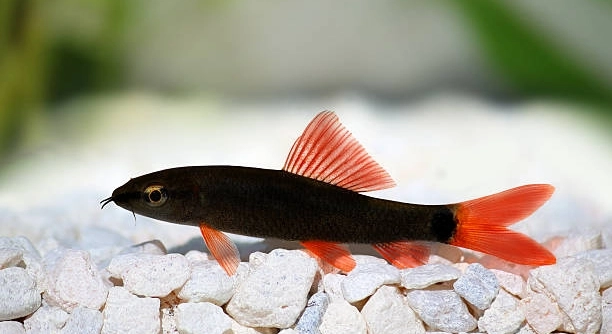
Many aquarium owners enjoy keeping rainbow sharks for their vibrant colors and active nature. These fish need proper care, especially when it comes to feeding. Overfeeding can cause health problems and affect their behavior.
Overfeeding rainbow sharks often leads to digestive issues, obesity, and reduced water quality in their tank. Excess food can stress their systems, making them more prone to illness and reducing their overall lifespan. Monitoring feeding amounts is essential for their well-being.
Recognizing the signs of overfeeding will help keep your rainbow shark healthy and happy. This article outlines key indicators and practical advice for proper feeding habits.
Common Physical Signs of Overfeeding
When a rainbow shark is overfed, its body can show clear signs. One of the most noticeable is a swollen or bloated belly, which happens because their digestive system is overloaded. This can make swimming uncomfortable and slow for the fish. You might also see the fish appearing lethargic or less active than usual, as too much food can weigh them down. In some cases, the fins and scales may look dull or damaged due to poor water quality caused by uneaten food. Over time, overfed fish may develop fatty deposits or abnormal growths, which can be harmful. Keeping an eye on these physical signs helps catch feeding issues early, preventing more serious health problems later.
Overfeeding also leads to excess waste, which can affect tank cleanliness. This can cause cloudy water and increase harmful bacteria levels, stressing your fish even more.
Watching your rainbow shark’s physical changes is an important step in maintaining its health and keeping your aquarium clean.
Behavioral Changes to Watch For
Overfed rainbow sharks often behave differently. They might become less active and spend more time hiding or resting at the bottom of the tank. These fish may also lose their usual curiosity and alertness, seeming dull or uninterested in their surroundings. Overfeeding can cause discomfort or sluggishness, which reduces their normal energetic movements. Sometimes, they may show signs of aggression if food becomes scarce or if other tank mates compete for limited resources. These behavioral shifts can indicate an imbalance in feeding habits that needs attention to avoid long-term health issues.
The change in activity levels and interaction can be subtle but noticeable if you observe your fish regularly.
Keeping a routine watch on behavior helps you adjust feeding amounts and maintain a healthy environment for your rainbow shark, ensuring it remains lively and well.
Impact on Water Quality
Overfeeding produces excess uneaten food that quickly decomposes in the tank. This decomposition raises ammonia and nitrate levels, which are harmful to rainbow sharks. Poor water quality can lead to stress and illness, making the tank unsafe for all inhabitants.
When water quality declines due to overfeeding, the filter must work harder to keep the environment clean. Frequent water changes become necessary to maintain healthy conditions. Excess nutrients promote algae growth, which can further disrupt the tank’s balance. Monitoring feeding amounts and cleaning routines helps prevent these issues. Maintaining good water quality supports your rainbow shark’s health and longevity.
Proper feeding habits reduce waste and keep the tank’s ecosystem stable. This makes it easier to manage your aquarium and helps prevent costly problems from developing later on.
Changes in Appetite
An overfed rainbow shark may lose interest in food and eat less during regular feeding times. This decreased appetite is a sign that the fish’s stomach is already full or uncomfortable. Ignoring this can worsen their health.
A reduced appetite also means the fish might not get the right nutrients needed for growth and energy. Overfeeding leads to poor digestion, which can cause the fish to avoid eating even when food is available. This behavior signals an imbalance in feeding and health. Adjusting portion sizes and feeding frequency can help restore normal appetite and improve well-being. Watching how much your fish eats is essential for keeping them healthy and active.
Visible Weight Gain
Rainbow sharks that are overfed often gain weight quickly. This extra weight puts pressure on their internal organs. It can lead to serious health problems if not managed early.
Weight gain also affects their ability to swim properly. The fish may become slower and less agile, which can reduce their overall quality of life.
Excessive Waste Production
When rainbow sharks are given too much food, they produce more waste. This excess waste can pollute the tank and harm other fish. Managing waste is important to keep the environment safe and healthy.
Reduced Lifespan
Overfeeding negatively impacts a rainbow shark’s lifespan. Constant overfeeding causes stress and weakens the immune system. This makes the fish more vulnerable to diseases, shortening its life.
Monitoring Feeding Habits
Keeping track of how much and how often you feed your rainbow shark helps prevent overfeeding. Regularly observing your fish’s behavior and physical condition ensures it stays healthy.
How often should I feed my rainbow shark?
Feeding your rainbow shark once or twice a day is usually enough. Small, measured portions prevent leftover food and overfeeding. It’s better to give less food and observe their appetite rather than offering too much at once. Consistent feeding times help keep your fish healthy and their digestion steady.
What types of food are best for rainbow sharks?
Rainbow sharks thrive on a varied diet that includes high-quality flakes, pellets, and occasional live or frozen foods like bloodworms or brine shrimp. Including vegetables such as blanched zucchini or peas supports their nutritional needs. Balanced feeding reduces the risk of overfeeding and ensures they get all essential nutrients.
What are the first signs my fish is overfed?
Early signs of overfeeding include a swollen belly, slow swimming, and decreased interest in food during feeding time. You might also notice leftover food accumulating at the tank bottom. These signs suggest you should reduce feeding amounts immediately to avoid health risks.
Can overfeeding cause disease in rainbow sharks?
Yes, overfeeding increases the risk of diseases like constipation, swim bladder disorder, and bacterial infections. Uneaten food decomposes and worsens water quality, which stresses fish and weakens their immune systems. Proper feeding prevents these issues.
How can I fix overfeeding problems in my tank?
Start by cutting back on the amount of food and feeding only what your fish can eat in a few minutes. Increase the frequency of water changes to keep water clean. You can also add tank-cleaning fish or snails to help manage leftover food and waste. Monitoring water parameters is essential.
Is it harmful if my rainbow shark refuses to eat sometimes?
Occasional appetite loss can happen due to stress or changes in the environment. However, if your fish consistently refuses food, it could indicate overfeeding or illness. Check water quality and feeding routines, and adjust accordingly. If refusal continues, consult a vet.
How can I tell if my tank water quality is affected by overfeeding?
Cloudy water, strong odors, and increased algae growth often indicate poor water quality due to excess food and waste. Testing ammonia, nitrate, and nitrite levels regularly helps catch problems early. Clear, clean water supports healthy fish and reduces stress.
Can I train my rainbow shark to eat less?
Fish don’t learn portion control like mammals, but you can regulate feeding by offering controlled amounts at set times. Avoid feeding snacks or extra portions. Consistency and observation help maintain healthy eating habits and prevent overfeeding.
What should I do if my rainbow shark looks bloated?
A bloated belly usually means digestive issues from overfeeding. Reduce food quantity immediately and consider fasting the fish for a day or two. Feeding peas or specialized fish food can help with digestion. If bloating continues, check water quality and consult a professional.
Are there other tankmates that help prevent leftover food?
Certain bottom-dwellers like Corydoras catfish or snails can help clean leftover food. However, these should not be relied on to solve overfeeding problems. Proper feeding management remains the best way to maintain a clean tank and healthy fish.
Can overfeeding affect other fish in the tank?
Yes, uneaten food can degrade water quality and harm all fish in the aquarium. It can cause oxygen depletion and promote harmful bacteria growth. Overfeeding one fish indirectly stresses the entire tank environment, making proper feeding essential for all inhabitants.
How can I balance feeding if I have multiple fish with different needs?
Feed smaller portions more frequently and watch each fish’s eating habits. Use feeding tools like rings or tubes to target specific areas of the tank. Separating fish during feeding times or offering different types of food can help meet their needs without overfeeding.
Overfeeding a rainbow shark is a common mistake that many fish owners make without realizing the harm it causes. Giving too much food can lead to many health problems for the fish, such as digestive issues, weight gain, and a weakened immune system. These problems reduce the fish’s quality of life and can even shorten its lifespan. It is important to provide the right amount of food based on the size and needs of your rainbow shark. Feeding smaller portions and paying attention to how much your fish actually eats will help keep it healthy.
Maintaining good water quality is another key factor in caring for your rainbow shark. Uneaten food breaks down in the water and raises harmful substances like ammonia and nitrates. This can cause stress and illness for your fish, making it harder for them to stay strong. Regular water changes and cleaning your tank are necessary to keep the environment safe. Also, avoid overfeeding by feeding only what your fish can consume within a few minutes. Proper feeding habits and tank maintenance work together to create a healthy home for your rainbow shark.
Watching your fish closely is the best way to prevent problems related to overfeeding. Notice changes in behavior, appetite, and appearance. Early signs of trouble include bloating, slow movement, or leftover food in the tank. Adjust your feeding routine if you see any of these signs. Keeping a balanced diet, monitoring water quality, and feeding responsibly will help your rainbow shark live a long and active life. Taking these steps shows care and respect for your fish’s well-being.

Hello,
If you enjoy the content that we create, please consider saying a "Thank You!" by leaving a tip.
Every little bit helps us continue crafting quality advice that supports the health, happiness, and well-being of pets around the world, for pets of all shapes, sizes, and species.
We really appreciate the kindness and support that you show us!