
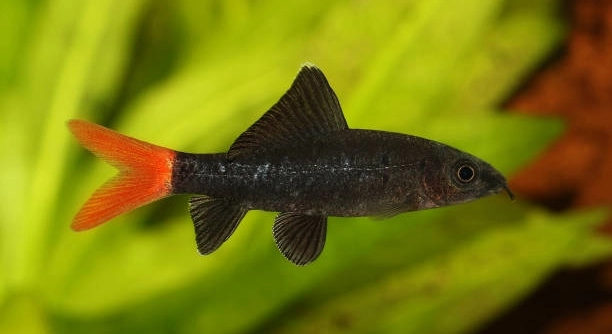
Is your rainbow shark acting differently lately, spending more time alone or hiding more than usual in your aquarium setup?
Rainbow sharks are territorial, but they can still experience loneliness when lacking proper social stimulation or environmental enrichment. Changes in behavior, decreased activity, and hiding may indicate your fish is feeling isolated or stressed.
Knowing what to watch for can help you improve your rainbow shark’s environment and ensure it remains healthy, active, and engaged.
Changes in Activity Levels
When a rainbow shark feels lonely, its behavior often shifts. You might notice it swimming less, hiding more, or staying still at the bottom of the tank. These changes can be easy to overlook, especially if you’re used to a more active fish. A lonely rainbow shark might also stop patrolling its territory or interacting with tank decorations the way it used to. This lack of interest in its surroundings often points to a lack of stimulation. Unlike other fish, rainbow sharks need consistent activity and environmental variety to stay mentally and physically engaged. Without it, they may become withdrawn. Tank layout, lighting, and enrichment options all play a role in how involved your fish remains. It’s important to keep an eye on daily behavior patterns, as a significant drop in energy can signal more than just stress—it may indicate your fish feels isolated in its tank environment.
If your rainbow shark becomes less active, consider rearranging the tank or adding new hiding spots.
Small changes like switching decorations or adjusting lighting can give your fish something new to explore. Sometimes, even slight movement in its environment helps bring out more natural behavior. Make sure the water quality is stable too, since poor conditions can make things worse.
Loss of Appetite
A lonely rainbow shark may begin to show less interest in food. Skipping meals or ignoring favorite treats can be a response to stress or isolation in its tank environment.
Feeding time is usually a high-energy moment for rainbow sharks, so when that shifts, it’s often tied to mood and environment. A lack of stimulation, unsuitable tank mates, or an unchanging routine may cause your fish to retreat and lose interest in eating. Over time, missing meals leads to weight loss and can make the fish more vulnerable to illness. Try varying the diet by rotating between sinking pellets, frozen options, or blanched vegetables, depending on what your fish is used to. You can also introduce feeding enrichment, such as placing food in areas that require a bit of movement to reach. Keep a consistent schedule so the shark knows when to expect food. If this behavior continues, it may help to isolate other potential stressors and rule out illness with a quick water test.
Increased Hiding Behavior
If your rainbow shark is spending more time in caves or corners, it may be a sign of stress or loneliness. Hiding is normal at times, but frequent isolation often means something in the tank environment isn’t meeting the fish’s needs.
Rainbow sharks are naturally territorial, but they also need stimulation to feel secure. When there’s not enough environmental enrichment or when the tank feels too quiet, they may retreat more often. Adding new décor, adjusting lighting, or introducing slow tank mates like snails can encourage your shark to move around more. It’s also important to monitor water quality, as poor conditions can increase stress. Too much open space may also make them feel exposed. Try rearranging the tank to offer more balanced coverage and safe areas. Small layout adjustments can make a noticeable difference in how confident and visible your shark feels throughout the day.
Observe how your rainbow shark reacts after minor tank changes. If it begins swimming more or showing interest in different areas, it’s likely responding well. However, if it continues hiding without signs of improvement, reassess tank conditions like water flow, lighting, and possible disturbances. Every shark reacts differently, and even soft vibrations from equipment can add stress if not placed carefully.
Aggressive Outbursts
Aggression may appear when your rainbow shark feels unsettled or overstimulated. Without enough stimulation or space, it may lash out even without provocation. Sudden flaring, chasing, or nipping can signal loneliness or environmental frustration.
Rainbow sharks are known for being territorial, but their aggression often increases when they lack enrichment or stimulation. When there’s nothing to claim or defend, they sometimes become more reactive. Loneliness can also make them more sensitive to movement around the tank. If the tank is too small or lacks hiding spaces, the shark may become defensive or anxious. Make sure the tank is at least 50 gallons with a layout that includes caves, plants, and gentle water movement. Avoid keeping them with other bottom-dwelling fish, as this can raise stress levels. Giving your shark structured territory helps reduce outbursts and provides a sense of control. Proper tank setup plays a key role in managing aggression and keeping your fish calm.
Decreased Interaction with Tank Mates
If your rainbow shark usually swims near or around other fish but starts ignoring them, it could be a sign of loneliness. Pulling away from its usual behavior often means it’s not feeling secure or mentally stimulated.
Lonely fish may become less responsive, avoiding even peaceful tank mates. This behavior often signals emotional discomfort.
Pale or Faded Color
Color changes can reflect your rainbow shark’s emotional state. A healthy, engaged fish displays deep, rich tones, but loneliness may cause the colors to dull. Faded color often goes hand in hand with stress, reduced appetite, or inactivity. While color can also be influenced by water conditions or diet, persistent dullness—especially with behavioral changes—should not be ignored. Improving the tank’s enrichment, lighting, and social environment can help restore color over time. Provide shaded areas, calm tank mates, and a high-quality varied diet. As your shark becomes more active and secure, you’ll likely see its natural vibrancy return. Monitor for other stress signs to rule out illness.
Change in Sleeping Habits
A lonely rainbow shark may sleep more often or at unusual times. These shifts can point to boredom or emotional stress linked to isolation.
FAQ
Can rainbow sharks live alone?
Yes, rainbow sharks can live alone and often do well that way. In fact, keeping only one per tank is usually recommended to avoid aggression. However, being alone doesn’t always mean they won’t feel isolated. They still need enough stimulation, hiding spots, and a properly sized tank to stay healthy. If the environment lacks variety or is too empty, even a solitary rainbow shark can begin to show signs of stress or boredom. Provide enough enrichment and space to help prevent loneliness and keep your fish active and engaged throughout the day.
What size tank is best for a single rainbow shark?
A single rainbow shark should have at least a 50-gallon tank. This allows enough room for swimming, territory establishment, and natural behaviors. A tank that is too small can make the fish feel stressed, territorial, and even lonely. It’s not just about physical space—the layout should also include caves, plants, and varied surfaces. These features give the shark more control over its environment and reduce feelings of exposure or isolation. A well-structured tank creates a sense of security that helps prevent many behavioral issues linked to loneliness or anxiety.
Can I add tank mates to help with loneliness?
Yes, but it needs to be done carefully. Rainbow sharks are territorial and can be aggressive, especially with other bottom dwellers or similar-looking fish. If you want to try adding companions, choose peaceful, fast-swimming mid-to-top level fish that won’t compete for space. Avoid fish that resemble the shark in size or shape. You can also add non-fish companions like snails or shrimp, depending on your shark’s temperament. Always monitor closely after any additions. While tank mates may reduce boredom, they won’t fix poor tank conditions or lack of enrichment, so address those needs first.
How do I know if my rainbow shark is bored or lonely?
Signs include unusual hiding, reduced activity, aggression, dull color, or ignoring food and tank mates. If your shark is acting differently than usual, observe its surroundings. Is the tank too quiet, plain, or small? Has the lighting changed? Is it getting regular feeding routines? Small adjustments like moving decorations, improving lighting, or adding more visual barriers can help. Keep track of what seems to improve or worsen its behavior. A bored or lonely shark will usually respond to positive changes fairly quickly, showing more curiosity and movement in the tank.
Do rainbow sharks need a lot of attention?
They don’t need human interaction in the same way dogs or cats do, but they are sensitive to their environment. Rainbow sharks benefit from a consistent routine, clean water, and a thoughtfully designed tank. They thrive when their surroundings feel stable and stimulating. They don’t want attention directly, but they do respond to tank changes, movement near the tank, and light cycles. Watching for behavioral changes is a good way to “check in” on how they’re doing. Small interactions, like feeding and rearranging decor occasionally, can make a big difference in their mental engagement.
Can I fix loneliness in a rainbow shark without adding other fish?
Yes, many times the issue can be solved through tank improvement. Try rearranging structures, adjusting the lighting schedule, or offering different types of food. Create natural boundaries with plants or driftwood to encourage exploration. You can also add floating toys or use light-reflecting materials to give them something new to notice. Adding movement—like a bubble wall or slow water flow—can make the environment feel more dynamic. Loneliness often improves when the fish feels secure and mentally occupied. You don’t need to add other fish to give your shark a more stimulating home.
Final Thoughts
Rainbow sharks are unique fish that do well on their own but still need a balanced and engaging environment to stay healthy. While they may not form social bonds like some other species, they can still feel the effects of isolation, stress, or boredom if their surroundings are too quiet or unchanging. A tank that lacks hiding spots, stimulation, or space can lead to behavior changes that often reflect emotional discomfort. If your rainbow shark starts acting differently—hiding more, eating less, or losing color—it might be reacting to something missing in its setup. These signs shouldn’t be ignored, as small issues can build up over time and affect its overall well-being.
Many of the signs of loneliness can also look like signs of poor tank conditions or general stress, which is why it’s important to look at the full picture. Monitor water quality regularly and maintain a stable feeding routine. Add plants, caves, and varied surfaces to give your shark more places to explore. Make sure the tank is large enough and doesn’t feel too bare or too crowded. You don’t always need to add more fish to fix the problem. In many cases, rearranging the space or making small improvements in lighting and décor can help your fish feel more secure and active again. The goal is to support natural behavior without overwhelming the shark or creating competition.
Every rainbow shark is different, and learning what works best for yours may take time. It helps to keep a close eye on behavior and be willing to adjust the environment when needed. These changes do not have to be big. Even something simple, like changing the location of a decoration or trying a new food, can help your fish stay engaged. Loneliness is often the result of a lack of variety or stimulation, and that can be improved with small, thoughtful actions. A calm, enriched space gives your rainbow shark the best chance to thrive on its own terms. By understanding its needs and watching for early signs of discomfort, you can create a tank environment where your fish feels safe, active, and balanced every day.

Hello,
If you enjoy the content that we create, please consider saying a "Thank You!" by leaving a tip.
Every little bit helps us continue crafting quality advice that supports the health, happiness, and well-being of pets around the world, for pets of all shapes, sizes, and species.
We really appreciate the kindness and support that you show us!