
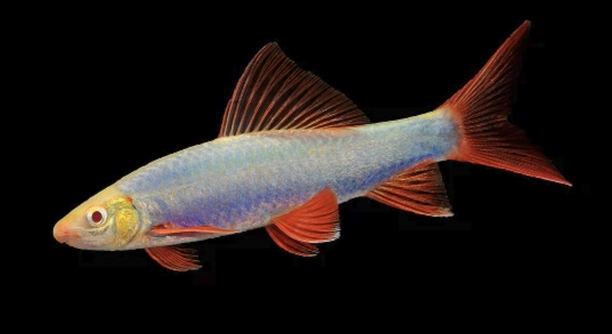
Rainbow Sharks are popular aquarium fish known for their vibrant colors and active nature. Many owners enjoy watching their playful movements but sometimes notice changes in behavior. Aggression can become a concern that affects both the fish and the tank environment.
Signs of aggression in Rainbow Sharks include chasing other fish, fin nipping, territorial displays, and frequent hiding spots. These behaviors indicate stress or dominance struggles, which may require intervention to maintain a peaceful aquarium community.
Recognizing these signs early helps you keep your tank balanced and your Rainbow Shark healthy and happy. Understanding their behavior is key to a calm aquatic home.
Chasing and Chasing
When a Rainbow Shark starts chasing other fish relentlessly, it’s a clear sign of aggression. This behavior usually happens when the shark feels its territory is being invaded or if it’s competing for food. Chasing can stress out other fish, causing them to hide or become sick. Sometimes, this aggression increases when the tank is too small or overcrowded, giving the shark little space to swim peacefully. It’s important to notice how often the chasing happens and whether it causes harm to other fish. If chasing gets worse, it could lead to injuries or constant stress in the tank. Adjusting the tank size, adding more hiding spots, or separating aggressive fish can help calm the situation. Keeping the water clean and well-maintained also reduces stress, making your Rainbow Shark less likely to act out. Observing these patterns closely is key to a healthy aquarium.
Chasing is usually about territory or food competition. It’s important to manage tank space and population to reduce this behavior.
Adding plants, decorations, or extra hiding places gives all fish room to retreat, which lowers tension. Also, feeding smaller meals more frequently can keep hunger-related chasing under control. If aggression persists despite these efforts, consider separating the aggressive fish temporarily. Monitoring water quality is essential because poor conditions increase stress and aggression. The goal is to create a balanced environment where your Rainbow Shark feels secure without needing to chase others constantly. Taking these steps supports peace and wellbeing for all your aquatic pets.
Fin Nipping and Damage
Fin nipping happens when a Rainbow Shark bites the fins of other fish. This behavior may start as minor but can lead to serious injury or infection if not addressed. Fin damage stresses fish and lowers their immunity, making them prone to disease. This behavior is often linked to overcrowding or insufficient hiding places in the tank. Sometimes, the shark bites to assert dominance or because it feels threatened. Keeping an eye on the tank’s population and ensuring the Rainbow Shark has enough space can reduce fin nipping. If you notice fin damage, improving tank conditions and separating affected fish may be necessary. Clean water and proper diet also help fish heal faster and stay strong. Addressing fin nipping early prevents bigger problems in the aquarium.
Territorial Displays
Rainbow Sharks show territorial behavior by patrolling the same areas repeatedly. This can make other fish feel uneasy and avoid those spots. These displays help the shark mark its space and warn others to stay away, which is common in smaller or crowded tanks.
Territorial behavior can lead to increased aggression if the tank size does not provide enough space for all fish. When the shark feels confined, it will defend its chosen area more aggressively, sometimes chasing or nipping other fish. Adding decorations or plants to break up open spaces can help reduce this behavior by giving fish more places to explore and hide. In larger tanks, territorial disputes usually decrease because each fish can claim its own area without constant confrontation.
If the territorial displays escalate, it’s often a sign the tank environment needs adjustment. Providing enough room and visual barriers reduces stress and aggressive behaviors. Sometimes, rearranging the tank’s layout can disrupt established territories, encouraging more peaceful coexistence.
Frequent Hiding Spots
Excessive hiding can be a sign your Rainbow Shark feels threatened or stressed. While these fish like some shelter, hiding too much often means aggression or discomfort is present in the tank.
Hiding is a natural way for fish to avoid conflict or rest when feeling unsafe. When a Rainbow Shark hides frequently, it may be trying to escape more dominant fish or stressful conditions. Poor water quality, overcrowding, or aggressive tank mates can increase this behavior. Monitoring water parameters and tank population helps identify causes. Creating plenty of hiding places with rocks, plants, or decorations gives your shark safe spots without forcing it to stay hidden all the time.
If hiding continues excessively, review tank conditions and consider separating aggressive fish. Ensuring your Rainbow Shark feels secure and relaxed promotes better health and reduces stress-related hiding habits.
Increased Splashing or Darting
Splashing or darting around the tank can be a sign of agitation or aggression in Rainbow Sharks. This sudden movement often indicates the fish feels threatened or stressed by other tank mates or changes in its environment.
Such behavior may also result from competition over territory or food. It’s important to observe if the darting is directed toward other fish, which signals aggression, or if it’s due to external factors like loud noises or sudden light changes.
Damage to Decorations or Plants
Aggressive Rainbow Sharks sometimes damage plants and decorations by biting or knocking them over. This behavior reflects their restless and territorial nature and can disrupt the tank’s balance.
Monitoring the tank setup and reinforcing decorations can help reduce damage. Providing adequate hiding spots and enough space also keeps your fish calmer, preserving both the environment and the peace in your aquarium.
Changes in Appetite
A sudden change in your Rainbow Shark’s appetite, especially a decrease, can signal stress or illness often linked to aggression or poor tank conditions.
Increased Breathing Rate
If your Rainbow Shark’s breathing becomes faster or labored, it may be stressed or sick, often a result of aggressive encounters or poor water quality. Monitoring water parameters is crucial to maintaining fish health.
FAQ
What causes Rainbow Sharks to become aggressive?
Rainbow Sharks often become aggressive due to territorial instincts, overcrowding, or lack of hiding places. Stress from poor water quality or competition for food can also increase aggressive behavior. These fish naturally defend their space, so small tanks or too many fish can trigger more fights.
How can I reduce aggression in my Rainbow Shark?
Increasing tank size and adding plants or decorations to create hiding spots helps reduce aggression. Feeding smaller amounts more frequently can also ease food competition. Keeping the tank clean and monitoring water quality lowers stress, making your Rainbow Shark calmer.
Is it normal for Rainbow Sharks to chase other fish?
Some chasing is normal because Rainbow Sharks are territorial. However, constant chasing that harms other fish is a problem. This behavior usually signals stress or an overcrowded tank and should be addressed by adjusting tank conditions.
What should I do if my Rainbow Shark is fin nipping?
Fin nipping can injure tank mates and cause stress. To stop this, provide more space, increase hiding places, and ensure good water quality. If the problem persists, separating the aggressive fish temporarily might be necessary.
Can aggression harm my other fish?
Yes, aggression can lead to injuries, stress, and illness in other fish. Continuous chasing or fin nipping lowers their immunity, making them vulnerable to disease. It’s important to control aggression early to protect all your tank inhabitants.
How do I know if aggression is due to tank size?
If your tank is smaller than 30 gallons and has multiple active fish, aggression is likely due to limited space. Watching how often fish chase or hide can help identify this issue. Bigger tanks give each fish room to claim territory, reducing fights.
Can changing the tank layout help with aggression?
Yes, rearranging plants, rocks, and decorations breaks up established territories and can reduce aggression. This change makes it harder for your Rainbow Shark to defend one area, promoting more peaceful interaction.
Does diet affect aggression in Rainbow Sharks?
A poor diet or irregular feeding can increase competition and aggressive behavior. Providing balanced, frequent meals reduces hunger-driven fights and keeps your fish healthier overall.
Should I separate aggressive Rainbow Sharks?
If aggression causes serious injury or stress to other fish, separating the aggressive Rainbow Shark may be necessary. Use a separate tank or divider until behavior improves, then try reintroducing slowly.
How often should I clean my tank to prevent aggression?
Regular cleaning every one to two weeks helps maintain water quality, reducing stress and aggression. Poor water conditions make fish more irritable, so consistent maintenance supports a peaceful aquarium.
Can aggression be a sign of illness?
Sometimes, yes. Sick or stressed Rainbow Sharks may act more aggressively or hide excessively. Monitoring their health and water parameters can help catch problems early.
What are safe tank mates for Rainbow Sharks?
Peaceful, similarly sized fish that don’t compete for the same territory usually do well with Rainbow Sharks. Avoid small, slow, or long-finned fish that may become targets of aggression.
How long does aggression last in Rainbow Sharks?
Aggression may lessen over time as fish establish territories and get used to each other. However, ongoing problems usually mean the tank conditions need improvement.
Is it normal for Rainbow Sharks to hide a lot?
Some hiding is normal, but excessive hiding often signals stress or aggression in the tank. Ensure your shark feels safe by providing enough space and shelter without overcrowding.
Can water temperature affect aggression?
Yes, water that’s too warm or fluctuates frequently can increase stress and aggression. Keeping stable, appropriate temperatures helps maintain calm behavior.
Final Thoughts
Rainbow Sharks are beautiful and active fish that bring life to any aquarium. However, their natural territorial instincts can sometimes lead to aggressive behavior. Recognizing the signs of aggression early is important to keep your tank peaceful and your fish healthy. Watching for behaviors like chasing, fin nipping, and excessive hiding helps you understand when your Rainbow Shark might be stressed or feeling threatened. By paying attention to these signals, you can make timely changes to the tank environment to reduce conflict and promote harmony among your aquatic pets.
Maintaining a proper tank setup is key to managing aggression. A spacious tank with plenty of hiding places allows each fish to establish its own territory without constant fighting. Adding plants, rocks, and decorations can break up open areas and give your Rainbow Shark safe spaces to retreat. Regular cleaning and monitoring water quality also reduce stress, which often triggers aggressive behavior. Feeding your fish balanced meals more frequently helps lower food competition and keeps your Rainbow Shark calmer. Small changes in how you care for your tank can have a big impact on your fish’s behavior and wellbeing.
Aggression in Rainbow Sharks does not have to be a permanent problem. Many fish settle down once they feel secure and their environment supports their needs. If aggressive behavior continues despite changes, separating the aggressive fish temporarily may be necessary. Always observe your fish closely and adjust your tank conditions when needed. Creating a balanced and comfortable home for your Rainbow Shark helps ensure a healthy, peaceful aquarium where all fish can thrive. With patience and care, you can enjoy the beauty of these lively fish without the stress of constant aggression.

Hello,
If you enjoy the content that we create, please consider saying a "Thank You!" by leaving a tip.
Every little bit helps us continue crafting quality advice that supports the health, happiness, and well-being of pets around the world, for pets of all shapes, sizes, and species.
We really appreciate the kindness and support that you show us!