
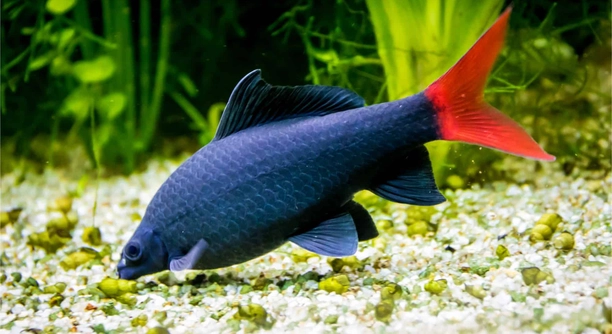
Are your rainbow sharks showing signs of stress or aggression in their tank? Many fish owners face challenges when their rainbow sharks do not get along with other tankmates. Recognizing the signs early can help maintain a peaceful aquarium environment.
Rainbow sharks often display unhappiness through increased aggression, hiding, loss of color, fin damage, erratic swimming, refusal to eat, and territorial behavior. These signs indicate stress or conflict with other fish in the tank, requiring prompt attention to prevent harm.
Understanding these signs will help you create a balanced and healthy environment for your rainbow shark and its companions. This article highlights key indicators to watch for in your aquarium.
Aggression and Territorial Behavior
Rainbow sharks can become very aggressive when they feel threatened by their tankmates. They often chase or nip at other fish to defend their space. This behavior is more common if the tank is too small or if there are too many fish. Aggression can also increase during feeding times or when new fish are introduced. When your rainbow shark shows constant chasing or biting, it is a clear sign of stress. Sometimes they flare their fins or swim rapidly to intimidate others. This can cause injuries to other fish and disrupt the tank’s harmony. If this happens often, it is important to check the tank size and make sure there are hiding spots for all fish. Providing enough space and proper decorations can reduce aggressive behavior and help your rainbow shark feel more secure.
Aggression often indicates a need for more space or better tank setup. Addressing these can improve fish interactions quickly.
Keeping peace in your aquarium means recognizing when your rainbow shark feels its space is invaded. Aggressive behavior often starts when the tank is crowded or when fish have no places to hide. Rainbow sharks prefer to claim their own territory, so a small or empty tank can cause stress. Introducing new fish without proper acclimation may also trigger fights. Using plants, rocks, and caves creates hiding spots that reduce tension. Observing how your fish interact will tell you if the tankmates are compatible or if changes are needed. Adjusting the environment to fit the needs of all fish helps maintain balance and reduces conflict.
Changes in Appearance and Behavior
Loss of color and damaged fins are common signs your rainbow shark is unhappy. These changes often occur due to stress or fights with other fish. When stressed, rainbow sharks may also stop eating or hide more than usual.
If your rainbow shark looks dull or has torn fins, stress is likely affecting its health.
Stress can weaken the immune system, making your fish more prone to illness. When rainbow sharks lose their bright colors, it signals discomfort or poor water conditions. Fin damage usually results from biting during fights, which can lead to infections if untreated. Changes in behavior, such as lethargy or hiding, suggest the fish is avoiding tankmates. Monitoring water quality and providing a calm environment with suitable companions are essential. Keeping water clean and stable reduces stress, while peaceful tankmates help your rainbow shark thrive. Regular observation allows early detection of problems and ensures your fish stay healthy and comfortable.
Erratic Swimming Patterns
Erratic swimming is a common sign your rainbow shark feels unsettled in its environment. Sudden darting, swimming in circles, or rubbing against objects usually indicate stress or discomfort. These behaviors often result from poor tank conditions or incompatible tankmates.
Erratic swimming can be caused by stress due to overcrowding or aggression from other fish. When a rainbow shark constantly darts around or bumps into decorations, it shows it is uneasy. Poor water quality, such as incorrect pH or high ammonia levels, can also make the fish restless. Additionally, a lack of hiding places or proper tank structure may lead to this behavior. Observing these signs early helps prevent further health issues.
Sometimes, erratic swimming may be a symptom of illness, such as parasites or infections. If your rainbow shark shows these behaviors along with loss of appetite or discoloration, testing water parameters and seeking advice is important. Improving the tank environment and ensuring compatible tankmates will reduce stress and promote calmer behavior.
Hiding and Withdrawal
Hiding more than usual is a clear sign your rainbow shark is unhappy with its tankmates. When it spends too much time out of sight, it may feel threatened or stressed by other fish nearby.
Withdrawal often happens when tankmates are too aggressive or dominant. Rainbow sharks are territorial but also need safe spaces to retreat. If the tank lacks sufficient hiding spots, your fish may feel exposed and vulnerable. Constant chasing or nipping can push the shark into hiding, which can affect its health if prolonged. Providing caves, plants, and decorations creates shelter where your fish can feel secure. A calm environment with balanced tankmates encourages more natural and confident behavior from your rainbow shark. Monitoring interactions helps you know when changes are needed to improve your fish’s comfort.
Refusal to Eat
When a rainbow shark stops eating, it often signals stress or discomfort caused by its tankmates. This behavior can quickly affect the fish’s health if not addressed.
Refusal to eat may also indicate poor water conditions or illness. It’s important to check both the environment and fish interactions.
Fin Damage
Fin damage usually happens from repeated aggression or rough tankmates. Torn or frayed fins show your rainbow shark is not safe in its current setup.
Regularly inspect your fish for signs of fin damage. Treating injuries early and improving tank conditions can help your rainbow shark recover and avoid further stress.
Restlessness at Night
If your rainbow shark is restless or active at night, it could be due to stress from its tankmates or the tank environment. This unusual behavior often means the fish feels unsafe or disturbed.
Providing a calm and stable tank environment encourages normal resting patterns, helping your rainbow shark feel secure and healthy.
FAQ
What causes aggression in rainbow sharks?
Aggression in rainbow sharks is often caused by territorial instincts and competition for space. They tend to claim parts of the tank as their own and defend these areas aggressively. Overcrowding or a tank that is too small can make this worse. Introducing new fish without proper acclimation or mixing incompatible species also triggers aggression. Providing enough space and hiding spots can reduce fighting and help rainbow sharks feel more comfortable.
How can I tell if my rainbow shark is stressed?
Signs of stress in rainbow sharks include hiding frequently, loss of color, damaged fins, erratic swimming, and refusal to eat. Stress may also cause the fish to become restless at night or show increased aggression. Monitoring your fish’s behavior and appearance regularly helps you catch these signs early. Keeping water quality stable and tankmates peaceful plays a big role in preventing stress.
What tankmates are best for rainbow sharks?
Peaceful, fast-swimming fish that don’t compete for the same territory work best with rainbow sharks. Good tankmates include tetras, danios, and other medium-sized schooling fish. Avoid slow-moving or long-finned fish, as they may become targets. Also, avoid other territorial bottom dwellers to reduce conflicts. Proper research on compatibility and tank size helps keep your aquarium balanced.
Why is my rainbow shark hiding all the time?
Hiding is usually a response to feeling threatened by aggressive tankmates or an unsafe environment. If there aren’t enough hiding spots, the fish will feel exposed and stressed. Frequent hiding can also mean illness or poor water conditions. Adding plants, caves, or decorations provides safe places, helping your rainbow shark feel more secure and less withdrawn.
How do I improve my rainbow shark’s tank environment?
Start by making sure the tank is large enough—at least 55 gallons is recommended for rainbow sharks. Add plenty of hiding places using rocks, plants, and decorations. Keep water clean and parameters stable by doing regular tests and water changes. Choose compatible tankmates and avoid overcrowding. A well-maintained tank reduces stress and encourages natural behavior.
What should I do if my rainbow shark refuses to eat?
Refusal to eat can be a sign of stress, poor water quality, or illness. Check water parameters like ammonia, nitrite, and pH immediately. Improve water conditions if needed and observe for other symptoms. Offering a variety of high-quality foods can stimulate appetite. If the problem continues, consulting a vet or experienced aquarist may be necessary.
Can poor water quality affect my rainbow shark’s behavior?
Yes, poor water quality is a major cause of stress and unhealthy behavior in rainbow sharks. High ammonia, nitrite, or nitrate levels can irritate the fish, causing lethargy, fin damage, or erratic swimming. Regular water tests, proper filtration, and frequent water changes keep the tank safe and promote your fish’s wellbeing.
How often should I check on my rainbow shark’s health?
It’s best to observe your rainbow shark daily for any changes in behavior or appearance. Weekly water tests help ensure the environment stays healthy. Catching issues early, like fin damage or stress signs, allows you to take action before problems worsen. Consistent care is key to keeping your fish happy.
Are there signs that indicate my rainbow shark is sick?
Yes, signs of illness include faded color, torn fins, swollen belly, difficulty swimming, and loss of appetite. These symptoms often come with stress or poor water conditions. If you notice these signs, test water quality and consider treatment options. Quarantining sick fish can prevent disease spread.
What do I do if my rainbow shark and tankmates don’t get along?
If conflicts persist, consider rearranging the tank to break up territories. Adding more hiding spots can help. In severe cases, rehoming either the rainbow shark or aggressive tankmates may be necessary. Prioritize a peaceful environment for all fish to thrive.
Rainbow sharks are beautiful and active fish that can bring life to any aquarium. However, they require careful attention when it comes to their tankmates and environment. Observing your rainbow shark’s behavior and appearance regularly is important to know if it is happy or stressed. Signs like aggression, hiding, loss of color, or refusal to eat should not be ignored. These indicators tell you that something in the tank needs to be adjusted to make your fish feel more comfortable. Ensuring a peaceful community in your aquarium helps your rainbow shark live a healthier and longer life.
Maintaining good water quality and providing enough space are essential parts of caring for rainbow sharks. They need a tank that is large enough to swim freely and claim territory without constant competition. Adding hiding places like plants, caves, or rocks gives the fish safe spots to retreat when they feel threatened. It is also important to choose tankmates that are compatible and not aggressive or too slow. Paying attention to these details will reduce stress and minimize fights in your aquarium. When the tank is balanced and stable, your rainbow shark can show its natural colors and behaviors.
Caring for a rainbow shark means being patient and observant. Sometimes changes in behavior or appearance happen slowly, so regular monitoring is key. If problems arise, taking action quickly by improving tank conditions or adjusting tankmates can prevent bigger issues. Remember that every aquarium is unique, and what works for one may need tweaking for another. By learning to recognize the signs of an unhappy rainbow shark and making small changes, you create a better home for your fish. This effort leads to a peaceful and healthy tank where all fish can thrive together.

Hello,
If you enjoy the content that we create, please consider saying a "Thank You!" by leaving a tip.
Every little bit helps us continue crafting quality advice that supports the health, happiness, and well-being of pets around the world, for pets of all shapes, sizes, and species.
We really appreciate the kindness and support that you show us!