
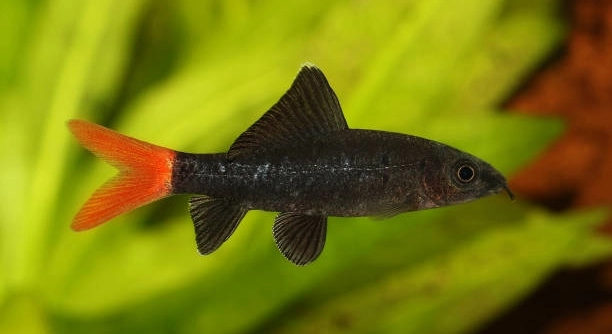
Rainbow sharks are popular aquarium fish known for their striking colors and active nature. Many people enjoy watching them swim around, but sometimes these fish show signs they are not comfortable in their tank. Recognizing these signs early helps keep them healthy and happy.
Rainbow sharks that are uncomfortable often exhibit unusual behaviors such as hiding excessively, reduced activity, fin damage, or erratic swimming. Poor water quality, overcrowding, or an improper environment typically cause this stress and discomfort. Monitoring these signs can prevent health issues.
Learning to spot these signs will help you improve your rainbow shark’s tank environment and overall well-being. Understanding their needs is key to providing a suitable home.
Excessive Hiding and Lack of Activity
Rainbow sharks are naturally active fish that like to swim around the tank during the day. If your rainbow shark is hiding more than usual or stays still in one corner, it may be a sign of stress. Hiding often means the fish feels unsafe or uncomfortable. This behavior could be caused by poor water quality, sudden changes in the environment, or aggressive tank mates. Sometimes, a new tank setup or overcrowding makes them retreat and stop exploring. Watching your fish’s daily routine helps you notice any changes early on. When they hide too much, they may stop eating or become weak, which affects their health. It is important to check water parameters and tank conditions to reduce their stress. Adding plants or decorations that provide natural hiding spots might help but shouldn’t replace a healthy tank environment.
Hiding and inactivity are clear signals your rainbow shark needs a better habitat to thrive.
Providing enough space and stable conditions encourages your rainbow shark to swim freely and remain healthy.
Fin Damage and Erratic Swimming
Fin damage can appear as torn, ragged, or discolored fins. This usually happens when the fish is stressed or injured. Poor water quality and aggressive tank mates can cause this damage. Fin rot, a bacterial infection, may develop if the problem is not fixed quickly. Erratic swimming, such as darting around or crashing into tank objects, also shows distress. These behaviors often mean the tank is not comfortable or safe. Checking water parameters like pH, ammonia, and nitrate levels regularly is important. Avoid overcrowding the tank and choose peaceful tank mates to reduce stress. Proper nutrition helps the fish recover faster from any damage. Sometimes adding aquarium salt or medication can help with fin rot, but preventing these issues by maintaining a clean and calm environment is best.
Addressing fin damage and erratic swimming early protects your rainbow shark’s health and improves its comfort.
Loss of Appetite
When a rainbow shark stops eating or shows less interest in food, it often indicates discomfort or illness. This change can happen gradually and is a warning sign not to ignore.
Loss of appetite usually relates to stress or poor tank conditions. Water quality issues such as high ammonia or nitrite levels can affect the fish’s health, making it reluctant to eat. Illness or parasites might also reduce their desire for food. Sometimes, changes in the environment like new tank mates or rearranged decorations cause stress that leads to appetite loss. Observing feeding habits daily helps detect problems early. Providing a varied and nutritious diet encourages eating, but fixing the tank environment is key to recovery.
Ignoring a rainbow shark’s loss of appetite can lead to weakened immune systems and further health complications. Prompt action improves chances of full recovery and comfort in the tank.
Unusual Color Changes
Color changes in a rainbow shark may mean the fish is under stress or unhealthy. Faded or dull colors often signal discomfort or poor water quality.
When water conditions worsen or the fish is stressed, its bright colors can fade or become patchy. Illness or parasites can also cause unusual discoloration. Overcrowding and aggressive tank mates increase stress, which impacts color vibrancy. Consistent water testing and maintenance help maintain healthy colors. Sometimes, a rainbow shark’s colors change slightly due to natural aging, but sudden or drastic changes should be checked. Providing a calm environment and balanced diet supports the fish’s natural colors and overall health.
Noticing color changes early can help you address issues before they become severe. A healthy tank supports the vibrant look your rainbow shark is known for.
Erratic Swimming Patterns
Erratic swimming, like sudden bursts or aimless drifting, often signals stress or poor water conditions. It may also result from illness or injuries.
Such behavior usually means the rainbow shark feels unsafe or uncomfortable. Checking tank parameters and observing for signs of aggression can help identify the cause.
Excessive Surface Gasping
When a rainbow shark stays near the surface gasping for air, it often indicates low oxygen levels in the tank.
This behavior suggests poor water quality or overcrowding. Increasing aeration and improving filtration can help restore proper oxygen levels, allowing the fish to breathe comfortably and feel more at ease.
Aggressive Behavior
Aggression in rainbow sharks can arise from stress or an unsuitable tank environment.
Aggressive behavior may be directed toward tank mates or result in constant chasing and fighting. This usually means the tank is overcrowded or lacks sufficient hiding spots. Ensuring proper space and adding plants or decorations helps reduce aggression and promotes a calmer environment for all fish.
Clamped Fins
Clamped fins, where the fins stay close to the body, are a sign of discomfort or illness.
This posture often indicates stress, poor water quality, or disease. Addressing tank conditions and monitoring the fish’s health is important to help it recover.
FAQ
How often should I check my rainbow shark’s tank conditions?
It’s best to test water parameters like ammonia, nitrite, nitrate, and pH at least once a week. Regular checks help catch problems early before they affect your fish’s health. Using a reliable test kit and keeping a log can make monitoring easier and more consistent.
What water temperature is ideal for a rainbow shark?
Rainbow sharks thrive in water temperatures between 74°F and 80°F (23°C to 27°C). Keeping the tank within this range helps them stay active and healthy. Sudden temperature changes can stress them, so a stable heater is important.
Can tank size affect my rainbow shark’s comfort?
Yes, tank size matters a lot. Rainbow sharks need at least 30 gallons because they are active swimmers. Smaller tanks can cause stress, aggression, and poor water quality. More space means better swimming room and less conflict.
What tank mates are suitable for rainbow sharks?
Peaceful but fast fish like danios, barbs, and larger tetras usually work well. Avoid slow, small, or long-finned fish that might get bullied. Aggressive or territorial species can stress your rainbow shark and cause problems.
Why does my rainbow shark hide all the time?
Hiding often means the fish feels threatened or stressed. This can happen if tank conditions are poor, the tank is overcrowded, or aggressive tank mates bother it. Make sure there are enough hiding spots and the environment is calm.
How do I treat fin damage on my rainbow shark?
Start by improving water quality and removing any aggressive fish. You can use aquarium salt or medication to treat infections like fin rot. Keeping the tank clean and providing good nutrition helps the fins heal faster.
What should I feed my rainbow shark?
A balanced diet includes high-quality flakes or pellets, supplemented with live or frozen foods like bloodworms or brine shrimp. Variety keeps them healthy and encourages natural foraging behavior. Feeding small amounts twice a day is best.
Why is my rainbow shark swimming erratically?
Erratic swimming usually means stress, poor water quality, or illness. It could be caused by sudden changes in the tank or aggressive neighbors. Check water parameters and observe for injuries or parasites. Adjusting the environment often calms the fish down.
How can I reduce aggression in my tank?
Avoid overcrowding and choose compatible tank mates. Provide plenty of hiding spots and decorations to break lines of sight. Keeping the water clean and stable also reduces stress, which can lower aggression. Sometimes rearranging the tank helps reset territorial behavior.
What are the signs of illness in rainbow sharks?
Look for faded colors, clamped fins, loss of appetite, rapid breathing, or unusual swimming. Physical signs like white spots, sores, or ragged fins also indicate health problems. Early detection is important to prevent serious issues.
Can stress cause color changes in rainbow sharks?
Yes, stress often leads to dull or faded colors. Poor water quality, aggressive tank mates, or sudden environment changes can cause this. Maintaining a stable and comfortable habitat helps your fish keep its bright colors.
How important is tank maintenance for rainbow sharks?
Tank maintenance is crucial. Regular water changes, cleaning the filter, and removing waste keep the environment healthy. Neglecting maintenance leads to toxic water, stress, and disease. A clean tank supports your fish’s overall well-being.
What should I do if my rainbow shark refuses to eat?
Check water quality and tank conditions first. Stress or illness often causes appetite loss. Offer varied foods and avoid overfeeding. If the problem continues, consider consulting a vet or experienced aquarist for advice.
Is it normal for rainbow sharks to be shy?
They can be shy when first introduced or if stressed. However, they should become more active as they get comfortable. Constant hiding or lack of activity means something is wrong and should be addressed.
Can lighting affect my rainbow shark’s behavior?
Yes, strong or constant lighting may stress the fish. Providing a natural day-night cycle with some shaded areas helps them feel secure. Using dimmers or adjustable lights can improve their comfort in the tank.
Taking care of a rainbow shark means paying close attention to how it behaves and looks in the tank. These fish can show many signs when they are not comfortable, like hiding too much, losing appetite, or swimming erratically. It’s important to notice these signs early because they often point to problems in the tank environment or health issues. Making sure the water is clean, the temperature is right, and the tank is not overcrowded will help your rainbow shark feel safe and happy. Small changes, like adding hiding spots or choosing the right tank mates, can make a big difference in reducing stress for your fish.
Maintaining good water quality is one of the most important parts of keeping your rainbow shark healthy. Regular testing for ammonia, nitrite, nitrate, and pH helps you keep the water safe for your fish. Poor water quality causes many common problems, such as fin damage, color fading, and unusual behavior. Doing weekly water changes and cleaning the tank equipment can prevent these issues from developing. Also, feeding your rainbow shark a balanced diet with some variety supports its health and helps it recover faster if it feels unwell. Watching your fish’s daily habits closely lets you catch problems before they become serious.
Rainbow sharks are beautiful and active fish that bring life to an aquarium when cared for properly. Their comfort depends on a stable and well-maintained environment. If you see signs like hiding, fin damage, or unusual swimming, it is a signal to check your tank and make necessary improvements. With some attention and care, you can provide a home where your rainbow shark thrives. Understanding their needs and responding quickly to signs of discomfort will help ensure your fish stays healthy and vibrant for a long time.

Hello,
If you enjoy the content that we create, please consider saying a "Thank You!" by leaving a tip.
Every little bit helps us continue crafting quality advice that supports the health, happiness, and well-being of pets around the world, for pets of all shapes, sizes, and species.
We really appreciate the kindness and support that you show us!