
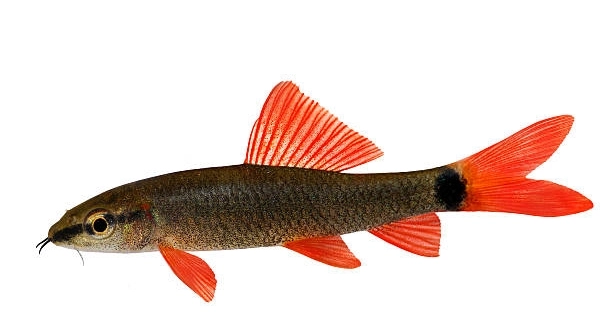
Is your rainbow shark acting stressed, hiding more than usual, or showing signs of aggression around other fish in the tank?
Rainbow sharks often suffer when paired with incompatible tank mates. Signs include hiding, faded colors, torn fins, decreased appetite, and heightened aggression. These symptoms suggest territorial stress and conflict, which can harm their overall well-being.
Noticing these behaviors early is important, as it can help you prevent long-term issues and improve your rainbow shark’s health and comfort.
Constant Hiding and Avoidance
Rainbow sharks are naturally territorial but usually active swimmers. If yours spends most of its time hiding behind decorations, rocks, or in corners, it could be stressed by tank mates. This behavior often signals that the shark feels unsafe or threatened in its space. In a tank with aggressive or overly active fish, a rainbow shark may retreat constantly to avoid confrontation. This stress affects its immune system and overall behavior. Some hiding is normal, especially for new additions to a tank, but extended periods of avoidance are not. Tank mates like tiger barbs, cichlids, or other bottom dwellers can make a rainbow shark uncomfortable, especially if they invade its territory or provoke aggression. Watch for changes in activity levels and look for injuries like torn fins or missing scales. A calm, predictable environment with enough space helps reduce this behavior and keeps your fish comfortable in its habitat.
Hiding becomes a warning sign when it’s frequent and paired with other stress behaviors like not eating or erratic swimming.
Creating separate zones in the tank with driftwood or caves allows your rainbow shark to claim space. If tank mates are too active or constantly chase it, this layout helps provide shelter. Use gentle lighting to reduce stress and allow your fish to feel secure. When your shark has time and space to recover, it may gradually return to swimming more openly. Watch your tank dynamics closely, especially during feeding time, to see how your rainbow shark interacts with others. If it avoids the surface or hides at the bottom while others eat, that’s another sign it’s not feeling safe.
Loss of Appetite and Weight
Rainbow sharks can stop eating when stressed by aggressive or fast-moving tank mates. You may notice uneaten food or visible weight loss.
When a rainbow shark is consistently outcompeted during feeding, it starts to withdraw from meals. Quick or aggressive feeders often dominate the tank, leaving timid fish behind. A stressed shark might ignore food altogether, even if it once ate enthusiastically. This behavior leads to weight loss and weakens the immune system, increasing the chance of illness. Check whether your rainbow shark is actually reaching the food during feeding sessions. If it stays at the bottom or in hiding while others eat, it’s a sign of conflict. Try feeding in multiple spots or at different times to give your rainbow shark a better chance. Use slow-sinking pellets and watch how your tank mates react during feeding time. Removing overly aggressive fish or changing the feeding method can help reduce stress and encourage better eating habits for your rainbow shark.
Faded Colors and Dull Appearance
Rainbow sharks usually have rich, bold colors. When stressed, their colors can fade, making them appear pale or washed out. This often happens when they are being bullied or constantly chased by other fish in the tank.
Color loss is one of the earliest physical signs of distress in rainbow sharks. Incompatible tank mates can cause ongoing stress that affects the shark’s appearance. A calm and well-structured tank usually helps bring the color back over time. Avoid placing them with fin-nipping or highly territorial fish, as this adds unnecessary pressure. Sudden changes in tank dynamics—such as adding new fish or rearranging decorations—can also lead to faded colors. Maintaining water quality, reducing stress, and choosing peaceful tank mates will help your rainbow shark regain its natural shine. Observe them daily to catch early signs before the issue worsens. Subtle changes in appearance are easy to miss if you’re not paying close attention.
In some cases, faded colors can also point to poor water conditions. Check ammonia, nitrite, and nitrate levels regularly to ensure nothing is causing additional stress. Avoid overstocking the tank, as too many fish will reduce oxygen levels and increase waste. Rainbow sharks do best in tanks where they feel in control of their territory. If they’re forced to share space with overly active fish or those that crowd the lower levels, it can trigger both stress and illness. A stressed fish is more vulnerable to infections and may not recover easily. Clear water, proper space, and compatible neighbors all contribute to keeping your rainbow shark healthy and bright.
Aggression Toward Other Fish
Rainbow sharks may become aggressive when they feel cornered, stressed, or constantly provoked by tank mates. This aggression isn’t always about dominance—it can also come from fear or discomfort.
If your rainbow shark suddenly starts chasing or nipping at other fish, it could be reacting to ongoing stress in the tank. Some fish, especially those that swim near the bottom or look similar in shape or color, can make your shark feel threatened. Fast swimmers that never give your shark space can also trigger defensive behavior. This aggression isn’t just harmful to the other fish—it also puts more stress on the shark. You may notice it swimming frantically or pacing the glass, which can lead to exhaustion. Reducing tank traffic near your shark’s territory and providing hiding spots can ease the tension. It’s best to avoid placing multiple territorial species in a confined tank with limited zones.
Aggressive behavior often gets worse over time if the tank environment stays the same. Rainbow sharks are solitary by nature and usually need space away from constant movement or noise. A fish that acts aggressively today might become more withdrawn or refuse to eat later. Some hobbyists assume aggression means the fish is dominant, but it’s usually a sign of stress buildup. Rearranging the tank can help reset territories, but if that doesn’t work, you may need to rehome the more aggressive tank mates. Avoid keeping two rainbow sharks together unless the tank is very large. Giving them room and peaceful neighbors makes a big difference in both behavior and long-term health.
Torn Fins and Physical Injuries
Torn fins are a clear sign your rainbow shark is being harassed or involved in frequent fights. Injuries often happen when tank mates nip or when your shark tries to defend its territory from intruders.
Open wounds or damaged fins increase the risk of infection. These physical signs usually appear after repeated chasing, bumping, or biting.
Erratic Swimming Patterns
Erratic swimming, such as darting quickly or swimming in circles, shows that your rainbow shark feels threatened or unsettled in its environment. This can happen if other fish are invading its space or causing repeated stress. The behavior might also look like pacing the tank walls, twitching, or sudden bursts of speed. These patterns are not normal and signal that your fish is overstimulated or fearful. If the issue continues, your rainbow shark may become lethargic or stop eating. Separating the aggressive tank mates or improving the tank layout may help calm this behavior and prevent it from getting worse.
Reduced Territory Control
Rainbow sharks need personal space. When they can’t hold a territory due to pushy tank mates, they often become anxious and more aggressive or withdrawn.
What causes aggression between rainbow sharks and tank mates?
Aggression often happens when tank mates compete for the same space or resources. Rainbow sharks are territorial fish and prefer a defined area to call their own. If other fish invade this space, the shark may become defensive. Fast-moving or fin-nipping species also trigger aggressive responses. Overcrowding or a small tank can increase tension, as there is less room for each fish to establish boundaries. Stress from poor water conditions or lack of hiding spots may worsen aggressive behavior. Choosing peaceful tank mates and providing enough space can reduce conflicts significantly.
How can I tell if my rainbow shark is stressed by other fish?
Signs include constant hiding, faded colors, torn fins, loss of appetite, and erratic swimming. Your rainbow shark may avoid feeding or retreat to the corners of the tank. Increased aggression or repeated chasing also points to stress. Watch for changes in behavior after adding new fish or rearranging the tank. Stress weakens the immune system and makes the shark vulnerable to illness. Regular observation is key to catching these signs early and addressing tank dynamics before they become serious problems.
What are the best tank mates for a rainbow shark?
Peaceful, fast-swimming fish that occupy different levels of the tank usually work best. Avoid other bottom dwellers or highly territorial species. Good companions include danios, rasboras, and certain tetras. These fish are generally non-aggressive and stay in different areas of the tank, reducing conflicts. Avoid fin-nippers like tiger barbs or aggressive cichlids, which can stress your shark. Always consider tank size and provide plenty of hiding spots to reduce stress for all inhabitants.
How can I improve my rainbow shark’s environment to reduce stress?
Create separate zones using plants, rocks, and decorations to give your shark a safe space. Make sure the tank is large enough to allow each fish room to establish territory. Keep water parameters stable by testing regularly and performing maintenance. Feed your fish in multiple areas to prevent competition during feeding. Avoid overcrowding, as too many fish increase stress and waste. Gentle lighting helps your rainbow shark feel secure, as bright light can cause discomfort. Regular monitoring and a calm environment support your fish’s health and well-being.
When should I consider separating my rainbow shark from other fish?
If aggression leads to injuries, constant hiding, or refusal to eat, separation may be necessary. Prolonged stress can harm your fish’s immune system and lead to disease. When tank mates repeatedly chase or nip your rainbow shark, even after changing the tank setup, separation protects your fish. Consider a separate tank or a divided tank if space allows. Early intervention helps prevent long-term damage and promotes recovery. It’s better to act sooner than wait for signs of serious illness or severe injury.
Can stress from tank mates cause illness in rainbow sharks?
Yes, stress weakens the immune system, making rainbow sharks more vulnerable to infections like fin rot and fungal diseases. Continuous harassment from tank mates increases stress hormones, which lowers the fish’s ability to fight off pathogens. Stressed fish may stop eating, lose weight, and show physical signs like faded colors or damaged fins. Maintaining peaceful tank conditions and promptly addressing aggressive behavior helps prevent stress-related illnesses.
How do I safely introduce new fish to a tank with a rainbow shark?
Quarantine new fish before adding them to the main tank to prevent disease. Introduce them gradually and monitor interactions closely during the first days. Add decorations or plants to create hiding spots and break lines of sight, which reduces territorial aggression. Feed all fish at the same time to avoid competition. Start with peaceful species that differ in habitat preference from your rainbow shark. Be prepared to remove aggressive fish if problems arise. Patience and careful planning during introductions help maintain a stable tank environment.
What diet helps stressed rainbow sharks recover?
Offer a varied diet with high-quality sinking pellets, live or frozen foods like bloodworms and brine shrimp. Nutrient-rich food supports the immune system and promotes healing. Feeding small amounts multiple times a day encourages appetite in stressed fish. Avoid overfeeding, which can foul water and increase stress. When your rainbow shark is stressed, a balanced diet is critical to recovery and maintaining vibrant colors. Monitor feeding habits closely and adjust if your fish refuses food.
How often should I check water quality to prevent stress?
Test water parameters weekly, especially ammonia, nitrite, nitrate, and pH levels. Poor water quality is a common cause of stress in aquarium fish. Keeping the water clean reduces the risk of illness and aggression linked to discomfort. Regular partial water changes maintain stable conditions. Use a reliable test kit and keep records to track changes over time. Good water quality supports all tank inhabitants and is essential for your rainbow shark’s health.
When caring for a rainbow shark, paying close attention to how it interacts with other fish in the tank is essential. This species is naturally territorial and can become stressed when its space is invaded or when tank mates act aggressively. Signs such as hiding frequently, faded colors, torn fins, loss of appetite, and unusual swimming patterns are all indicators that the rainbow shark may be struggling with its tank mates. These behaviors should not be ignored because stress can lead to further health problems. Creating a calm environment with compatible fish and enough room to establish territory helps keep your rainbow shark healthy and comfortable.
Maintaining proper tank conditions is equally important. Water quality, tank size, and layout all influence how well your rainbow shark adapts to its home. Regular testing of water parameters and consistent maintenance reduce stress and the risk of illness. Adding decorations or plants can provide hiding places and break up territories, helping reduce conflicts. Feeding routines should consider the needs of all fish to avoid competition that could cause additional stress. Understanding the natural behavior of rainbow sharks and their needs allows you to make adjustments that promote a peaceful tank environment.
In some cases, changes to the tank or fish lineup may be necessary to protect your rainbow shark’s well-being. Aggressive or incompatible tank mates might need to be removed or housed separately. Early recognition of stress signs and prompt action can prevent serious health issues. A balanced approach that combines proper tank management, careful fish selection, and attentive observation will give your rainbow shark the best chance to thrive. Taking these steps shows a responsible approach to fishkeeping and ensures a healthier, more enjoyable aquarium for both you and your fish.

Hello,
If you enjoy the content that we create, please consider saying a "Thank You!" by leaving a tip.
Every little bit helps us continue crafting quality advice that supports the health, happiness, and well-being of pets around the world, for pets of all shapes, sizes, and species.
We really appreciate the kindness and support that you show us!