
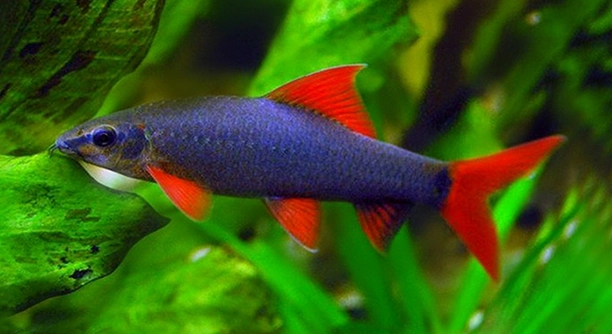
Rainbow sharks are popular freshwater fish known for their vibrant colors and active behavior. Keeping their tank clean is important to ensure they stay healthy and happy. Poor water quality can cause stress and health problems for these fish.
Rainbow sharks show clear signs when water quality is poor, including faded color, sluggish movement, gasping at the surface, clamped fins, loss of appetite, unusual spots or sores, and increased hiding behavior. These symptoms indicate stress caused by harmful water conditions.
Recognizing these signs early can help you take quick action to improve your tank’s environment and protect your fish’s well-being.
Faded Color and Sluggish Movement
When your rainbow shark’s vibrant colors start to dull, it is often a sign of poor water quality. Clean water helps maintain their bright reds, blues, and blacks. If the tank is dirty or has high levels of toxins like ammonia or nitrites, their colors fade quickly. Along with fading color, you may notice your shark moving slower than usual. Healthy rainbow sharks are active swimmers, exploring their environment. Sluggish movement shows stress or illness caused by bad water conditions. It’s important to test the water regularly and do partial water changes to keep the environment safe. Proper filtration also helps keep the water clear and free from harmful substances. Watching these changes early can prevent serious health problems.
Low activity and dull colors are strong indicators that water conditions need immediate attention.
Improving water quality by maintaining proper filtration and doing regular water changes can restore your rainbow shark’s color and energy. Keeping the tank clean reduces stress and supports their natural behavior.
Gasping at the Surface and Clamped Fins
Gasping at the surface means your rainbow shark may not be getting enough oxygen. Poor water quality can reduce oxygen levels, forcing fish to come up for air more often. Clamped fins, where the fins are held close to the body, also show discomfort or stress. These signs should not be ignored.
Oxygen levels drop when water contains waste or harmful chemicals. High ammonia or nitrite levels affect gill function, making it hard for fish to breathe. You might notice bubbles on the water surface or poor water circulation. Increasing aeration with air stones or filters can help improve oxygen supply. Regular water tests will show if toxins are present. Fixing these issues quickly is important to avoid more serious health problems or death.
A clean, well-oxygenated tank encourages natural swimming and fin movement. Consistent care is key to keeping your rainbow shark comfortable and healthy.
Loss of Appetite
A rainbow shark that stops eating or shows less interest in food is often stressed by poor water quality. This can lead to weakness and make it harder for the fish to fight illness. Watch for changes in feeding behavior as an early warning.
When water conditions are poor, toxins like ammonia build up, which affect your fish’s digestion and overall health. This makes them lose their appetite. Additionally, stress from dirty water lowers their immune response, increasing vulnerability to diseases. It’s important to check water parameters regularly and clean the tank to encourage normal eating habits. Feeding a balanced diet in a clean environment supports recovery.
If the water stays poor, loss of appetite can lead to severe weight loss and lethargy. Correcting water quality and offering nutritious food can help your rainbow shark regain strength and appetite over time.
Unusual Spots or Sores
Unusual white spots, redness, or sores on your rainbow shark’s body usually indicate poor water quality or infection. These symptoms are common when bacteria or parasites thrive in dirty water. Immediate action is needed to protect your fish.
Dirty water weakens the fish’s skin and scales, making it easier for harmful bacteria and parasites to attack. These infections cause visible spots or open wounds that can worsen if untreated. Cleaning the tank, improving filtration, and performing water changes reduce these risks. Sometimes, medications might be necessary to treat infections, but preventing them by maintaining good water quality is best.
Ignoring these signs can lead to severe infections or death. Keeping the tank clean, stable, and free from harmful substances helps your rainbow shark heal and stay healthy.
Increased Hiding Behavior
When your rainbow shark starts hiding more than usual, it often means the water quality is stressing them out. Fish feel unsafe or uncomfortable in poor conditions and look for shelter to avoid harm.
This change in behavior can indicate that the environment is not healthy. Pay attention to hiding as a warning sign and check the water immediately.
Clamped Fins
Clamped fins happen when your rainbow shark holds its fins close to its body. This is a clear response to stress caused by bad water quality. It limits their movement and shows discomfort.
Poor water conditions cause irritation and make it hard for the fish to swim properly. Fixing the water quickly helps restore normal fin position and swimming behavior.
Sluggish Swimming
Sluggish swimming means your rainbow shark is not moving with its usual energy. Low water quality affects their health, making them weak and less active.
Surface Gasping
Gasping at the surface shows a lack of oxygen in the tank, often caused by poor water conditions.
FAQ
How often should I test the water in my rainbow shark’s tank?
Testing the water weekly is a good routine to keep track of key parameters like ammonia, nitrite, nitrate, and pH levels. Regular testing helps catch problems early before they harm your fish. If you notice any signs of poor water quality, test immediately to find the issue.
What is the best way to improve poor water quality quickly?
Performing a partial water change of about 25-30% helps remove toxins and refresh the tank. Also, clean or replace the filter media if needed to improve filtration. Adding an air stone or increasing filter flow can boost oxygen levels, making the water healthier for your rainbow shark.
Can poor water quality cause diseases in rainbow sharks?
Yes, poor water quality weakens your fish’s immune system, making them more vulnerable to bacterial, fungal, and parasitic infections. Common symptoms like spots, sores, and fin damage often result from dirty water conditions that allow harmful organisms to grow.
What signs mean my rainbow shark is stressed from bad water?
Signs include faded colors, hiding more often, clamped fins, sluggish swimming, loss of appetite, gasping at the surface, and unusual spots or sores. Spotting these signs early allows you to act quickly to improve the tank environment.
How can I keep my rainbow shark healthy long-term?
Maintaining a stable and clean tank is key. Regular water testing, scheduled water changes, and proper filtration are essential. Feeding a balanced diet and avoiding overstocking also support health. Keeping stress low helps your fish stay vibrant and active.
Is it okay to treat poor water quality with chemicals or additives?
Some water conditioners and detoxifiers can help neutralize harmful substances, but they are not a permanent fix. The best solution is to maintain good tank hygiene through regular cleaning and water changes. Use chemicals carefully and follow instructions to avoid harming your fish.
What causes ammonia or nitrite spikes in the tank?
Ammonia and nitrite spikes often happen when biological filtration is insufficient or the tank is overcrowded. Overfeeding and lack of regular cleaning can also increase waste buildup. Testing water often and proper maintenance prevent these dangerous spikes.
How much water change is safe for my rainbow shark?
Changing 20-30% of the water at once is generally safe and effective. Large sudden changes can stress fish, so it’s best to do moderate, regular water changes rather than infrequent large ones. Always use dechlorinated water at the same temperature as the tank.
Can poor water quality affect my rainbow shark’s lifespan?
Yes, consistently poor water conditions shorten the lifespan by causing chronic stress, illness, and weakened immunity. Healthy, clean water supports a longer, happier life for your fish.
What should I do if my rainbow shark is showing multiple signs of distress?
Test the water immediately and perform a partial water change. Check the filtration system and clean it if needed. Isolate any sick fish to prevent spreading illness. If problems continue, consider consulting a fish health specialist or veterinarian.
Final Thoughts
Maintaining good water quality is essential for the health and happiness of your rainbow shark. Poor water conditions cause many problems, from faded colors to serious illnesses. Paying attention to signs like sluggish swimming, clamped fins, or gasping at the surface can help you catch water issues early. When you spot these signs, testing the water and making changes quickly can prevent bigger problems. Regular tank cleaning and water changes are simple but powerful ways to keep your fish’s environment safe and comfortable.
It is important to create a stable, clean habitat for your rainbow shark. A well-filtered tank with balanced water parameters supports their natural behavior and bright colors. Avoid overcrowding and overfeeding, which increase waste and pollute the water faster. Feeding your fish a proper diet also helps them stay strong and resist disease. Remember, even small steps like adding an air stone or adjusting water temperature can make a big difference in water quality and fish health.
Taking care of your rainbow shark means being consistent and observant. Regular testing, cleaning, and careful monitoring are necessary parts of responsible fishkeeping. While it may feel like extra work, maintaining good water quality protects your fish’s well-being and helps them thrive. Over time, you’ll get better at recognizing signs of stress and know how to respond. Your effort will result in a lively, colorful fish that brings enjoyment and beauty to your tank for many years.

Hello,
If you enjoy the content that we create, please consider saying a "Thank You!" by leaving a tip.
Every little bit helps us continue crafting quality advice that supports the health, happiness, and well-being of pets around the world, for pets of all shapes, sizes, and species.
We really appreciate the kindness and support that you show us!