
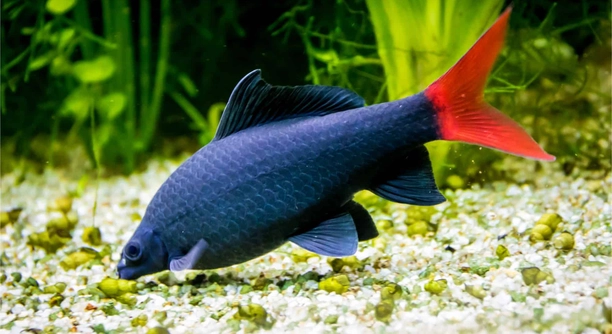
Rainbow sharks are popular aquarium fish known for their vibrant colors and active swimming. While generally peaceful, they can sometimes show signs of aggression. Recognizing these signs early helps maintain harmony in your tank and ensures the well-being of all fish.
Signs of aggression in rainbow sharks include chasing other fish, flaring fins, sudden rapid movements, biting, hiding spots being guarded, damaged fins, and frequent territorial displays. These behaviors indicate stress or dominance conflicts within the aquarium environment.
Identifying these behaviors allows you to manage tank conditions and prevent harm among your aquatic pets. Understanding your rainbow shark’s mood is key to a balanced and peaceful aquarium.
Common Signs of Aggression in Rainbow Sharks
Rainbow sharks often show aggression by chasing other fish around the tank. They may flare their fins to look bigger and intimidate others. Rapid darting movements and biting are also common behaviors that signal agitation. You might notice your shark guarding certain spots, especially near decorations or hiding places, to establish territory. Damaged fins on tank mates often result from these aggressive encounters. These signs mean your fish is feeling stressed or threatened. Recognizing them early can help you act before problems escalate. Aggression can disrupt the peaceful balance in your aquarium and cause injury. Keeping an eye on your rainbow shark’s behavior helps maintain a healthy tank environment.
Aggressive behavior may worsen if the tank is overcrowded or lacks enough hiding places.
Adjusting tank conditions, such as adding decorations or rearranging plants, can reduce territorial fights. Removing overly aggressive individuals may be necessary. Providing sufficient space and resources helps lower stress. Monitoring water quality and feeding routines also contributes to calmer behavior. A stable, well-maintained tank supports the natural temperament of your rainbow shark, promoting peaceful coexistence with other fish.
How Tank Size Affects Aggression
A small tank can increase aggression in rainbow sharks. Limited space forces them to compete for territory and resources. Crowded conditions often lead to frequent chasing and fighting, which stresses all fish involved.
Providing a tank that is at least 30 gallons helps reduce aggressive behavior. Rainbow sharks need room to swim freely and establish their own territories without constant confrontation. When space is tight, they become more territorial and defensive. Larger tanks allow for better separation between individuals, which lowers tension. In addition, adding plenty of plants and decorations creates natural barriers, further reducing conflict. It’s important to balance tank size with the number of fish to promote a calm environment. This way, your rainbow shark can thrive without unnecessary stress.
If you notice aggression in a smaller tank, upgrading to a larger one may be the best solution. It supports healthier behavior and improves the overall tank dynamic.
Feeding and Aggression
Feeding schedules and diet play a role in rainbow shark aggression. Uneven feeding or competition for food can trigger fights and chasing.
Ensuring that food is distributed evenly throughout the tank reduces aggressive encounters. Rainbow sharks may become aggressive if they feel food is scarce or if other fish eat more quickly. Providing a varied diet with sinking pellets and occasional treats like bloodworms keeps them satisfied and less likely to compete aggressively. Feeding at consistent times helps establish routine, lowering stress during mealtime. Overfeeding should be avoided to maintain water quality and prevent health issues. Balancing feeding habits contributes to calmer behavior, supporting a peaceful aquarium environment for all inhabitants.
Tank Decorations and Aggression
Decorations can help reduce aggression by providing hiding spots and visual barriers. Rainbow sharks feel safer with places to retreat and claim as territory. Without enough cover, they may become more territorial and defensive.
Adding plants, rocks, or driftwood breaks the line of sight between fish. This reduces direct confrontations and stress. Natural barriers create separate zones where fish can coexist peacefully. Regularly rearranging decorations can also prevent sharks from becoming overly attached to one area, which may limit territorial disputes. Thoughtful decoration helps balance aggression and supports a calm tank environment.
Recognizing Stress-Related Aggression
Stress in rainbow sharks often leads to aggressive behavior. Poor water quality, sudden changes, or overcrowding increase tension and cause fighting. Monitoring tank conditions closely helps keep aggression in check.
Separating Aggressive Fish
Separating overly aggressive rainbow sharks from the main tank is sometimes necessary. Using a divider or quarantine tank prevents injuries and calms the community.
Maintaining Water Quality
Good water quality is essential for peaceful behavior. Regular testing and cleaning prevent stress-related aggression.
What causes aggression in rainbow sharks?
Aggression in rainbow sharks is usually caused by territorial behavior. These fish naturally claim specific areas in the tank and defend them from other fish. Overcrowding, lack of hiding spots, and competition for food can also increase aggressive actions. Stress from poor water quality or sudden changes may worsen aggression.
How can I tell if my rainbow shark is aggressive?
Common signs include chasing other fish, flaring fins, biting, and guarding certain spots in the tank. You may notice rapid darting or damaged fins on tank mates. If your shark repeatedly attacks or corners other fish, it is showing aggression.
Is tank size important for reducing aggression?
Yes, tank size plays a key role. A tank that is too small forces rainbow sharks into close contact, increasing territorial fights. A minimum of 30 gallons is recommended, with more space needed for multiple fish or community tanks. Larger tanks help reduce conflict by giving each fish enough room.
Can tank decorations reduce aggression?
Decorations provide hiding places and visual barriers, which help reduce aggressive behavior. Plants, rocks, and driftwood break up the tank visually and physically, giving fish places to retreat and establish separate territories. This lowers tension and prevents constant chasing.
Does feeding affect aggression?
Feeding can impact aggression, especially if food is limited or unevenly distributed. Rainbow sharks may fight over food if they feel it is scarce. Feeding sinking pellets evenly around the tank and offering a varied diet helps keep them satisfied and less competitive.
What should I do if aggression becomes severe?
If aggression leads to injury or constant stress, consider separating the aggressive fish. Using a tank divider or moving the fish to a quarantine tank can protect others. Adjusting tank size, decorations, and feeding routines also helps. In some cases, removing the most aggressive individual may be necessary for tank harmony.
How does water quality affect aggression?
Poor water quality stresses fish and often triggers aggressive behavior. Ammonia, nitrite, and nitrate levels should be kept within safe limits through regular testing and maintenance. Clean water supports calm behavior and overall fish health.
Can rainbow sharks live peacefully with other fish?
Yes, with proper tank setup and care, rainbow sharks can coexist with many community fish. They do best with peaceful species that do not compete for the same territory. Providing enough space and hiding spots reduces aggression and helps maintain peace.
How often should I monitor my tank for signs of aggression?
Observing your fish daily helps catch early signs of aggression before problems grow. Watch for chasing, fin damage, or unusual hiding. Early intervention can prevent injuries and maintain a balanced aquarium environment.
Are there behavioral changes when rainbow sharks are stressed?
Yes, stressed rainbow sharks often become more aggressive and territorial. They may hide excessively or act restless. Stress signs also include loss of appetite and duller coloration. Maintaining stable tank conditions reduces stress and helps keep aggression low.
Final Thoughts
Understanding the behavior of your rainbow shark is essential to keeping a peaceful aquarium. Aggression can happen for many reasons, including tank size, environment, and stress levels. Watching your fish carefully will help you notice signs of aggression early. This allows you to make changes before problems get worse. Taking steps like providing enough space, adding decorations, and maintaining good water quality will support a calmer fish. These efforts make the tank more comfortable for all its inhabitants.
It is important to remember that some level of territorial behavior is natural for rainbow sharks. They use chasing and fin flaring to establish their place in the tank. However, aggression that causes injury or stress to other fish needs to be managed. Small adjustments in feeding routines or tank setup can often reduce these behaviors. If problems persist, separating aggressive fish or increasing tank size may be necessary. The goal is to create an environment where your rainbow shark can live without constant conflict.
Caring for rainbow sharks requires attention and patience. Each tank and fish is different, so what works in one situation may not work in another. Regular observation and maintenance are key to preventing aggression. A well-planned tank with enough room and hiding places encourages peaceful coexistence. When aggression is kept under control, your rainbow shark will show its natural beauty and active personality. This leads to a healthier, more enjoyable aquarium for you and your fish.

Hello,
If you enjoy the content that we create, please consider saying a "Thank You!" by leaving a tip.
Every little bit helps us continue crafting quality advice that supports the health, happiness, and well-being of pets around the world, for pets of all shapes, sizes, and species.
We really appreciate the kindness and support that you show us!